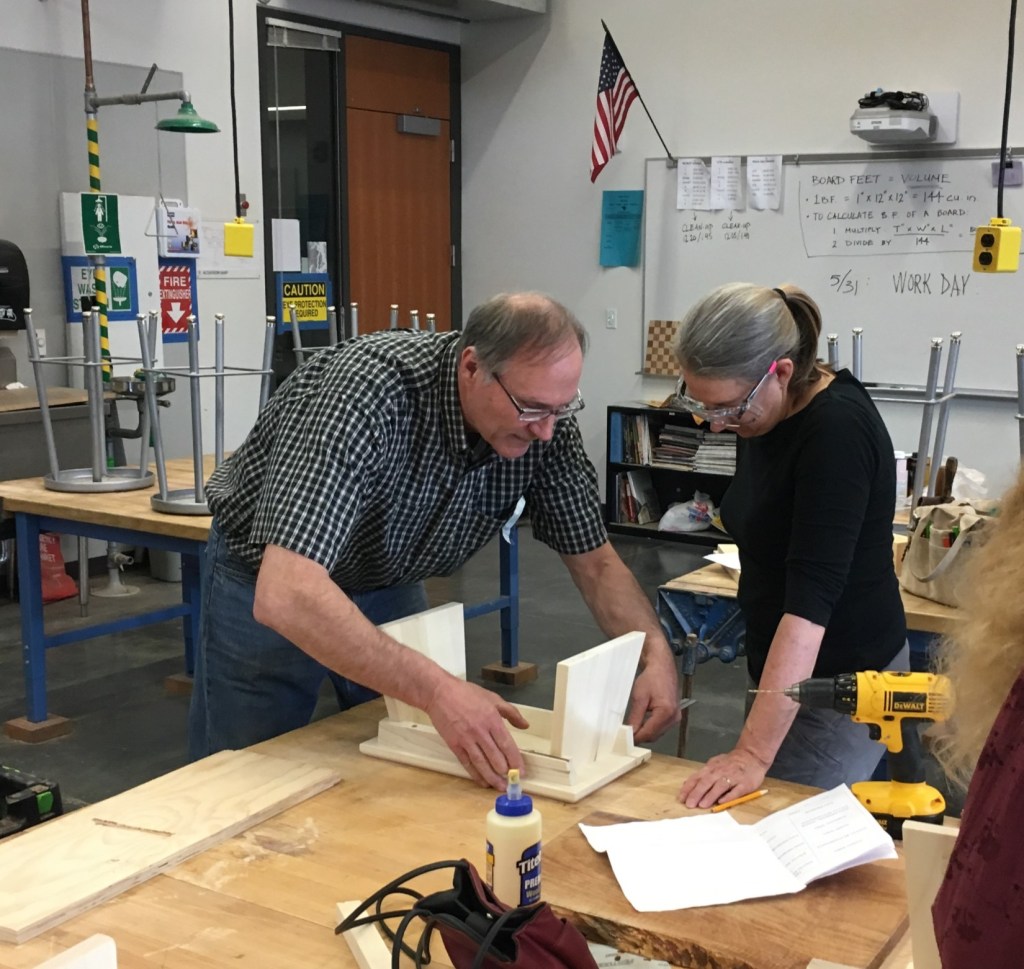
Woodworking: A Hands-On Approach to Alternative Education
In the realm of alternative schooling and education, there are various unconventional methods that can foster creativity and critical thinking in learners. One such approach is woodworking, which offers a unique blend of practical skills, problem-solving abilities, and artistic expression. Through woodworking, individuals can develop a range of valuable traits while also gaining a deeper appreciation for craftsmanship.
At its core, woodworking involves manipulating wood to create functional or decorative objects. This hands-on approach engages students in the learning process by encouraging them to actively participate in every step of the project. From selecting the type of wood to designing and constructing their own pieces, students have complete control over their creations.
One major benefit of incorporating woodworking into alternative education is its ability to teach patience and persistence. Woodworking projects often require time-consuming steps like measuring precisely, cutting accurately, sanding meticulously, and assembling carefully. These tasks demand focus and attention to detail from students as they work towards achieving a high-quality final product. Along the way, learners learn how perseverance can turn initial setbacks into successful outcomes.
Moreover, woodworking nurtures problem-solving skills as students encounter challenges throughout their projects. Whether it’s figuring out how different pieces fit together or troubleshooting unexpected issues that arise during construction, learners must think critically and creatively to find solutions. This aspect helps develop resilience and adaptability—traits essential not only in crafting but also in life beyond the workshop.
Furthermore, woodworking provides an outlet for self-expression through design choices. Students are encouraged to explore their creativity by envisioning unique shapes or patterns for their creations. By allowing freedom within certain parameters—aspects like safety measures—their imagination can flourish while still adhering to necessary guidelines.
Additionally, working with wood promotes environmental awareness among students as they gain an understanding of sustainability practices related to sourcing materials responsibly or repurposing reclaimed lumber instead of relying solely on newly harvested timber. This knowledge instills values centered around conservation and respect for nature, extending beyond the workshop into everyday life.
Woodworking also fosters a sense of accomplishment. Witnessing their ideas come to life through their own craftsmanship instills confidence in students. Completing woodworking projects not only provides tangible evidence of progress but also enhances self-esteem, promoting a growth mindset that can be applied to other areas of learning as well.
Furthermore, engaging in woodworking activities cultivates teamwork and collaboration. Students often work together on larger projects or seek advice from peers when facing challenges. This collaborative aspect strengthens communication skills and encourages the exchange of ideas, fostering an environment where learners can learn from one another.
In conclusion, woodworking offers countless benefits for alternative education systems. Through hands-on experiences with woodcraft, students develop patience, problem-solving abilities, creativity, environmental consciousness, self-confidence, and teamwork skills—qualities that extend far beyond the realm of crafting itself. By incorporating woodworking into alternative schooling approaches, educators provide learners with a unique opportunity to expand their horizons while nurturing essential life skills.
 Alternative Amie
Leave a comment