Social Constructivism Theory: Understanding the Power of Collaborative Learning
In the realm of education, there are various theories and approaches that shape how we understand learning and teaching. One prominent theory is social constructivism, which suggests that knowledge is not simply acquired by individuals but co-constructed through social interactions and experiences. This theory has significantly influenced alternative schooling and education, emphasizing collaboration, active participation, and engagement.
At its core, social constructivism posits that individuals actively engage with their environment to create meaning and understanding. This means that learning occurs through interaction with others rather than being solely transmitted from teacher to student. According to this perspective, students learn best when they are encouraged to explore ideas collectively, participate in discussions, solve problems collaboratively, and reflect on their experiences.
In a traditional classroom setting rooted in behaviorism or cognitivism theories, the teacher is seen as the sole authority figure who imparts knowledge to passive learners. However, in a social constructivist approach within alternative schooling settings like Montessori or democratic schools, teachers adopt a facilitator role where they guide students’ inquiry-based exploration without imposing rigid curricula.
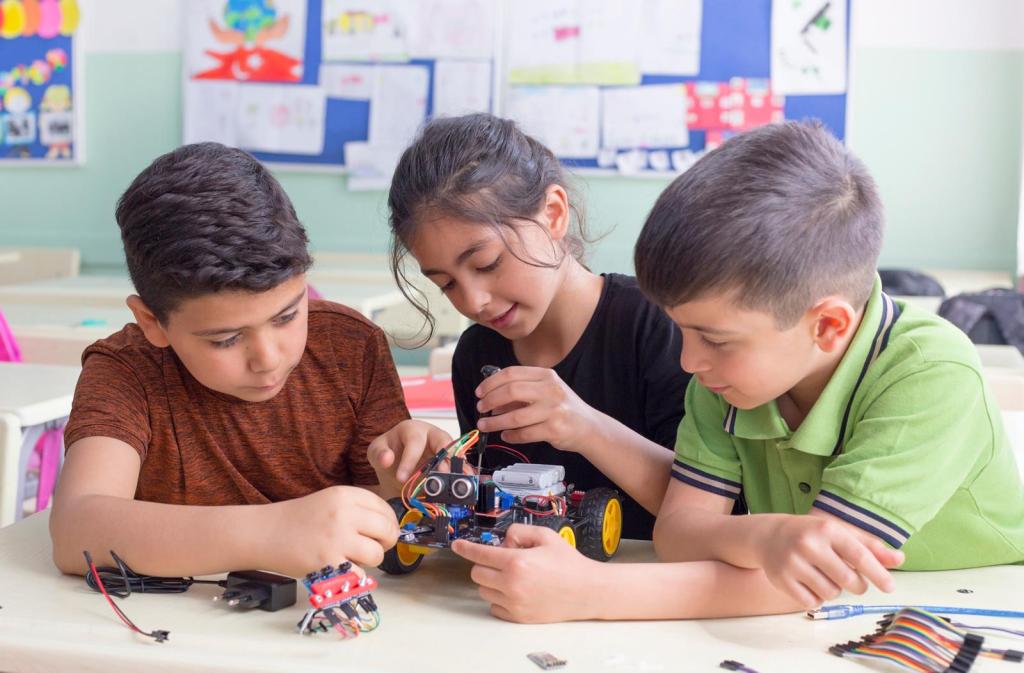
Collaboration plays a vital role in social constructivism as it allows learners to contribute diverse perspectives while constructing shared meanings. Through group projects or cooperative learning activities, students develop essential skills such as communication abilities, critical thinking techniques, problem-solving strategies, negotiation tactics,and empathy towards others’ viewpoints.
Another fundamental aspect of social constructivism is the concept of scaffolding – providing support structures for learners at different stages of development. Educators must identify what each student already knows (prior knowledge) and build upon it by offering appropriate challenges tailored to their individual needs. By doing so,growth can occur incrementally as students gradually expand their understanding through continuous interaction with more knowledgeable peers or mentors.
Technology has also played an influential role in enhancing collaborative learning within alternative educational environments based on social constructivism. Virtual classrooms, online discussion forums, and collaborative document editing platforms enable students to engage with peers beyond the traditional classroom boundaries. This digital connectivity fosters a sense of belonging to a broader learning community and provides opportunities for diverse perspectives.
While social constructivism theory has its strengths, it also presents challenges. Assessment methods need to align with this approach, focusing on formative feedback rather than relying solely on standardized tests. Additionally, educators must recognize that not all knowledge can be co-constructed and some foundational concepts may require direct instruction.
In conclusion, social constructivism theory has revolutionized alternative schooling and education by prioritizing collaboration and active participation in the learning process. By engaging in meaningful interactions with others and building upon prior knowledge through scaffolding techniques, students develop critical skills necessary for success in an ever-changing world. As we continue to explore innovative approaches in education, understanding the power of social constructivism is essential for creating inclusive environments that foster deep learning experiences.
 Alternative Amie
Leave a comment