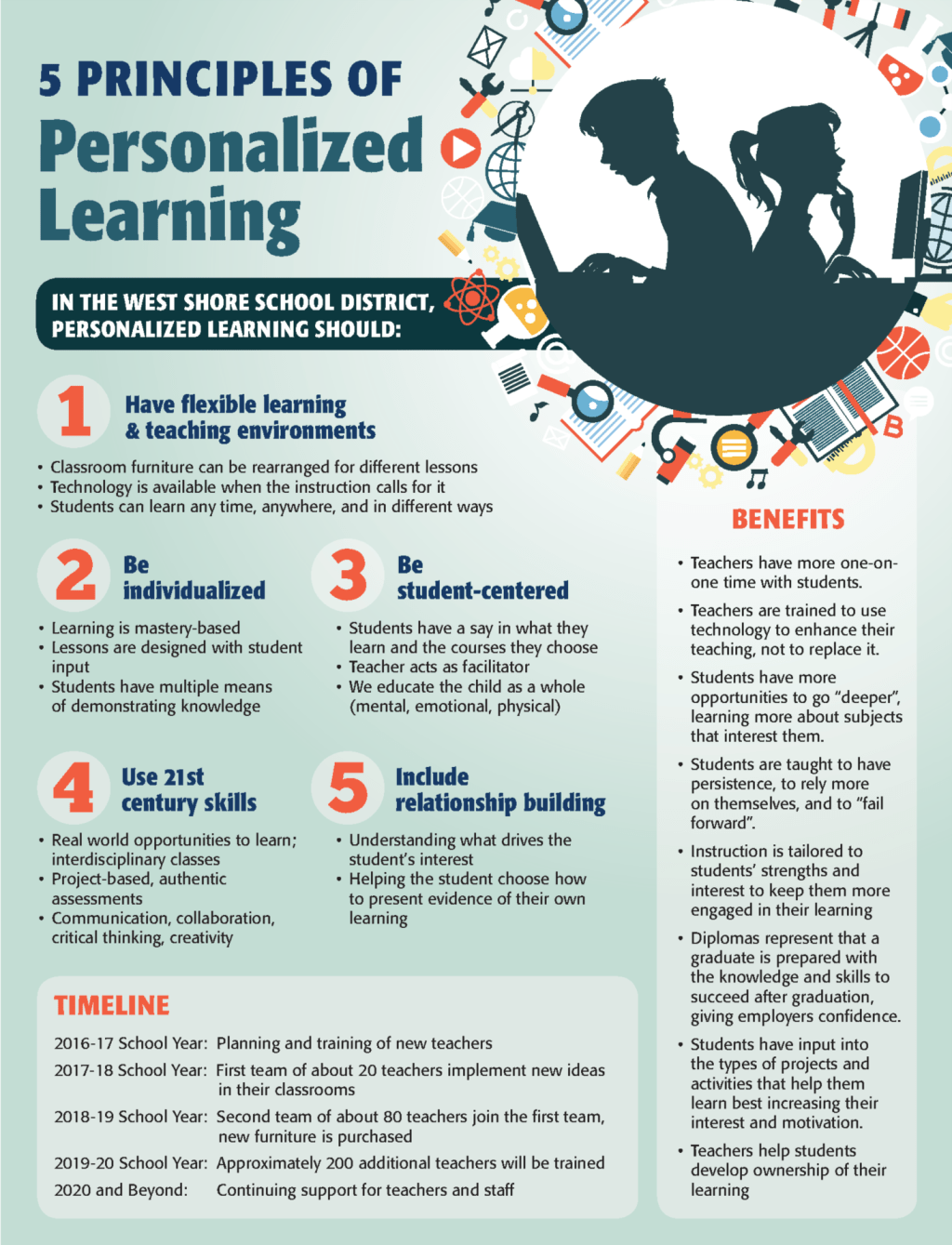
Personalized Learning Plans: Empowering Students to Thrive
Education is not a one-size-fits-all approach. Every student has unique strengths, weaknesses, and learning styles that should be considered when designing their educational journey. This realization has led to the rise of personalized learning plans, which aim to tailor education to individual needs and empower students to thrive academically.
What are Personalized Learning Plans?
Personalized learning plans (PLPs) are customized roadmaps for students that outline their academic goals, interests, and learning preferences. These plans take into account each student’s background knowledge, skills, and abilities and provide a framework for guiding their educational experiences.
Unlike traditional classroom settings where teachers follow a standardized curriculum with little room for flexibility, PLPs offer greater autonomy for both students and educators. By acknowledging the diverse needs of learners and allowing them to drive their own learning experiences, PLPs foster engagement, motivation, and success.
Components of Personalized Learning Plans
1. Goal Setting: At the core of any effective PLP is goal setting. Students work in collaboration with teachers or mentors to identify short-term and long-term objectives they want to achieve within a specific timeframe. These goals can encompass academic achievements as well as personal growth areas such as leadership development or creative pursuits.
2. Individual Learning Paths: Personalization means recognizing that no two individuals learn at the same pace or in the same way. PLPs allow students to chart their own path through the curriculum based on their existing knowledge levels and preferred learning methods. They may have access to various resources – textbooks, online courses, videos – enabling them to explore topics at different depths according to their interest and ability.
3. Flexible Timelines: Another key feature of personalized learning plans is flexibility in timelines. While traditional classrooms adhere strictly to predetermined schedules set by schools or districts, PLPs adapt instructional timeframes based on individual progress rates. This allows students who need extra time or those who grasp concepts quickly to learn at their own pace, reducing the risk of boredom or frustration.
4. Varied Assessment Methods: Traditional education tends to rely heavily on standardized tests as the primary means of evaluating student performance. PLPs emphasize diversified assessment methods, including portfolios, projects, presentations, and demonstrations. By assessing students’ knowledge and skills through various lenses, educators gain a more comprehensive understanding of individual achievements and growth.
Benefits of Personalized Learning Plans
1. Individualization: Personalized learning plans acknowledge that every student is unique with different strengths and weaknesses. By tailoring educational experiences to match each student’s needs, PLPs increase engagement and motivation levels while fostering a love for learning.
2. Flexibility: PLPs offer flexibility in terms of pacing and scheduling, enabling students to take ownership of their learning journey. This flexibility empowers them to explore topics deeply or spend additional time on challenging subjects without feeling rushed or left behind.
3. Mastery-Based Learning: In traditional classrooms, students often move forward regardless of whether they have fully grasped foundational concepts. With PLPs, learners can focus on mastering content before progressing further within a subject area. This mastery-based approach ensures a solid foundation for future learning endeavors.
4. Increased Autonomy: Personalized learning plans encourage students to become active participants in their education rather than passive recipients of information from teachers. They develop crucial skills such as self-regulation, critical thinking, problem-solving abilities, and decision-making capabilities – all essential for success beyond the classroom.
5. Enhanced Collaboration: While personalized learning allows for individual exploration and progress tracking, it does not exclude collaboration opportunities among peers or with teachers/mentors. Group projects or discussions can be incorporated into PLPs to foster teamwork skills alongside independent study habits.
Challenges in Implementing Personalized Learning Plans
Implementing personalized learning plans comes with its fair share of challenges:
1. Resource Allocation: Creating an effective PLP requires adequate resources, including technology, materials, and training for educators. Schools must ensure they have the necessary infrastructure to support personalized learning initiatives.
2. Teacher Training: Educators play a crucial role in facilitating personalized learning plans. They need to be well-versed in designing curriculum frameworks that cater to individual student needs while maintaining academic standards. Ongoing professional development is essential to equip teachers with the skills required for effective implementation.
3. Assessment and Accountability: Personalized learning plans require alternative methods of assessment that capture students’ progress accurately without relying solely on standardized tests. Developing comprehensive assessment strategies can pose challenges in terms of consistency and comparability.
4. Equity and Accessibility: While PLPs aim to provide an equitable education experience for all students, ensuring access to technology and resources can be a barrier for disadvantaged communities or schools operating under budget constraints.
Conclusion
Personalized learning plans are transforming education by tailoring instruction to individual student needs, interests, and abilities. By shifting from a one-size-fits-all approach to personalized experiences, PLPs empower students to take ownership of their education while fostering critical thinking skills necessary for success in today’s rapidly evolving world.
While challenges exist in implementing these plans successfully, the benefits outweigh the obstacles as students become active participants in their educational journey rather than passive spectators. As we continue exploring innovative approaches to education, personalized learning plans remain at the forefront of shaping future generations’ educational experiences positively.
 Alternative Amie
Leave a comment