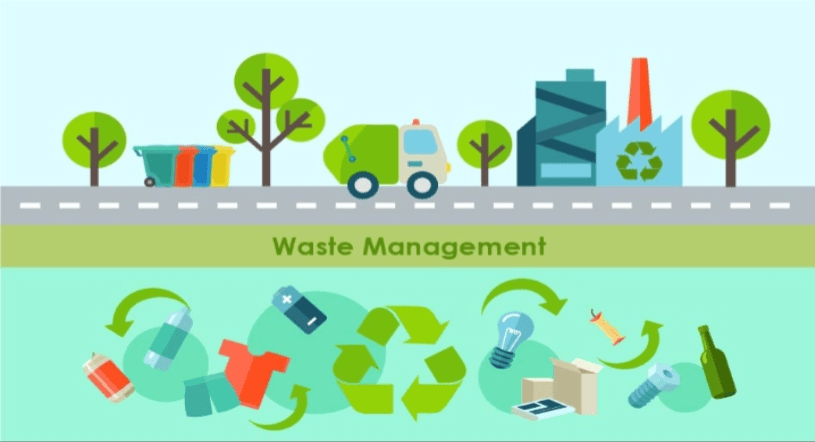
Waste Management and Recycling Initiatives: A DIY Guide to Sustainability
In today’s world, waste management and recycling have become increasingly important. With growing concerns about climate change and the impact of human activities on the environment, it is crucial for us to take responsibility for our waste and find sustainable solutions. In this DIY guide, we will explore some easy-to-implement initiatives that can make a significant difference.
1. Reduce Your Waste:
The first step towards effective waste management is reducing the amount of waste we produce. Start by refusing single-use items such as plastic bags, straws, and water bottles. Instead, opt for reusable alternatives like cloth bags, stainless steel straws, and refillable water bottles.
2. Practice Proper Recycling:
While recycling may seem straightforward, many people are unaware of what can or cannot be recycled in their area. Research your local recycling guidelines to ensure you’re properly sorting your recyclables into designated bins. Remember to rinse out containers before recycling them to avoid contamination.
3. Composting Made Easy:
Composting is an excellent way to divert organic waste from landfills while creating nutrient-rich soil for gardening purposes. Set up a compost bin in your backyard or an indoor worm composting system if space is limited. Include fruit scraps, vegetable peelings, coffee grounds, tea leaves/bags, grass clippings, and shredded paper in your compost pile.
4. Upcycle and Repurpose:
Before throwing something away, consider if it could be repurposed or upcycled instead! Old jars can become storage containers; cardboard boxes can turn into organizers; worn-out clothes can transform into cleaning rags or even fashionable accessories with a little creativity!
5. Educate Yourself and Others:
Stay informed about new developments in waste management practices by reading books or following reputable websites focused on sustainability topics like Zero Waste Home by Bea Johnson or Trash Is for Tossers by Lauren Singer. Share your knowledge with friends, family, and community members to inspire them to take action too.
6. Support Local Recycling Initiatives:
Research local recycling centers or organizations in your area that promote sustainable waste management practices. Some places offer drop-off points for hard-to-recycle items like electronics, batteries, and light bulbs. By supporting these initiatives, you can ensure responsible disposal of such materials.
7. Participate in Community Cleanups:
Joining or organizing community cleanups is a fantastic way to make a tangible impact on waste reduction. Gather a group of like-minded individuals and dedicate a few hours to cleaning up parks, beaches, or other public spaces in your neighborhood.
By implementing these DIY initiatives into our daily lives, we can contribute significantly to waste reduction efforts and create a more sustainable future for ourselves and generations to come. Remember that every small step counts; even the smallest change has the potential for great impact when multiplied by millions!
 Alternative Amie
Leave a comment