Scaffolding and Support in Project-Based Learning: A Comprehensive Guide
Introduction:
Project-based learning (PBL) is an innovative approach to education that focuses on real-world problem-solving, critical thinking, collaboration, and creativity. It allows students to dive deep into a particular subject or topic by engaging in hands-on projects that require them to apply knowledge and skills acquired through various academic disciplines. However, for PBL to be successful, scaffolding and support play crucial roles in guiding students throughout their learning journey. In this post, we will explore the importance of scaffolding in project-based learning and provide practical strategies for educators to implement.
Understanding Scaffolding:
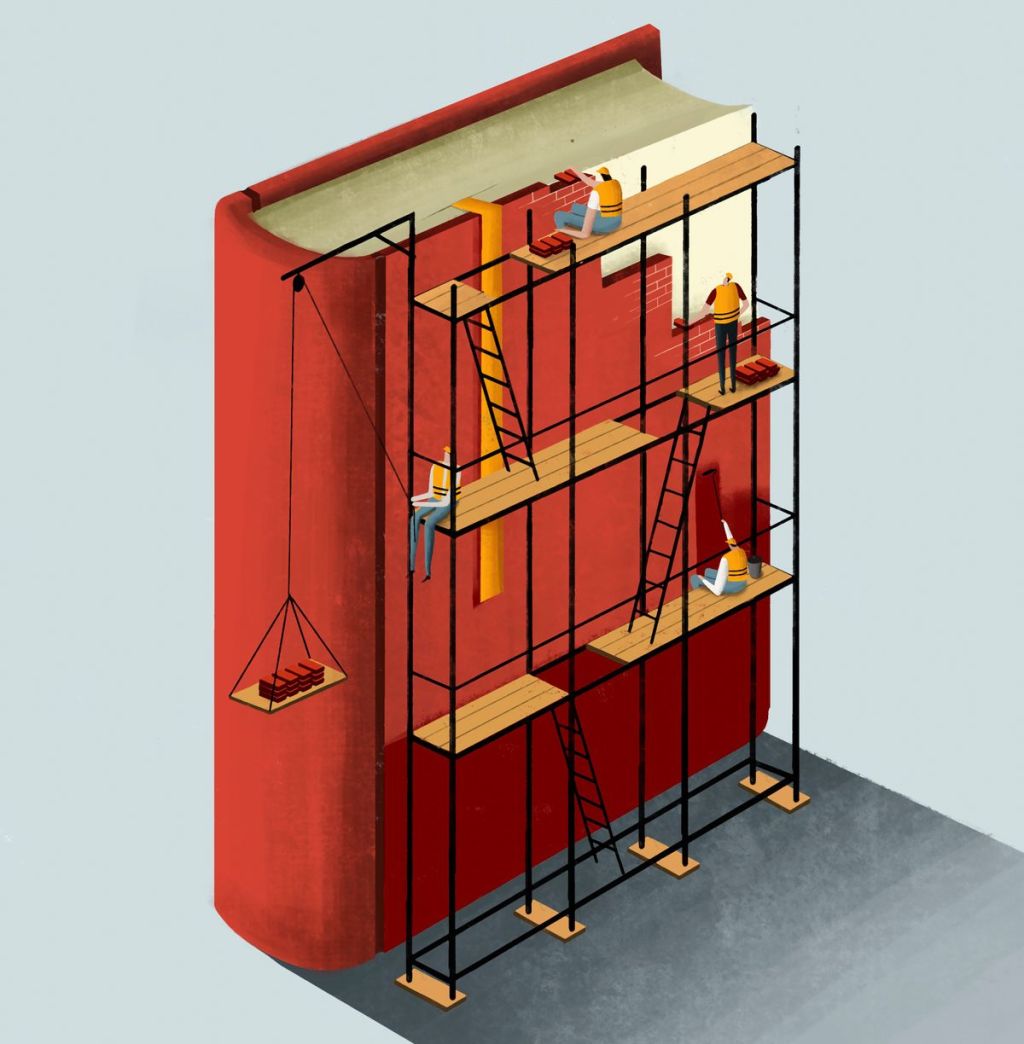
Scaffolding refers to the support provided by teachers or peers that helps learners move from their current level of understanding to a higher level of comprehension. Just as physical scaffolds assist workers during construction projects temporarily, educational scaffolds support students until they become independent learners capable of completing complex tasks on their own.
The Role of Scaffolding in Project-Based Learning:
1. Building Prior Knowledge:
Before embarking on any project, it is essential for educators to assess students’ prior knowledge related to the topic at hand. This assessment helps determine the appropriate level of scaffolding required throughout the project. By building upon what students already know, educators can create connections between new information and existing knowledge.
2. Setting Clear Objectives:
Clearly defining project objectives ensures that both teachers and learners have a shared understanding of what needs to be achieved. Students should have a clear vision of what successful completion looks like before starting their projects.
3. Breaking Down Complex Tasks:
Breaking down complex tasks into smaller, manageable steps is another essential aspect of effective scaffolding in PBL. This process helps prevent overwhelming students with too much information at once while allowing them to focus on specific aspects one step at a time.
4. Providing Models:
Modeling plays a crucial role in facilitating student understanding during project-based learning. By demonstrating how to approach different tasks or problems, educators show students what successful solutions look like. Models can be in the form of completed projects, examples of high-quality work, or step-by-step demonstrations.
5. Offering Guided Practice:
Guided practice involves providing structured opportunities for students to apply new knowledge and skills with support from the teacher or peers. This stage allows learners to gain confidence and develop a deeper understanding of the project’s objectives through hands-on experiences.
6. Encouraging Collaboration:
Collaboration is a key component of PBL as it enhances critical thinking, communication, and teamwork skills. Scaffolding collaboration involves providing guidelines on effective group dynamics, facilitating discussions, and offering mediation when conflicts arise.
7. Feedback and Reflection:
Regular feedback is essential throughout the project-based learning process. It helps students understand their progress while identifying areas for improvement. Additionally, encouraging reflection allows learners to think critically about their own work, identify strengths and weaknesses, and set goals for personal growth.
Strategies for Effective Scaffolding:
1. Differentiated Instruction:
Recognizing that each student has unique strengths and challenges is crucial in scaffolding effectively within project-based learning environments. Implementing differentiated instruction allows teachers to tailor their support based on individual needs by providing varied resources, materials, or alternative assignments.
2. Cooperative Learning Structures:
Implementing cooperative learning structures ensures that all members of a group contribute actively while supporting one another’s learning processes. Strategies such as Think-Pair-Share or Jigsaw activities encourage active participation and foster peer-to-peer scaffolding during projects.
3. Graphic Organizers:
Graphic organizers are visual tools that help students organize information systematically during project-based learning activities. These tools allow learners to map out ideas visually before delving into more complex tasks independently.
4.Adaptive Technology Tools:
Leveraging adaptive technology tools can provide additional scaffolds for students who require extra support due to specific learning needs or disabilities. These tools can offer personalized instruction, visual aids, and interactive elements tailored to individual learning styles.
5. Peer Support:
Peer support is a valuable scaffolding strategy that allows students to learn from one another’s strengths and perspectives. Pairing students with different skill sets or assigning peer mentors fosters a supportive learning environment where individuals can seek guidance and assistance when needed.
6. Gradual Release of Responsibility:
Gradually releasing responsibility empowers students to become independent learners over time. Initially, teachers provide more explicit scaffolding, which is then gradually reduced as students gain confidence and competence in completing tasks autonomously.
Conclusion:
Scaffolding plays a vital role in project-based learning by providing the necessary support for students to succeed in complex projects while developing critical thinking skills. By employing various strategies such as building prior knowledge, breaking down complex tasks, offering models, promoting collaboration, and providing feedback, educators can effectively scaffold their students’ learning journeys. With appropriate scaffolding techniques tailored to individual needs and project requirements, educators can ensure that all learners thrive in project-based learning environments.
 Alternative Amie
Leave a comment