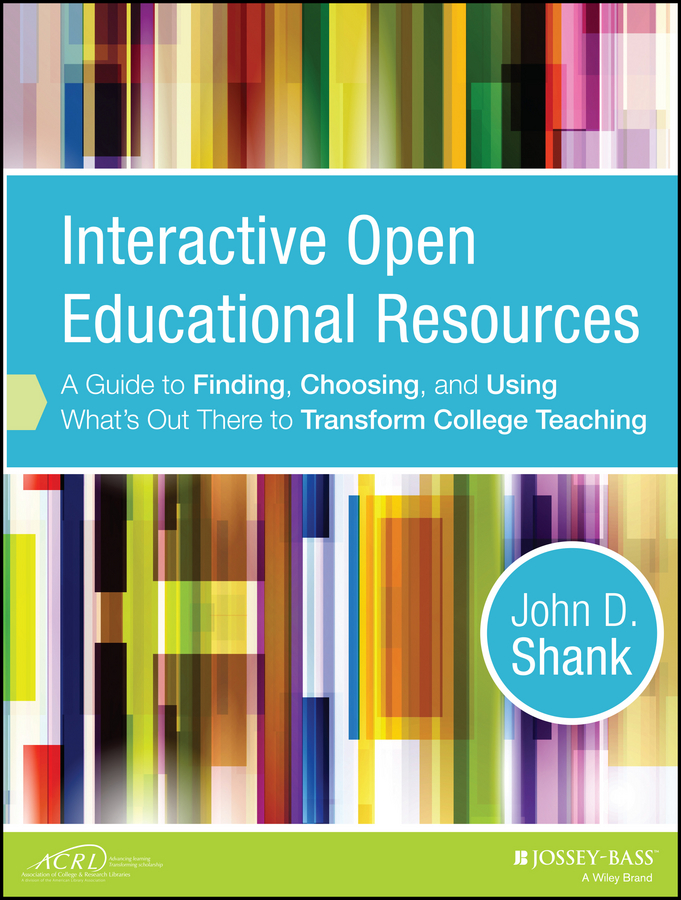
Open Educational Resources for Career and Vocational Training: Unlocking Opportunities for Lifelong Learning
Introduction
In today’s fast-paced world, continuous learning has become the cornerstone of personal and professional development. As traditional educational models evolve, alternative approaches like open educational resources (OER) have gained prominence. OER refers to freely accessible digital materials that can be used, reused, and adapted by educators and learners around the globe. While initially popular in academic settings, OER is now making significant strides in career and vocational training. In this article, we will explore how open educational resources are revolutionizing access to quality education for individuals seeking to enhance their skills or embark on a new career path.
The Power of Open Educational Resources
Open educational resources offer numerous advantages over traditional learning materials. First and foremost is their affordability – or rather, lack thereof! Unlike expensive textbooks or proprietary e-learning platforms, OER is free of cost. This eliminates financial barriers that often prevent individuals from accessing high-quality training programs.
Moreover, OER promotes flexibility in learning. Learners can access these resources at any time from anywhere with an internet connection – whether it be through online modules, videos, simulations or interactive exercises. This accessibility allows learners to tailor their learning experience according to their unique needs without being constrained by geographical boundaries or rigid schedules.
Additionally, OER encourages collaboration and knowledge sharing among learners worldwide. By leveraging social media platforms and online communities dedicated to specific industries or skills, individuals can connect with peers who have similar goals or interests. This collaborative approach fosters a supportive environment where learners can exchange insights and experiences as they progress on their chosen career paths.
Applications in Career Training
1. Skill Development: Open educational resources provide an extensive range of skill-building opportunities across various industries such as information technology (IT), healthcare, business management etc. Learners can access well-structured courses covering foundational concepts up to advanced techniques specific to different job roles within a particular field. For instance, aspiring software developers can find OER modules on programming languages like Python or JavaScript, enabling them to acquire in-demand skills without enrolling in expensive coding bootcamps.
2. Professional Certifications: Many industries require specific certifications as a prerequisite for employment or career advancement. Open educational resources have played a significant role in democratizing access to certification preparation materials. Learners seeking certifications in fields such as project management (PMP), human resources (PHR/SPHR), or cybersecurity (CISSP) can find comprehensive study guides and practice exams developed by subject matter experts – all available at no cost.
3. Entrepreneurship and Small Business Development: Starting one’s own business is an increasingly popular choice for individuals looking to take control of their careers. OER has become a valuable resource for budding entrepreneurs by offering guidance on topics such as business planning, marketing strategies, financial management, and legal compliance. These resources empower individuals with the knowledge required to navigate the complex landscape of entrepreneurship successfully.
4. Soft Skills Enhancement: Beyond technical expertise, soft skills are vital in today’s job market. Open educational resources cater to this need by providing modules focused on communication skills, teamwork, leadership development, time management and more. Employers often value these skills just as much as technical prowess when evaluating potential candidates; hence individuals seeking career growth can leverage OER to enhance their employability across various industries.
Challenges Faced
While open educational resources offer numerous benefits for career and vocational training, they are not without their challenges:
1. Quality Control: With the vast amount of free content available online, ensuring the accuracy and reliability of OER can be challenging for learners searching for credible sources of information.
2. Lack of Structure: Unlike traditional learning environments where courses follow predefined syllabi and assessments, OER lacks standardization across platforms which may leave learners feeling overwhelmed or unsure about what path to follow.
3. Technological Barriers: Access to OER requires a reliable internet connection and basic digital literacy skills. Without these resources, individuals in underserved communities or with limited access to technology may struggle to benefit from OER.
Conclusion
Open educational resources have emerged as a game-changer in career and vocational training, opening up new possibilities for lifelong learning. By providing free and accessible materials across various industries, OER helps individuals acquire the knowledge and skills necessary for personal growth and professional success. While challenges exist, the potential of open educational resources cannot be understated. As we continue on the path toward more inclusive education systems, embracing OER will undoubtedly unlock opportunities for all learners regardless of their backgrounds or financial circumstances.
 Alternative Amie
Leave a comment