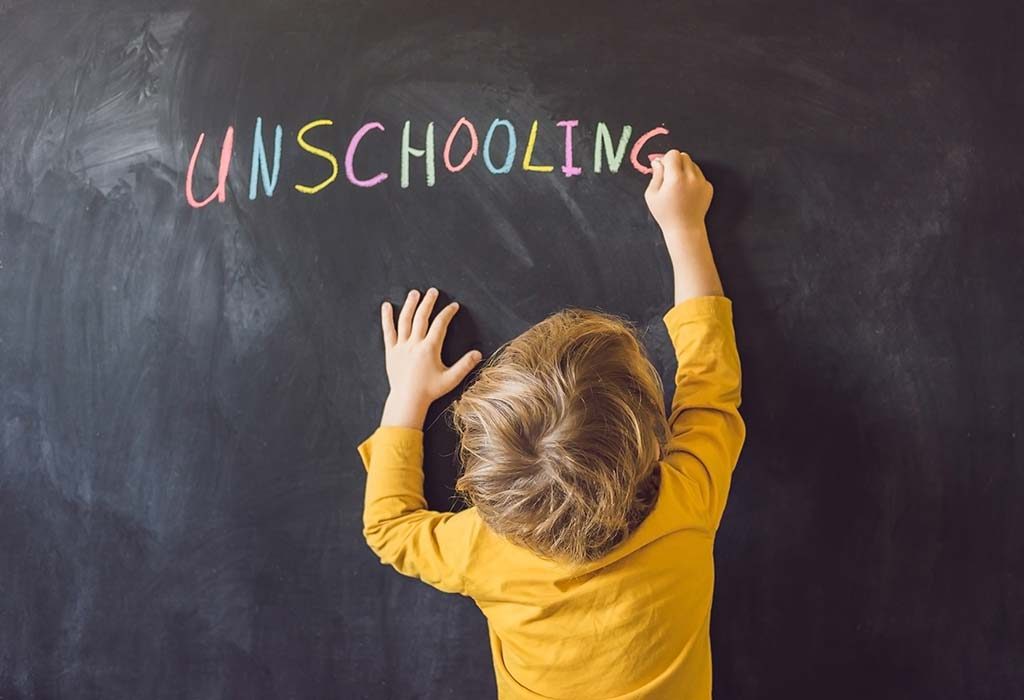
Unschooling: Exploring a Different Approach to Education
Introduction:
When it comes to education, there are various approaches that parents can choose from. One alternative method gaining popularity is unschooling. Unschooling is a unique educational philosophy that focuses on child-led learning and encourages children to explore their interests and passions without traditional curriculum or formal instruction. In this Q&A style post, we will delve deeper into the concept of unschooling, its principles, benefits, concerns, and how it differs from conventional schooling.
Q1: What exactly is unschooling?
Unschooling is an approach to education where children have the freedom to learn through self-directed exploration rather than following a predetermined curriculum. It emphasizes natural curiosity and allows children to pursue their interests at their own pace. Instead of structured lessons and tests, unschooled children engage in real-life experiences, hands-on activities, conversations with adults and peers, reading books of their choice, participating in hobbies or sports clubs – essentially anything that aligns with their passions.
Q2: How does unschooling differ from homeschooling?
While both homeschoolers and unschoolers share the goal of providing an alternative education for their children outside traditional schools, they differ in terms of structure and methods. Homeschoolers typically follow a structured curriculum similar to what would be taught in schools but within the home environment. On the other hand, as mentioned earlier, unschoolers do not use any set curriculum or prescribed materials; instead focus on child-led learning based on individual interests.
Q3: What are the main principles behind unschooling?
The principles underlying unschooling include:
1) Trust in natural learning: Unschoolers believe that humans are naturally curious beings who learn best when pursuing topics they are genuinely interested in.
2) Freedom for self-directed learning: Children should have autonomy over what they want to learn and how they go about exploring those subjects.
3) Respect for individual pace and style: Learning should not be forced or rushed; unschooling allows children to learn at their own pace, with parents providing support and resources as needed.
4) Valuing real-life experiences: Unschooling encourages learning through hands-on experiences, practical applications, and interactions with the world around us.
5) Nurturing relationships: Unschoolers prioritize building strong relationships with family members, peers, mentors, and the community as a whole. These connections serve as valuable sources of knowledge and inspiration.
Q4: What are some benefits of unschooling?
Advocates of unschooling argue that this approach offers several advantages:
1) Tailored education: Unschooling allows children to focus on topics they are genuinely interested in, enabling them to dive deep into subjects that captivate their curiosity.
2) Flexibility and freedom: Without rigid schedules or strict curricula, unschooled children have more time for play, exploration, hobbies, volunteering opportunities or pursuing passions outside traditional academics.
3) Enhanced motivation and love for learning: By allowing children to choose what they want to study based on their interests and personal goals rather than external pressures or grades, unschooling fosters an intrinsic motivation for learning.
4) Individualized pace: Children can progress at their own speed without feeling pressured by arbitrary grade levels. This flexibility ensures a deeper understanding of concepts before moving onto the next topic.
5) Critical thinking skills: Through self-directed learning experiences like problem-solving challenges or project-based activities aligned with their passions, unschooled children develop critical thinking skills that will benefit them throughout life.
Q5: Are there any concerns associated with unschooling?
Although many supporters believe in its merits, there are also concerns regarding certain aspects of unschooling:
1) Limited exposure to diverse subjects: Some worry that without structured curriculum guidance or exposure to a wide range of subjects in a formal setting, unschooled children may miss out on essential knowledge or skills.
2) External validation: Critics argue that unschooled children might struggle to gain recognition or acceptance from traditional educational institutions and future employers, who often rely on standardized tests or transcripts for evaluation.
3) Parental involvement: Unschooling requires a significant commitment from parents to actively engage with their child’s learning journey. Parents need to provide resources, facilitate opportunities for exploration, and act as mentors or guides when necessary.
Q6: How can unschoolers ensure a well-rounded education?
Unschooling does not mean neglecting broad knowledge areas. Encouraging exposure to diverse subjects can be achieved through various means:
1) Providing resources: Unschooling families often have libraries of books covering various subjects, access to online courses, documentaries, and other educational materials.
2) Engaging with the community: Field trips, attending workshops or classes offered in the community can expose unschooled children to different disciplines and foster social interactions.
3) Facilitating peer connections: Organizing playdates or joining homeschooling cooperatives allows unschoolers to interact with peers who may have diverse interests and expertise.
4) Encouraging self-reflection and goal-setting: Regular conversations about personal goals and aspirations help identify areas that need attention while maintaining focus on holistic development.
Conclusion:
Unschooling offers an alternative approach where children learn through self-directed exploration rather than following a structured curriculum. By embracing their natural curiosity and passions, unschoolers develop a love for learning while acquiring critical thinking skills at their own pace. However, it is important for families considering this path to weigh the potential benefits against concerns such as limited exposure to certain subjects or challenges related to external validation. Ultimately, each family must decide what best suits their child’s unique needs and values as they embark on this unconventional educational journey.
 Alternative Amie
Leave a comment