Assessing 21st-century skills through portfolios
In the rapidly evolving landscape of education, traditional methods of assessment often fall short in capturing the full range of skills and competencies that students need to thrive in the 21st century. As educators and institutions strive to prepare students for a future characterized by innovation, critical thinking, collaboration, and adaptability, alternative approaches to assessment are gaining momentum.
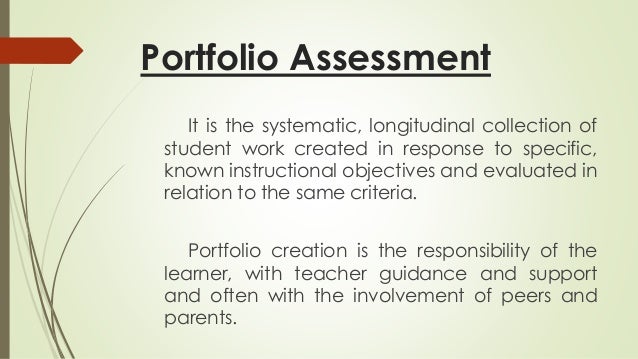
One such approach is the use of portfolios as a means to assess 21st-century skills. Portfolios offer a holistic view of student learning and growth over time, allowing educators to evaluate not only what students know but also how they apply their knowledge and skills in real-world contexts. In this article, we will explore the benefits of assessing 21st-century skills through portfolios and provide practical insights into implementing this approach effectively.
What are 21st-century skills?
Before delving into portfolio assessment, let’s first clarify what we mean by “21st-century skills.” These are a set of abilities that go beyond traditional academic subjects and encompass both cognitive and non-cognitive domains. They include:
1. Critical thinking: The ability to analyze information critically, make reasoned judgments, solve complex problems, and think creatively.
2. Collaboration: Working effectively with others in diverse teams or groups towards common goals.
3. Communication: Expressing ideas clearly using various modes (verbal, written) while being an active listener.
4. Creativity: Thinking imaginatively to generate new ideas or solutions.
5. Digital literacy: Navigating digital tools and resources effectively while understanding ethical considerations.
6. Information literacy: Locating, evaluating, synthesizing information from multiple sources accurately.
7. Adaptability: Being flexible in response to change while demonstrating resilience.
Why use portfolios for assessing 21st-century skills?
Portfolios offer several advantages when it comes to assessing these essential 21st-century competencies:
1. Authenticity: Portfolios showcase students’ authentic work samples, providing a more accurate representation of their skills and abilities. Unlike traditional tests or exams that often rely on memorization, portfolios allow students to demonstrate their understanding through real-world applications.
2. Longitudinal perspective: Portfolios are cumulative collections of student work over time. This longitudinal perspective enables educators to track growth, reflect on progress, and identify areas for improvement in 21st-century skills development.
3. Self-reflection and metacognition: Portfolios encourage self-reflection as students curate their best work and articulate the strategies they employed to achieve success. This process promotes metacognitive awareness, empowering students to become active agents in their own learning journey.
4. Individualization: Each student’s portfolio is unique, reflecting their interests, strengths, and areas for growth. By tailoring assessment criteria to individual learners’ needs, portfolios allow for a more personalized approach that honors diverse talents and perspectives.
5. Authentic audience: Portfolios can be shared with a broader audience beyond the classroom walls – peers, parents/guardians, potential employers or colleges – creating opportunities for feedback and recognition from real-world stakeholders.
Designing an effective portfolio assessment system
Implementing portfolio assessment effectively requires careful planning and consideration of various factors:
1. Clearly defined outcomes: Begin by identifying specific learning goals tied to 21st-century skills that you want students to achieve within your curriculum or program.
2. Rubrics and criteria: Develop clear rubrics or scoring guidelines aligned with the identified outcomes to assess each skill dimension adequately.
3. Artifact selection: Encourage students to select artifacts (e.g., projects, essays) that best represent their mastery of targeted skills while considering diversity in format (written pieces, multimedia creations).
4. Reflection prompts: Incorporate reflection prompts into the portfolio process that prompt students to think critically about how they have demonstrated each skill dimension in their chosen artifacts.
5. Regular checkpoints: Set up regular checkpoints throughout the year to review and provide feedback on students’ portfolios. This ongoing formative assessment helps guide their progress and fosters a growth mindset.
6. Peer collaboration and feedback: Integrate opportunities for peer collaboration, peer evaluation, and constructive feedback within the portfolio process. Encourage students to engage in discussions about best practices or areas of improvement.
7. Authentic audience engagement: Create avenues for sharing student portfolios with authentic audiences (e.g., exhibitions, presentations) to promote meaningful connections beyond the classroom.
8. Reflection conferences: Schedule one-on-one reflection conferences with each student to discuss their overall growth, strengths, challenges, and goal-setting for further development.
Challenges and considerations
While portfolio assessment offers numerous benefits in assessing 21st-century skills, it is essential to consider potential challenges:
1. Time-consuming: Implementing portfolio assessments requires careful planning, organization, and time commitment from both educators and students.
2. Standardization concerns: Portfolio assessment may raise questions about standardization across classrooms or institutions due to its personalized nature. However, rubrics can help ensure consistency while allowing room for individuality.
3. Subjectivity in evaluation: Assessing portfolios inevitably involves subjective judgment by educators; therefore inter-rater reliability should be ensured through calibration sessions or collaborative scoring practices.
4. Digital infrastructure requirements: With the increasing use of digital tools for creating e-portfolios, access to technology resources might present an equity issue if not adequately addressed.
Conclusion
Assessing 21st-century skills through portfolios provides a more comprehensive understanding of student learning by capturing their abilities beyond traditional academic domains. By showcasing authentic work samples over time, promoting self-reflection and metacognition, personalizing assessment criteria, engaging authentic audiences in the process – this approach supports education’s shift towards equipping students with essential skills for success in today’s rapidly changing world.
 Alternative Amie
Leave a comment