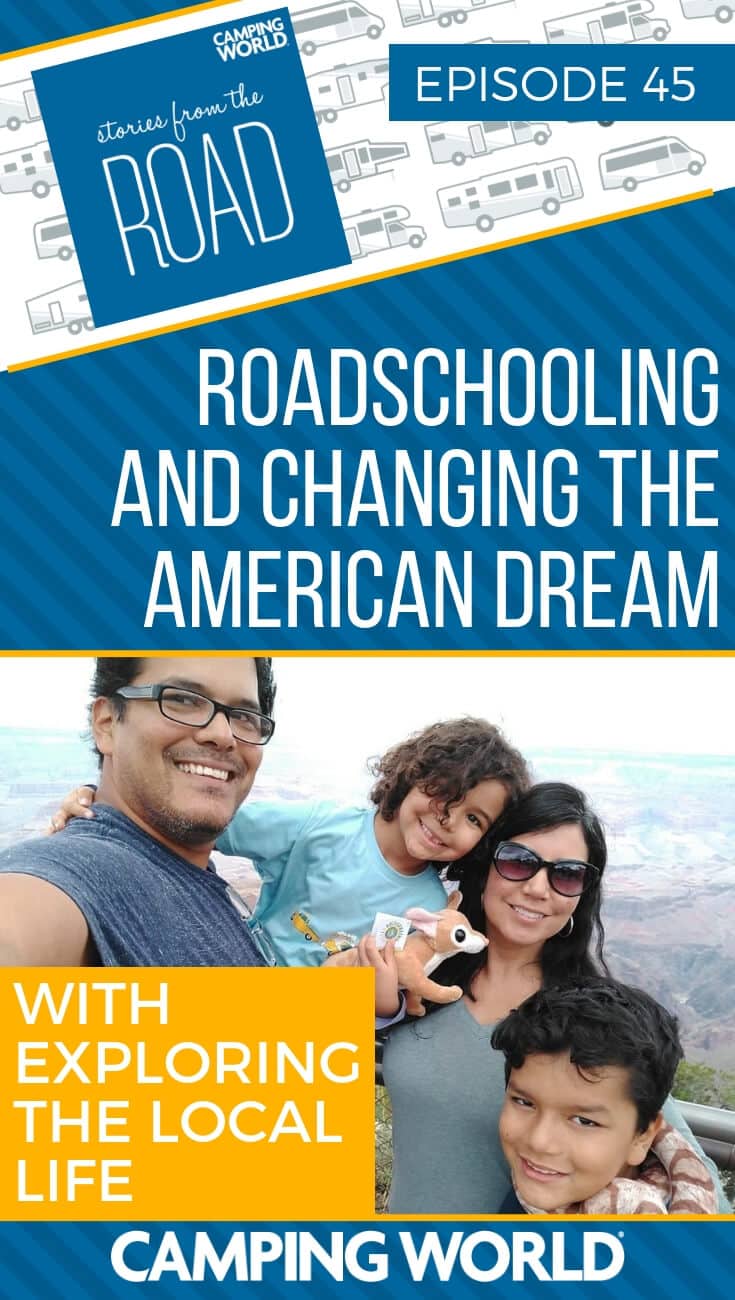
Exploring Local History and Culture through Roadschooling
Alternative forms of education have gained popularity in recent years, with many families opting for non-traditional methods to educate their children. One such method is roadschooling, which involves taking learning on the road and using real-life experiences to enhance education. Through roadschooling, families have the opportunity to explore local history and culture in a unique and immersive way.
Roadschooling allows families to break free from the confines of traditional classroom walls and textbooks. Instead, they embrace learning opportunities that present themselves during travel. By incorporating local history and culture into their curriculum, these families create meaningful educational experiences that leave a lasting impact on their children’s understanding of the world.
One of the primary advantages of roadschooling is its ability to provide hands-on learning experiences. Rather than simply reading about historical events or cultural practices in a textbook, students can visit museums, heritage sites, landmarks, and engage with local experts who bring these subjects to life. This experiential approach deepens understanding while fostering a sense of curiosity and appreciation for different cultures.
When exploring local history through roadschooling, families can tailor their educational activities based on specific destinations they visit. For example, visiting colonial towns along the East Coast of the United States allows students to learn about early American history firsthand. They can walk through historic streets lined with preserved buildings from centuries ago and participate in reenactments that recreate significant events like the signing of the Declaration of Independence or battles fought during the Revolutionary War.
Similarly, traveling through Europe provides endless opportunities for exploring rich histories dating back thousands of years. Visiting ancient ruins such as Rome’s Colosseum or Greece’s Acropolis not only gives students an up-close look at architectural marvels but also offers insights into civilizations long gone – sparking conversations about politics, artistry, societal structures, and more.
Cultural immersion is another crucial aspect when it comes to roadschooling. By living among locals and engaging with their customs, traditions, and languages, children gain a deeper understanding and appreciation for diverse cultures. This exposure fosters empathy, tolerance and nurtures an inclusive mindset – important skills for future global citizens.
Roadschooling families can participate in local festivals, celebrations, or events that offer unique insights into a region’s cultural heritage. For instance, attending the Chinese New Year Parade in San Francisco or experiencing Carnival in Brazil exposes students to different customs while highlighting the importance of traditions within societies.
Furthermore, roadschooling allows families to explore lesser-known destinations that are often overlooked by traditional tourists. These hidden gems provide opportunities for discovering untold stories and unexplored facets of history and culture. Whether it’s exploring small towns on Route 66 in the United States or venturing off the beaten path in Southeast Asia, these experiences offer authenticity that cannot be replicated within classroom walls.
The flexibility of roadschooling also enables families to integrate local history and culture seamlessly into other subjects like science, literature, and art. For example, visiting Charles Darwin’s research sites in the Galapagos Islands provides a firsthand understanding of his groundbreaking theories while immersing students in natural ecosystems found nowhere else on Earth.
Similarly, following literary trails allows students to connect with famous authors’ works by visiting places they once called home or drawing inspiration from. Standing outside William Shakespeare’s birthplace or walking through Virginia Woolf’s Bloomsbury neighborhood adds depth to literature studies by connecting texts to real-life locations.
Incorporating art into roadschooling is equally enriching as students can visit renowned museums around the world where masterpieces are displayed. Seeing Van Gogh’s “Starry Night” at MoMA or da Vinci’s “Mona Lisa” at The Louvre sparks discussions about artistic techniques while providing historical context behind these iconic pieces.
Roadschooling brings learning beyond textbooks by turning every mile traveled into an adventure. Through exploring local history and culture, children gain a broader perspective of the world while developing critical thinking, problem-solving skills, and cross-cultural understanding.
As alternative education methods continue to evolve, roadschooling stands out as an exciting way for families to immerse themselves in diverse cultures and uncover hidden histories. By embracing this unconventional approach to education, parents can provide their children with a well-rounded educational experience that fosters personal growth and lifelong curiosity about the world around them.
 Alternative Amie
Leave a comment