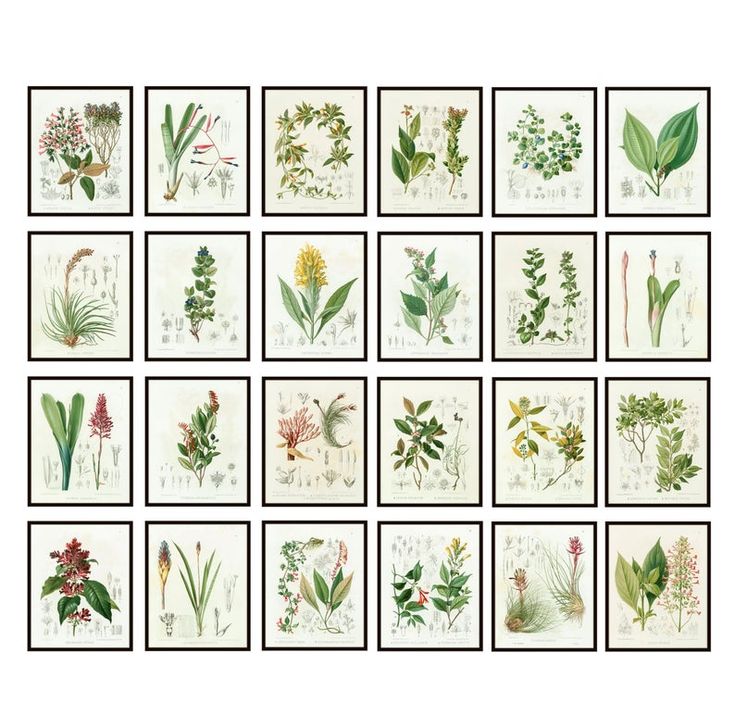
In the realm of scientific studies, one field that has greatly contributed to our understanding of the natural world is botany. Botany, also known as plant biology or phytology, is a branch of biology that focuses on the study of plants. It encompasses various aspects such as their structure, growth patterns, reproduction, evolution, classification, and ecological interactions.
The origins of botany can be traced back to ancient civilizations like Egypt and Mesopotamia where people began to cultivate crops and document their observations about different plants. However, it was the Greeks who laid the foundation for modern botanical studies with renowned philosophers like Theophrastus and Aristotle.
During the Renaissance period in Europe, there was a surge in interest in botany as explorers brought back exotic plant specimens from newly discovered lands. This led to the establishment of botanical gardens for studying these plants and exchanging knowledge among scholars. Notable figures during this time include Carl Linnaeus who devised a system for classifying plants based on shared characteristics.
As time progressed and technology advanced, so did our knowledge in botany. Microscopes allowed scientists to delve deeper into cellular structures while advancements in genetics helped unravel plant DNA sequencing. These breakthroughs led to significant discoveries such as understanding photosynthesis and how hormones regulate plant growth.
Today, studying botany offers numerous career opportunities ranging from research scientists working in laboratories or universities to environmental consultants focused on preserving ecosystems. Additionally, botanical knowledge finds applications in agriculture by developing disease-resistant crops or improving crop yields through genetic modification.
Alternative schooling and education have provided unique platforms for teaching botany beyond traditional classrooms. Nature-based schools often incorporate outdoor activities where students observe plants firsthand while homeschooling programs offer flexibility for hands-on experiments at home or local gardens.
Botanical studies not only enhance our understanding of nature but also contribute significantly to conservation efforts by identifying endangered species or discovering new medicinal properties within plants. Engaging with this captivating field cultivates a sense of appreciation and stewardship for the natural world, making botany an invaluable subject to explore in alternative education.
 Alternative Amie
Leave a comment