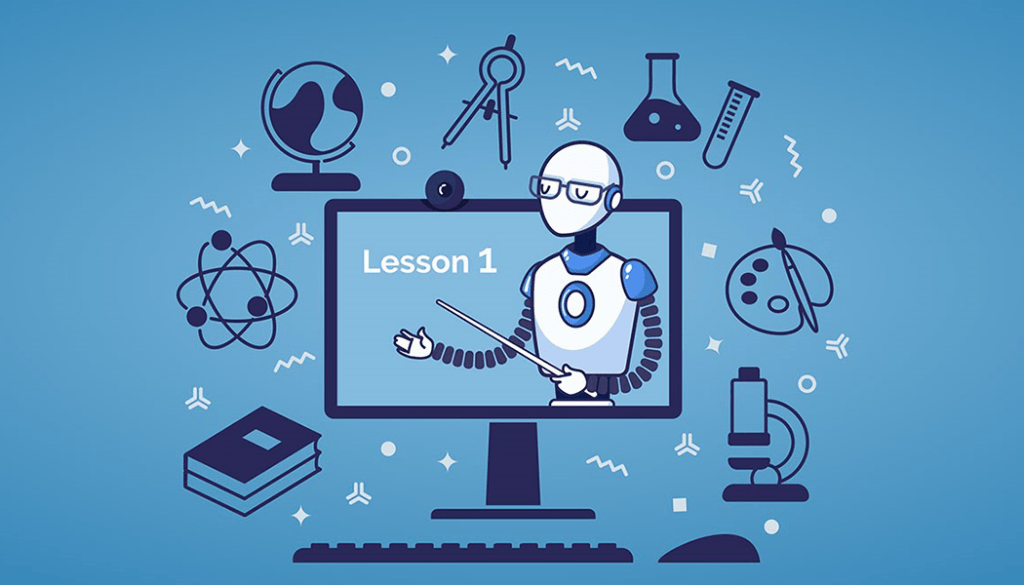
Artificial Intelligence (AI) has become a buzzword in recent years, with its potential to revolutionize various industries. However, when it comes to education and schooling, there are both pros and cons to consider.
One of the significant advantages of AI in education is its ability to personalize learning experiences. AI can analyze vast amounts of data on individual students’ strengths, weaknesses, and learning styles. By doing so, it can provide tailored content and resources that suit each student’s needs. This personalized approach promotes student engagement and enhances their understanding of complex concepts.
Moreover, AI can serve as an invaluable tool for educators by automating administrative tasks such as grading papers or generating reports. This not only saves time but also allows teachers to focus on more meaningful interactions with their students.
However, some concerns surround the use of AI in education. Critics argue that relying too heavily on technology may hinder traditional teaching methods that foster critical thinking skills and human interaction. Additionally, there are concerns about data privacy and security when using AI systems that collect sensitive information about students.
To embrace the benefits of AI while addressing these concerns, it is crucial for educators to strike a balance between technology-driven instruction and traditional teaching methods. Incorporating AI should be seen as a supplement rather than a replacement for human interaction in classrooms.
In conclusion, the integration of Artificial Intelligence into education holds immense potential for enhancing personalized learning experiences while alleviating administrative burdens on educators. However, careful consideration must be given to ensure that technology does not overshadow essential aspects of education such as critical thinking skills and human connection among students and teachers alike. With this balanced approach, we can harness the power of AI to create alternative schooling environments that cater effectively to each student’s unique needs while fostering holistic development.
 Alternative Amie
Leave a comment