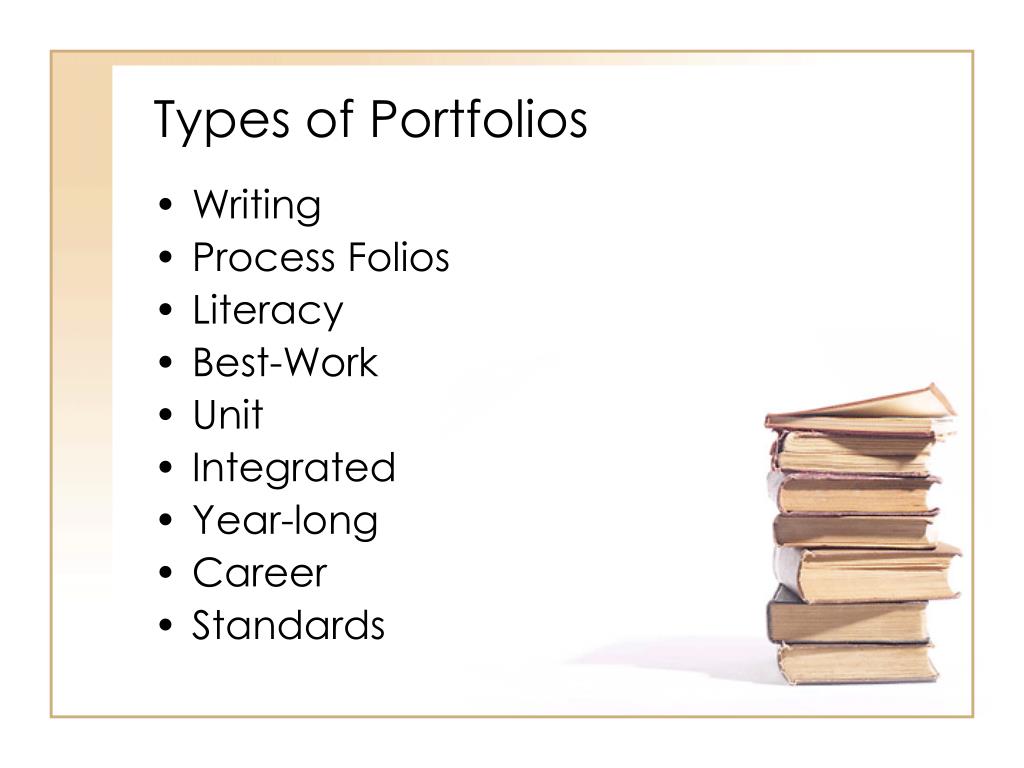
Different types of portfolios
In the world of education, portfolios have become increasingly popular as a way for students to showcase their work and demonstrate their learning. A portfolio is a purposeful collection of evidence that showcases an individual’s skills, abilities, achievements, and growth over time. It allows students to take ownership of their learning and provides them with a tangible representation of their progress.
While traditional educational institutions often rely on standardized tests and grades to assess student performance, alternative schools and educators recognize the importance of holistic evaluation methods like portfolios. These alternative approaches prioritize individualized learning experiences that can be reflected in different types of portfolios. Let’s explore some examples:
1. Showcase Portfolio:
A showcase portfolio emphasizes the presentation aspect by highlighting a student’s best work or projects from various subjects or disciplines. This type of portfolio aims to impress viewers with high-quality samples that represent the student’s strengths and achievements. It may include written works, artwork, photographs, videos, or any other form of creative expression.
2. Process Portfolio:
Unlike a showcase portfolio that focuses on final products only, a process portfolio offers insights into the journey behind each piece of work. It showcases drafts, revisions, reflections on feedback received and lessons learned throughout the process. By providing this behind-the-scenes look at their development as learners, students can demonstrate not only their end product but also their ability to apply critical thinking skills and engage in iterative processes.
3. Learning Journey Portfolio:
A learning journey portfolio provides a comprehensive overview of a student’s progress over time across multiple subjects or areas within a specific discipline. It captures milestones reached along with reflections on challenges faced and strategies employed to overcome them. This type of portfolio helps students see how far they’ve come while offering educators valuable insight into individual growth trajectories.
4. Digital Portfolio:
As technology continues to permeate all aspects of our lives, digital portfolios have gained popularity due to their accessibility and versatility. A digital portfolio can be in the form of a website, blog, or online platform where students can curate and present their work. It allows for easy sharing with peers, educators, and potential employers while providing ample opportunities for multimedia integration.
5. Career-focused Portfolio:
For older students nearing graduation or individuals seeking employment, a career-focused portfolio becomes essential. This type of portfolio showcases relevant skills, experiences, certifications, and accomplishments that align with specific career goals or industry requirements. It may include samples of work completed during internships, projects related to the desired field of work, recommendation letters from mentors or professionals in the industry.
6. Collaborative Portfolio:
In an increasingly interconnected world where collaboration is highly valued, a collaborative portfolio emphasizes group projects and collective achievements. This type of portfolio highlights teamwork skills as well as individual contributions within a team setting. By showcasing successful collaborations and detailing each member’s role and responsibilities within the group project(s), students can demonstrate their ability to communicate effectively and work collaboratively.
7. Reflection-based Portfolio:
A reflection-based portfolio centers around self-assessment and critical thinking by encouraging students to reflect on their learning experiences through writing or other forms of expression. This type of portfolio often includes personal reflections on strengths and weaknesses identified throughout the learning process along with strategies for improvement moving forward.
8. Competency-based Portfolio:
A competency-based portfolio focuses on demonstrating mastery in specific areas or competencies rather than traditional grades or academic achievements alone. Students compile evidence that directly aligns with predetermined competencies established by educators or educational institutions.
9. Multimodal Portfolio:
Multimodal portfolios incorporate various modes of communication such as written text, visuals (photos/graphics), audio recordings (podcasts/music), videos/films/animations to represent student learning across different mediums effectively.
10. Personal Growth Portfolio:
Similar to reflection-based portfolios but more focused on personal development beyond academics, personal growth portfolios highlight non-academic achievements like personal goals accomplished outside the classroom, community service activities, leadership experiences, and personal hobbies that showcase a well-rounded individual.
Ultimately, the type of portfolio chosen will depend on the educational context and goals of both students and educators. Regardless of the format or focus, portfolios provide an opportunity for students to engage in deeper learning experiences while showcasing their unique abilities and growth. By embracing alternative assessment methods like portfolios, schools can foster a more comprehensive approach to education that values individual strengths and promotes lifelong learning.

 Alternative Amie
Leave a comment