Environmental Justice: Nurturing Sustainable Education for a Greener Future
Introduction:
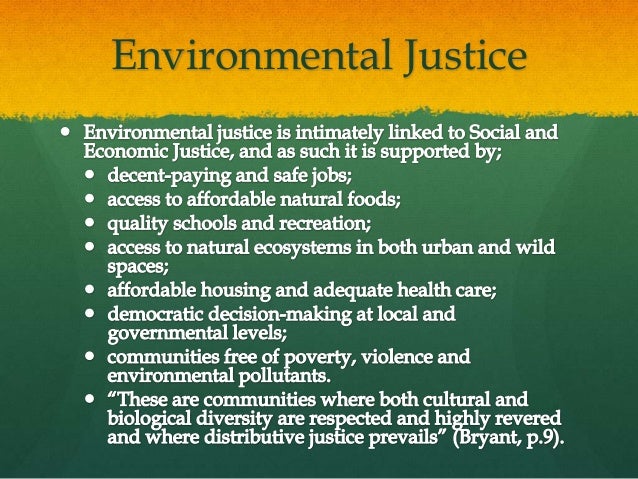
In the pursuit of a more sustainable future, it is crucial to address the issues surrounding environmental justice. Environmental justice seeks to ensure that all individuals, regardless of their socioeconomic status or background, have equal access to a clean and healthy environment. In this article, we will explore various environmental justice issues and their impact on education. By understanding these challenges and implementing alternative schooling and educational approaches, we can empower students to become advocates for change and nurture a greener future.
1. The Importance of Environmental Justice:
Environmental justice transcends mere concern for the environment; it encompasses social equity as well. Historically marginalized communities are disproportionally affected by pollution, lack of access to green spaces, and other environmental hazards. These disparities hinder educational opportunities as children growing up in polluted areas often face health problems that negatively impact their ability to learn effectively.
2. Air Pollution Near Schools:
Air pollution poses significant threats in many urban areas worldwide, particularly near schools located in industrial zones or high-traffic areas. Students attending these schools are exposed to harmful pollutants such as particulate matter (PM), nitrogen dioxide (NO2), and volatile organic compounds (VOCs). Prolonged exposure leads to respiratory illnesses like asthma which can result in absenteeism or decreased academic performance.
To combat this issue, alternative schooling initiatives could focus on establishing schools away from major pollution sources or introducing air filtration systems within school buildings. Advocating for stricter emission controls around school environments is also essential.
3. Lead Contamination in Schools:
Lead contamination remains an alarming issue globally due to its adverse effects on cognitive development, especially among young children who absorb lead more easily than adults do. Aging infrastructure contributes significantly to lead contamination within school premises through deteriorating pipes or paint containing lead-based pigments.
Implementing comprehensive testing programs for lead levels within school facilities is vital for identifying potential risks early on. Schools should prioritize replacing any contaminated infrastructure to ensure the safety of their students.
4. Access to Green Spaces:
Access to green spaces plays a crucial role in nurturing a sense of environmental stewardship and promoting physical and mental well-being among students. Unfortunately, marginalized communities often lack access to such areas due to systemic inequalities.
Alternative schooling approaches can address this issue by incorporating outdoor education programs and encouraging partnerships with local parks or community gardens. By providing opportunities for hands-on learning in natural settings, students can develop a deeper connection with nature while gaining valuable knowledge about ecological systems.
5. Food Insecurity and Environmental Justice:
Food insecurity is both a cause and consequence of environmental injustice. Low-income communities often lack access to fresh, nutritious foods due to limited grocery store options or the prevalence of food deserts – areas where affordable, healthy food is scarce.
To promote sustainable education regarding food justice, alternative schools can establish on-site gardens or partner with local farmers’ markets. Through gardening projects and nutrition-focused curricula, students learn about sustainable agriculture practices, gain practical skills, and experience firsthand the benefits of growing their own food.
6. Climate Change Education:
Environmental justice cannot be discussed without addressing climate change – one of the most pressing global challenges we face today. The impacts of climate change disproportionately affect vulnerable communities around the world through extreme weather events, rising sea levels, disrupted ecosystems, and resource scarcity.
Alternative schooling programs must incorporate comprehensive climate change education that emphasizes its social dimensions alongside scientific understanding. Students should be equipped with knowledge on mitigation strategies as well as adaptation measures that help build resilience within their communities.
Conclusion:
Environmental justice issues pose significant obstacles to quality education worldwide; however, alternative schooling initiatives have the power to address these challenges head-on by embracing sustainability principles, fostering community engagement, and empowering students as agents for change. By nurturing a sense of environmental stewardship from an early age through experiential learning opportunities within greener educational environments, we can pave the way for a more sustainable future that ensures equality and justice for all.
 Alternative Amie
Leave a comment