Classroom Management Strategies for Multiage Classrooms
Multiage classrooms are becoming increasingly popular in alternative education settings. These classrooms combine students of different ages and grade levels, providing a unique learning environment where students can learn from each other and develop important social skills. However, managing a multiage classroom can be challenging for educators who must juggle the varying needs and abilities of their students. In this article, we will explore some effective classroom management strategies specifically designed for multiage classrooms.
1. Foster a Positive Classroom Culture
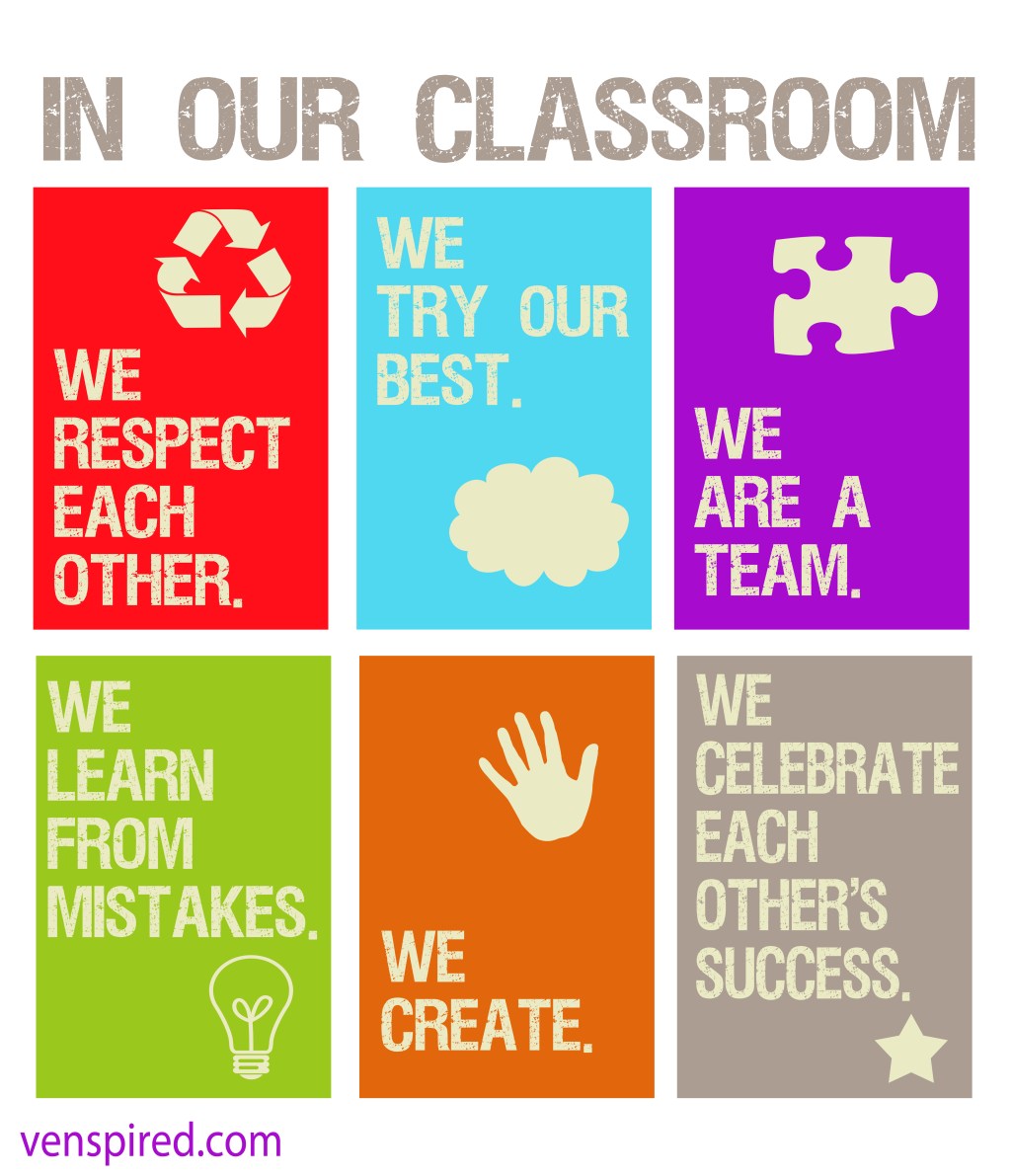
Creating a positive classroom culture is essential in any educational setting, but it becomes even more crucial in multiage classrooms where students have diverse backgrounds and abilities. Start by establishing clear expectations for behavior and academic performance that are appropriate for all age groups involved.
Encourage collaboration among students by implementing cooperative learning activities that promote teamwork and mutual respect. Create opportunities for older students to mentor younger ones, fostering a sense of responsibility and empathy within the class community.
2. Differentiate Instruction
One of the biggest challenges in managing a multiage classroom is meeting the individual needs of each student. To address this challenge effectively, teachers should implement differentiated instruction strategies that allow them to tailor their teaching to meet the diverse needs of their students.
Consider creating learning stations or centers where students can engage with various activities at different difficulty levels based on their abilities or interests. Use flexible grouping techniques to ensure that every student receives targeted instruction at their own pace.
3. Utilize Peer Tutoring
Peer tutoring is an excellent strategy for promoting collaboration while simultaneously addressing individual differences in ability levels within a multiage classroom. Encourage older students to take on mentoring roles by pairing them with younger counterparts during specific tasks or projects.
The benefits of peer tutoring extend beyond academic assistance; it also helps foster positive relationships among classmates while developing leadership skills among older students.
4. Individualized Goal Setting
Setting individualized goals allows each student to work towards personal growth within a multiage classroom. Work with students individually to identify their strengths, weaknesses, and areas for improvement. This approach promotes self-awareness and helps students take responsibility for their own learning.
Regularly assess student progress and provide feedback that is specific and constructive. Celebrate achievements, regardless of the student’s age or grade level, to foster a sense of accomplishment within the class community.
5. Establish Routines and Procedures
Consistency is key when managing any classroom, but it becomes especially important in multiage classrooms where students have varying levels of independence and experience. Create clear routines and procedures that all students can follow, ensuring that they understand expectations for transitions between activities, materials usage, and class organization.
Take time at the beginning of each school year or semester to explicitly teach these routines to new students while reinforcing them with returning ones. With consistent practice, routines become second nature for students across different age groups.
6. Emphasize Social-Emotional Learning
In multiage classrooms where social interactions play a significant role in daily learning experiences, incorporating social-emotional learning (SEL) into the curriculum is crucial. SEL teaches essential life skills such as empathy, self-regulation, problem-solving, and conflict resolution – all necessary components for a harmonious classroom environment.
Integrate SEL activities into daily lessons by using literature or real-life scenarios that allow students to explore emotions and develop interpersonal skills collaboratively. Model positive behavior yourself as an educator so that students can learn from your example.
7. Provide Choice-Based Learning Opportunities
Empowering students with choice-based learning opportunities not only increases engagement but also allows them to take ownership of their education journey within a multiage classroom setting. Offer various topics or projects from which they can choose based on their interests or skill levels.
Consider implementing project-based learning approaches where students work independently or collaboratively on long-term projects aligned with curricular goals but allowing room for individualized exploration within those parameters.
8. Collaborate with Colleagues and Parents
Managing a multiage classroom can be overwhelming at times, so it’s essential to collaborate with colleagues and involve parents in the process. Engage in regular communication with other teachers who are part of the multiage team to share ideas, strategies, and resources.
Keep an open line of communication with parents or guardians by providing frequent updates on student progress, areas for improvement, and upcoming events. Encourage parental involvement through volunteering opportunities or guest speaker invitations to enrich the classroom experience.
In conclusion, managing a multiage classroom requires thoughtful planning and implementation of strategies that address the unique needs of students at different age levels and abilities. By fostering a positive classroom culture, differentiating instruction, utilizing peer tutoring, setting individualized goals, establishing routines and procedures, emphasizing social-emotional learning, providing choice-based learning opportunities, as well as collaborating with colleagues and parents – educators can create an inclusive learning environment where all students thrive.
 Alternative Amie
Leave a comment