Introduction:
Traveling can be an exciting and enriching experience, but it’s essential to have a solid understanding of banking options and online banking tools while you’re away from home. Managing your finances efficiently is crucial to ensure smooth transactions, easy access to funds, and protection against potential risks. In this article, we will explore the top 15 banking options and online tools that can enhance your travel experience.
1. International Credit Cards:
One of the most common banking options for travelers is international credit cards. These cards offer worldwide acceptance and allow you to make purchases conveniently without carrying large amounts of cash. Look for credit cards with no foreign transaction fees or those that provide travel rewards or insurance benefits.
2. Debit Cards:
Debit cards are another popular choice among travelers as they allow you to withdraw local currency from ATMs wherever you go. However, before using your debit card abroad, inform your bank about your travel plans to avoid any potential issues with blocked transactions.
3. Prepaid Travel Cards:
Prepaid travel cards are an excellent alternative if you don’t want to use credit or debit cards extensively during your trip. These reloadable cards work similarly to debit cards but come with added security features such as PIN protection and limited liability in case of theft or loss.
4. Mobile Banking Apps:
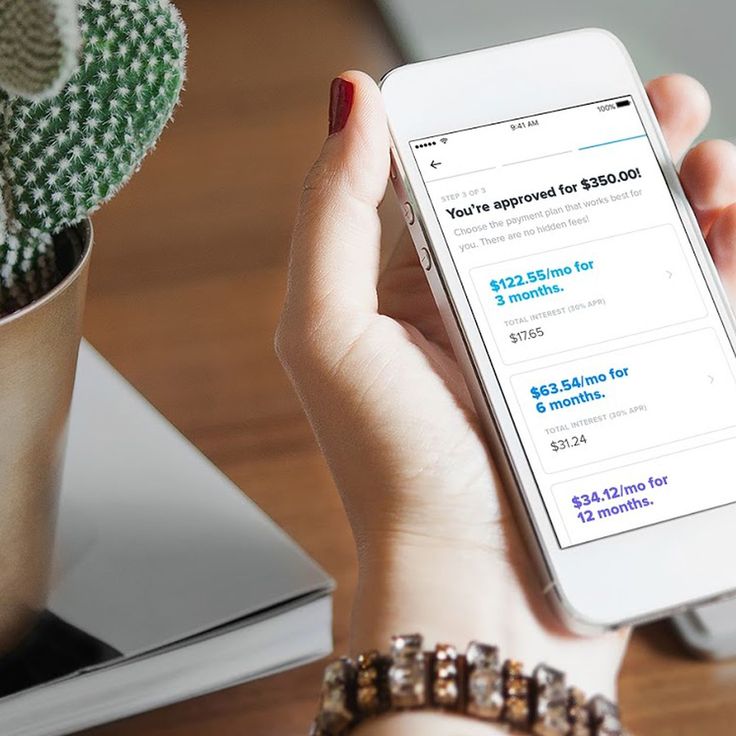
Mobile banking apps have revolutionized the way people manage their finances on the go. With just a few taps on your smartphone, you can check account balances, transfer funds between accounts, pay bills, monitor transactions in real-time, and even locate nearby ATMs.
5. Online Banking Services:
Most banks now offer online banking services that allow customers to access their accounts via secure websites or mobile apps from anywhere in the world with an internet connection. Through online banking platforms, you can view statements, track expenses, set up automatic payments or transfers, and communicate securely with customer support.
6.Mobile Wallets:
Mobile wallets, such as Apple Pay, Google Pay, or Samsung Pay, have gained popularity in recent years. These digital payment platforms enable you to store your credit or debit card information securely on your smartphone and make contactless payments at supported merchants.
7. Peer-to-Peer Payment Apps:
If you’re traveling with friends or splitting expenses with fellow travelers, peer-to-peer payment apps like Venmo or PayPal can simplify the process. These apps allow you to send and receive money instantly using just a mobile phone number or email address.
8. Currency Converter Apps:
Currency converter apps are essential tools for travelers who want to stay updated on exchange rates and convert currencies accurately. These apps provide real-time conversions and historical data, ensuring that you get the most value out of your exchanges while avoiding unnecessary fees.
9. Travel Expense Tracking Apps:
To keep track of your travel expenses easily, consider using travel expense tracking apps like Expensify or Tripcoin. These apps help you categorize expenses, create budgets, capture receipts digitally, and generate detailed reports for reimbursement purposes.
10. Virtual Private Networks (VPNs):
When accessing online banking services abroad or using public Wi-Fi networks during your travels, it’s crucial to prioritize security by utilizing virtual private networks (VPNs). VPNs encrypt your internet connection and protect sensitive information from potential hackers lurking on public networks.
11.Travel Insurance Providers:
While not directly related to banking options, having comprehensive travel insurance is vital when traveling abroad. Look for insurance providers that offer coverage for medical emergencies, trip cancellations/interruptions, lost baggage/theft protection along with financial safeguards against unforeseen circumstances.
12.International Wire Transfers:
In some cases where electronic transfers are necessary – such as paying for accommodations in advance – international wire transfers may be required. Familiarize yourself with the process offered by your bank beforehand so that you understand any associated fees and time frames involved.
13.Contactless Payment Cards:
Contactless payment cards use near-field communication (NFC) technology to enable secure and quick transactions. With a simple tap of your card on a contactless-enabled terminal, you can make payments without the need for a PIN or signature.
14.Traveler’s Checks:
While traveler’s checks have become less popular due to the rise of electronic banking options, they still offer security and peace of mind in certain situations. Consider carrying a small amount as backup or for destinations where electronic payment systems are limited.
15. Local Bank Accounts:
If you’re planning an extended stay in one particular country, opening a local bank account may be advantageous. This option allows you to avoid excessive foreign transaction fees and simplifies managing your finances while enjoying local services such as ATM withdrawals with minimal charges.
Conclusion:
Having a clear understanding of banking options and online tools available while traveling is essential for every globetrotter. By utilizing credit cards, debit cards, prepaid travel cards, mobile banking apps, online banking services, and other innovative tools like mobile wallets and currency converter apps, you can ensure hassle-free financial management during your adventures. Remember to prioritize security measures such as VPNs when accessing online accounts abroad and consider travel insurance providers to protect yourself from unexpected financial setbacks.
 Alternative Amie
Leave a comment