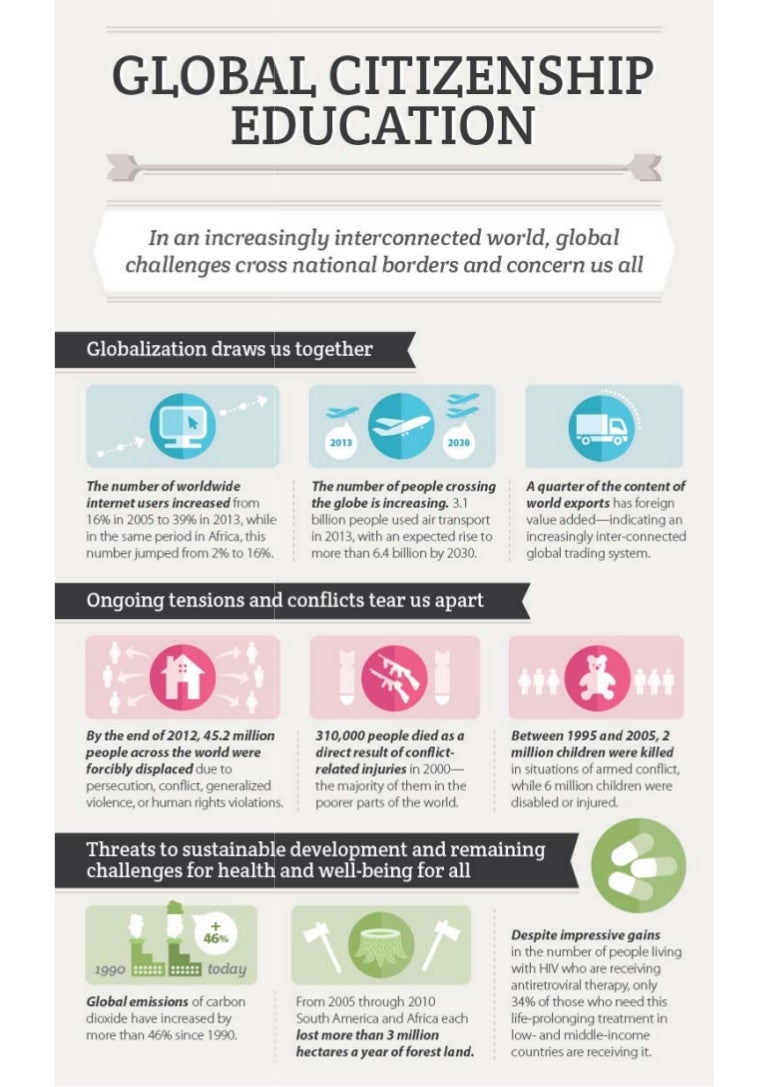
Global Citizenship: Nurturing Young Minds for a Better World
In today’s interconnected and rapidly changing world, the concept of global citizenship has gained significant attention. Global citizens are individuals who recognize their role in shaping the world and actively engage in addressing global challenges. This transformative approach to education goes beyond traditional academic learning, focusing on instilling values such as empathy, cultural understanding, and social responsibility. As alternative schooling models become increasingly popular, they offer a unique opportunity to foster global citizenship among young learners.
One key aspect of global citizenship education is cultivating a sense of empathy towards others. Empathy allows individuals to understand and share the feelings of people from different backgrounds or cultures. By teaching children to empathize with others, alternative schools help break down barriers that divide societies based on race, religion, or nationality. Through activities like storytelling sessions or cross-cultural exchanges, students learn to appreciate diversity and develop compassion for those facing adversity.
Cultural understanding is another essential component of global citizenship education. In an increasingly diverse world, it is crucial for young minds to recognize and respect different cultures and traditions. Alternative schools often prioritize multiculturalism by incorporating diverse curricula that reflect various perspectives from around the globe. They may also organize events celebrating cultural festivals or invite guest speakers from different ethnic backgrounds to share their experiences firsthand. These initiatives enable students to broaden their horizons beyond their immediate surroundings while fostering tolerance and appreciation for cultural differences.
Equally important is nurturing a sense of social responsibility among future generations. Global citizens understand that they have a duty not only towards themselves but also towards the greater good of humanity as a whole. Alternative schools emphasize community engagement through service-learning projects where students actively participate in local initiatives aimed at addressing societal issues like poverty alleviation or environmental conservation. Such hands-on experiences provide practical knowledge about real-world problems while fostering leadership skills necessary for effecting positive change.
Furthermore, alternative schooling models often incorporate project-based learning approaches that encourage critical thinking and problem-solving skills. These methods stimulate students to analyze complex global issues from multiple perspectives, encouraging them to become active participants in finding innovative solutions. By engaging in collaborative projects that tackle real-world problems like climate change or human rights violations, young learners develop a sense of agency, empowering them to make a difference on a global scale.
Technology plays a pivotal role in nurturing global citizenship among students. In today’s digital age, technology has the power to connect individuals across borders and facilitate collaboration on an unprecedented scale. Alternative schools leverage this potential by integrating educational technology into their curriculum. Virtual classrooms allow students from different countries to engage in joint projects, fostering cross-cultural dialogue and understanding. Online platforms also provide access to diverse learning resources and global networks that expose students to different viewpoints and experiences.
To ensure the successful implementation of global citizenship education within alternative schooling models, it is essential for educators themselves to embrace these principles. Teacher training programs should emphasize the importance of nurturing empathy, cultural understanding, and social responsibility among young learners. Educators need support in developing creative pedagogical approaches that enable students to explore global issues authentically while equipping them with critical skills necessary for active participation as responsible citizens.
However, it is equally important not to overlook potential challenges when implementing a global citizenship approach within alternative schools’ frameworks. Limited resources or lack of awareness can pose obstacles that hinder the successful execution of such education models effectively. Therefore, policymakers must allocate adequate funding towards these initiatives while ensuring widespread dissemination of knowledge about the benefits they offer.
In conclusion, alternative schooling models have emerged as powerful platforms for nurturing young minds into engaged global citizens who are equipped with the necessary skills and values needed for addressing complex societal challenges prevalent in our interconnected world. By prioritizing empathy, cultural understanding, social responsibility, critical thinking skills, and leveraging technology effectively; alternative schools lay a strong foundation for shaping future generations capable of making positive contributions at both local and international levels. As we continue to navigate an ever-changing world, global citizenship education remains a crucial pillar in shaping a more inclusive and sustainable future for all.
 Alternative Amie
Leave a comment