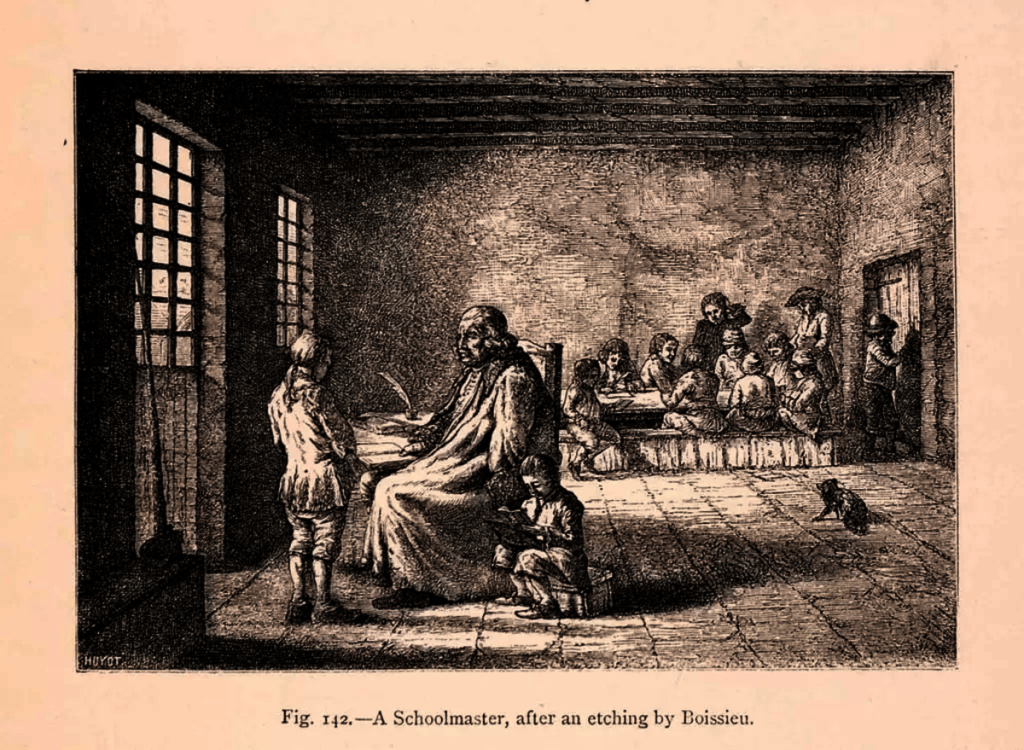
Classical education has had a profound influence on modern society, shaping our understanding of history, literature, science, and philosophy. Rooted in ancient Greece and Rome, classical education emphasizes the development of critical thinking skills and a broad knowledge base through the study of classical texts. While it may seem archaic in today’s fast-paced world, classical education continues to be relevant and impactful in shaping well-rounded individuals.
One of the key features of classical education is its focus on liberal arts. The term “liberal” comes from the Latin word “liber,” meaning free or unrestricted. Liberal arts encompass subjects such as language, literature, mathematics, natural sciences, social sciences, and philosophy. By studying these diverse disciplines, students gain a comprehensive understanding of the world around them.
The study of language is central to classical education. In ancient times, Greek and Latin were considered foundational languages for educated individuals. Mastery of these languages was seen as essential for accessing great works of literature and engaging with complex ideas. Today’s classical schools continue this tradition by teaching Latin or Greek alongside modern languages.
By learning Latin or Greek roots, students are better equipped to understand unfamiliar words they encounter in their everyday lives. Moreover, studying these ancient languages allows students to read classic texts in their original form without relying on translations that may lose some nuances or subtleties present in the original text.
Literature also plays a crucial role in classical education as it teaches empathy and fosters an appreciation for beauty and craftsmanship in writing. Classical texts like Homer’s “Iliad” or Virgil’s “Aeneid” provide insight into human nature while demonstrating timeless themes that resonate with readers across centuries.
In addition to language and literature studies, mathematics forms another cornerstone within classical education. Mathematics cultivates logical thinking skills by presenting problems that require clear reasoning steps to solve them. Euclidean geometry serves as an example where students learn how to prove statements using axioms and deductive reasoning. This analytical approach to problem-solving is transferable to various other disciplines, helping students navigate complex scientific or philosophical concepts.
The study of history is also integral to classical education. By examining the rise and fall of ancient civilizations, students gain valuable insights into human nature, societal structures, and the consequences of certain actions. The study of history allows individuals to learn from past mistakes and successes while developing a sense of cultural appreciation and global awareness.
Moreover, classical education emphasizes the importance of philosophy as it encourages students to think critically about life’s fundamental questions. Students explore ethical theories, metaphysics, epistemology, and political philosophy – all vital subjects for fostering an understanding of oneself in relation to others and the world at large.
Classical education also promotes the development of strong moral character through its emphasis on virtues such as integrity, perseverance, respect for others, and self-discipline. These values are integrated into every aspect of a student’s education journey. By upholding high standards and encouraging ethical behavior, classical education aims to produce well-rounded individuals who contribute positively to society.
While some argue that classical education may be too focused on preserving antiquated knowledge at the expense of more contemporary subjects like technology or entrepreneurship, proponents believe that its timeless principles provide a solid foundation upon which modern skills can be built. Classical graduates often excel in areas requiring critical thinking abilities due to their rigorous training in logic-based reasoning.
Furthermore, classical education fosters curiosity by teaching students how to ask meaningful questions rather than simply seeking quick answers. This mindset prepares them for lifelong learning – an essential skill in today’s rapidly changing world where adaptability is key.
In recent years there has been a resurgence in interest towards alternative forms of schooling including homeschooling or attending non-traditional schools inspired by classical educational principles. Parents seek out these options because they value the holistic approach offered by classical education that goes beyond standardized testing or rote memorization commonly found in mainstream educational systems.
In conclusion, classical education continues to exert a significant influence on modern society. Its emphasis on liberal arts, language, literature, mathematics, history, and philosophy provides students with a well-rounded education that cultivates critical thinking skills and fosters an appreciation for lifelong learning. By drawing upon the wisdom of ancient civilizations and embracing timeless values, classical education equips individuals to navigate the complexities of the modern world while contributing positively to society.
 Alternative Amie
Leave a comment