Differentiated Instruction: A Revolutionary Approach to Education
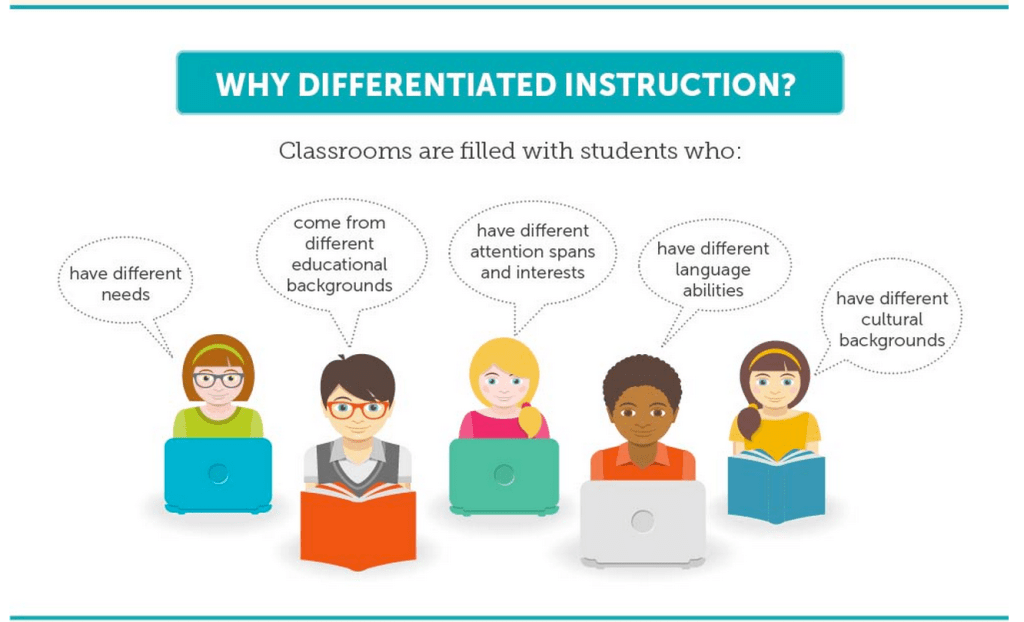
In traditional classrooms, teachers often face the challenge of meeting the diverse needs of their students. Students come from various backgrounds, possess different learning styles, and have unique strengths and weaknesses. Enter differentiated instruction – an educational approach that recognizes these differences and tailors instruction to meet individual student needs.
What is Differentiated Instruction?
Differentiated instruction is a teaching philosophy that acknowledges the fact that no two students are exactly alike. It emphasizes adapting curriculum, instructional strategies, and assessment methods to cater to the diverse needs of learners. Rather than expecting all students to learn in the same way at the same pace, this approach allows for flexibility and personalization in education.
How Does Differentiated Instruction Work?
Differentiation involves three key elements: content, process, and product.
1. Content Differentiation:
Teachers present information through various mediums such as text, visuals, audio recordings or videos to accommodate different learning preferences. They also provide multiple resources at varying levels of complexity to ensure all students can access appropriate materials based on their abilities.
For example, while teaching a history lesson on World War II, a teacher might assign different readings or articles based on reading level or provide additional resources for students who want more challenging material.
2. Process Differentiation:
Recognizing that students may have different ways of processing information effectively; teachers offer a range of instructional activities suited for distinct learning styles – visual learners might benefit from diagrams or charts while auditory learners prefer discussions or lectures.
To continue with our history lesson example: during group work sessions about World War II battleships, kinesthetic learners could build models using craft supplies while verbal/linguistic learners participate in debates about strategies used by opposing forces.
3. Product Differentiation:
When it comes time for assessments or projects where students demonstrate what they’ve learned; differentiation offers choices regarding how they express their understanding creatively – written reports/papers/audiovisual presentations/demonstrations. Students are more engaged in the learning process when they have agency over how they showcase their knowledge.
Benefits of Differentiated Instruction:
1. Individualized Learning: Differentiation ensures that each student’s unique needs and strengths are met, providing them with an individualized education experience.
2. Increased Engagement: By incorporating various teaching methods and activities, students become more engaged in their learning, leading to improved motivation and interest in the subject matter.
3. Higher Achievement Levels: When students receive instruction tailored to their abilities and learning styles, academic performance typically improves.
4. Inclusive Classroom Environment: Differentiated instruction fosters a sense of inclusivity by valuing diversity and creating an environment where all students feel included and supported.
5. Preparation for Real-World Challenges: In today’s diverse society, adaptability is crucial for success beyond school walls; differentiated instruction equips students with skills necessary to navigate real-world challenges effectively.
Implementing Differentiated Instruction:
Teachers can implement differentiated instruction through careful planning, ongoing assessment, flexible grouping strategies (such as small groups or one-on-one support), and open communication with students about their individual goals and progress.
In conclusion, differentiated instruction is a transformative approach that recognizes the uniqueness of every student’s learning journey. By embracing this philosophy, educators can create inclusive classrooms where all learners thrive academically while developing essential life skills needed for success in the 21st century.
 Alternative Amie
Leave a comment