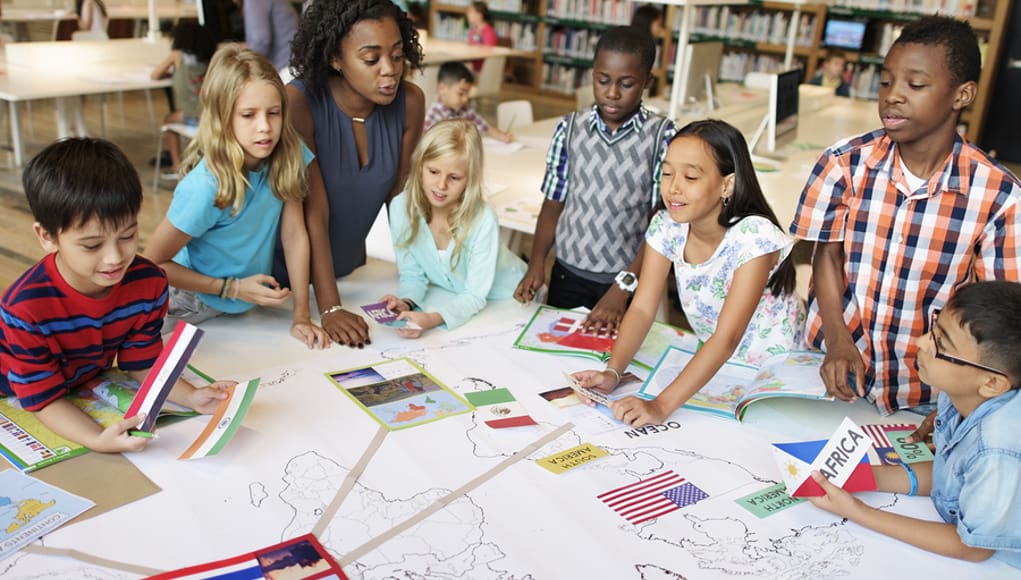
Geography is a fascinating subject that encompasses the study of Earth’s physical features, climate, populations, and landscapes. It allows us to understand the world we live in and appreciate its diversity. Traditional geography education often focuses on memorizing facts about countries, capitals, and rivers. However, alternative methods of teaching geography have emerged in recent years that provide a more engaging and holistic approach to learning.
One such approach is project-based learning, where students actively participate in real-world projects related to geography. For example, they can create maps using GIS (Geographic Information System) technology or conduct field studies to examine local ecosystems. By immersing themselves in hands-on activities, students develop critical thinking skills and gain a deeper understanding of geographic concepts.
Another alternative method is place-based education, which emphasizes connecting classroom learning with the local community. Students explore their own surroundings while studying various geographical aspects such as landforms, climate patterns, or cultural heritage. This approach not only makes learning more relevant but also fosters a sense of connection between students and their environment.
Incorporating technology into geography studies has also become increasingly popular. Virtual field trips allow students to explore different parts of the world without leaving their classrooms. They can use online mapping tools like Google Earth to investigate remote locations or collaborate with peers from different regions through video conferencing platforms. Technology provides an immersive experience that enhances engagement and expands students’ global perspective.
Furthermore, interdisciplinary approaches are gaining traction within geography education as they promote connections between various subjects like history, science, literature or even art. For instance, by studying historical events alongside geographical contexts – such as tracing trade routes during the Age of Exploration – students gain a richer understanding of both subjects simultaneously.
Finally yet importantly is experiential learning which encourages direct interaction with nature and real-world environments through field trips or outdoor activities like hiking or camping trips.These experiences enable learners to observe geographic phenomena firsthand – be it rock formations, weather patterns, or cultural practices – and develop a deeper appreciation for the world around them.
In conclusion, alternative methods of teaching geography provide students with engaging and holistic learning experiences. Project-based learning, place-based education, technology integration, interdisciplinary approaches and experiential learning all offer unique opportunities to explore and understand our planet. By adopting these innovative approaches in geography studies, educators can inspire curiosity and foster a lifelong love for exploring the wonders of Earth.
 Alternative Amie
Leave a comment