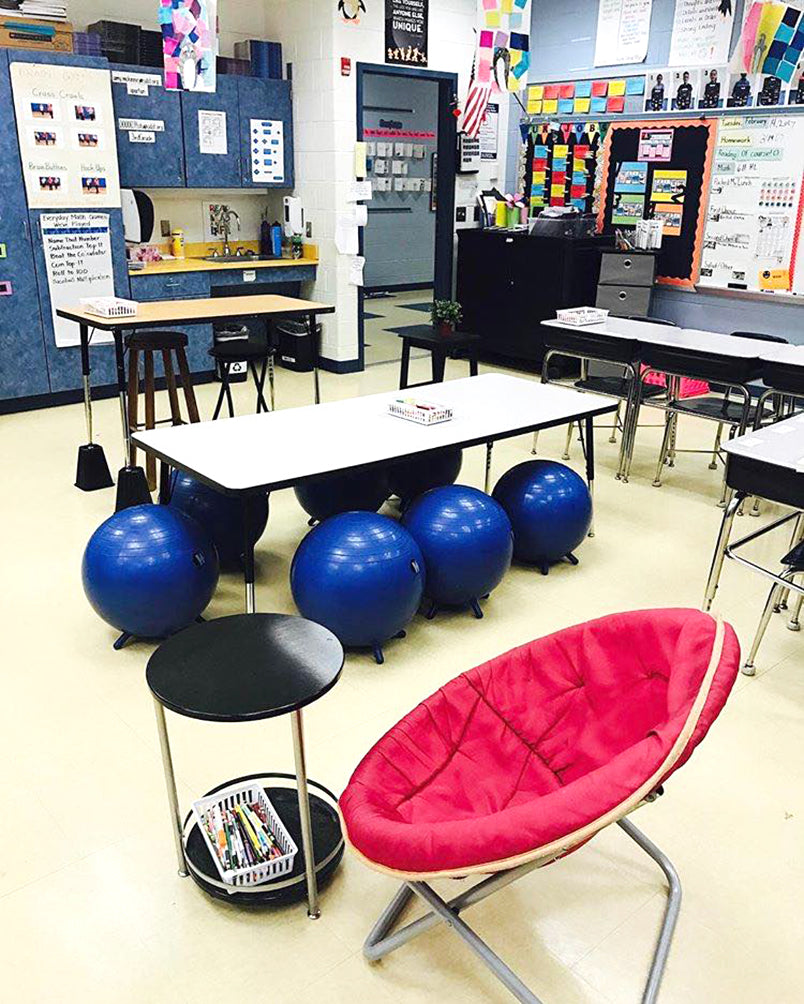
Flexible Seating: Creating a Positive Learning Environment
In traditional classroom settings, students are often confined to rigid desks and chairs, which can limit their physical movement and hinder their learning experience. However, in recent years, there has been a growing trend towards flexible seating arrangements in schools. This innovative approach aims to create a dynamic and engaging environment that promotes student choice, independence, collaboration, and ultimately enhances their overall learning experience.
What is Flexible Seating?
Flexible seating is an alternative to the traditional classroom setup where students have the freedom to choose from various seating options based on their individual preferences and needs. These options may include bean bag chairs, exercise balls, standing desks, floor cushions, stools or even small couches. The goal is to provide students with comfortable furniture that allows them to engage with the material in a way that suits them best.
The Impact on Student Behavior
One of the most significant benefits of flexible seating is its positive impact on student behavior. By giving students more control over how they sit during class time allows them to feel empowered and respected as individuals. When children feel valued and understood by their teachers, they become more motivated to actively participate in class discussions and complete assignments.
Moreover, flexible seating encourages movement throughout the day – it enables fidgety students who struggle with sitting still for long periods of time an opportunity for controlled movement without disrupting others’ learning experiences. This freedom of movement has been proven effective in reducing restlessness while increasing focus levels among students.
Additionally, flexible seating fosters collaboration among peers since it provides opportunities for group work or partner activities facilitated by easily movable furniture pieces. Students can rearrange seats according to project requirements or personal preferences for optimal teamwork conditions. Collaborative efforts not only enhance social skills but also stimulate critical thinking abilities as diverse perspectives come together during brainstorming sessions.
Promoting Independence
Another advantage of allowing flexibility within classrooms is promoting independence among learners. Unlike conventional setups where teacher-led instruction is the primary focus, flexible seating encourages students to take ownership of their learning experience. They can choose a seat that best suits their individual needs and learning preferences, helping them feel more comfortable and engaged in the educational process.
With flexible seating arrangements, students become responsible for managing their own space. They learn to make informed decisions about where they will be most productive and attentive during class time. This responsibility nurtures self-discipline and organizational skills as they must ensure that they are prepared with necessary materials before settling into their chosen spot.
Creating a Positive Learning Environment
Flexible seating creates a positive learning environment by fostering inclusivity and adaptability. Traditional classrooms often cater to a one-size-fits-all approach, which may not suit every student’s unique needs or abilities. However, with flexible seating options available, teachers can accommodate individuals with physical disabilities or sensory sensitivities more effectively.
Moreover, flexible seating arrangements enable educators to design spaces that support different types of learners. Some students thrive in quiet corners away from distractions while others prefer collaborating in groups or working near the teacher for guidance – adjustable furniture allows for these diverse needs to be met within the same classroom setting.
Teachers play an essential role in facilitating this positive environment by providing clear guidelines on how to use flexible seating appropriately while ensuring fairness among all students. By encouraging open communication between teacher and student regarding expectations for behavior and engagement levels, everyone benefits from consistent routines established within the classroom.
Challenges and Considerations
While there are numerous advantages associated with implementing flexible seating strategies, it is crucial not to overlook potential challenges or considerations when adopting this approach:
1. Classroom management: Teachers must establish clear rules regarding movement limitations within the classroom space so as not to disrupt other students’ concentration.
2. Potential distraction: Depending on the personalities of students involved, some may find certain seats or arrangements distracting rather than helpful.
3. Transition times: Rearranging furniture can consume valuable instructional time if not managed effectively. Teachers should develop strategies to minimize disruptions during transitions.
4. Budget constraints: Implementing flexible seating may require financial investment in purchasing suitable furniture or adapting existing resources. Schools must consider budgetary implications before making the switch.
Conclusion
Flexible seating is a transformative approach that positively impacts student behavior, enhances engagement, promotes independence, and creates a positive learning environment in alternative education settings. By providing students with more control over their learning space and facilitating movement and collaboration, educators can foster an atmosphere of creativity, inclusivity, and personal growth.
While challenges exist when implementing flexible seating arrangements, the benefits far outweigh them. Students thrive when given the opportunity to choose their preferred seating options based on individual needs and learning styles. As we continue to explore new ways of improving education outcomes for all students, it’s crucial that we embrace innovative approaches like flexible seating to create classrooms that inspire lifelong learners.
 Alternative Amie
Leave a comment