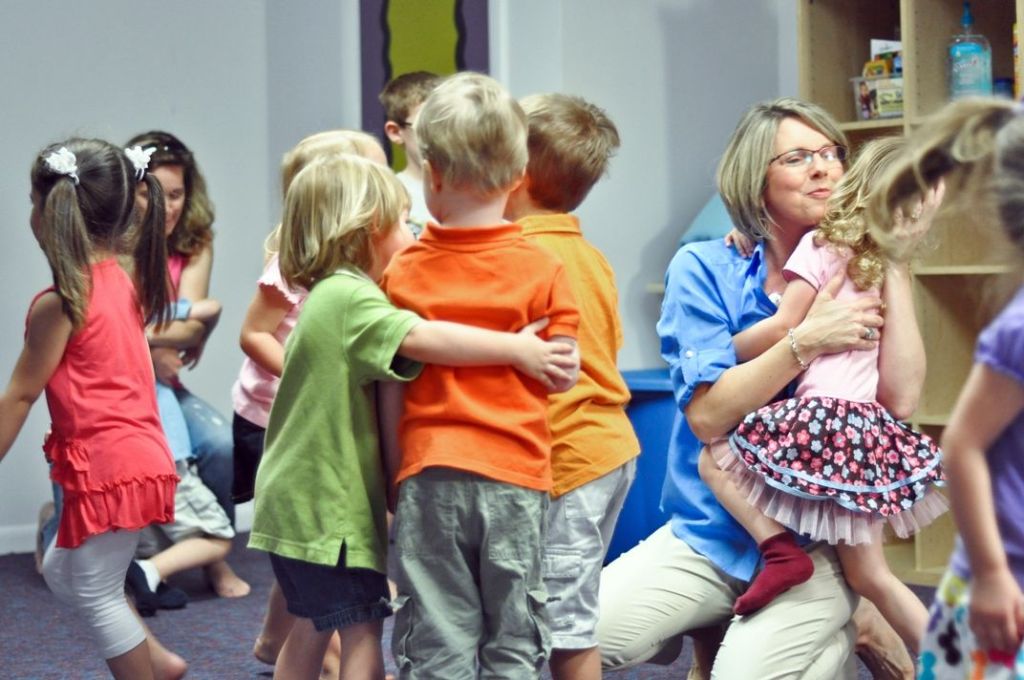
Social-emotional development is a crucial aspect of a child’s overall growth and well-being. It refers to the ability to understand and manage one’s emotions, establish positive relationships with others, and effectively communicate thoughts and feelings. While traditional schooling often focuses on academic achievements, alternative education approaches recognize the significance of fostering social-emotional skills alongside cognitive abilities.
One key element in promoting social-emotional development is creating a supportive and inclusive learning environment. Alternative schools strive to create spaces where students feel safe, respected, and valued for who they are. This foundation allows children to develop self-confidence and self-awareness, enabling them to express their emotions freely without fear of judgment or rejection. Teachers play a vital role in modeling empathy, active listening, conflict resolution strategies, and other essential social skills.
Another important component is incorporating activities that promote emotional intelligence. Emotional intelligence involves recognizing and understanding one’s own emotions as well as empathizing with the emotions of others. Alternative schools often incorporate mindfulness exercises into their curriculum to help students become more aware of their thoughts and feelings. These practices can include deep breathing exercises, meditation sessions, or journaling prompts that encourage reflection.
Additionally, alternative schooling recognizes the value of cooperative learning experiences in developing social skills. Collaborative projects allow students to work together towards common goals while practicing effective communication techniques such as active listening, compromising, problem-solving, and giving constructive feedback. These experiences not only enhance interpersonal skills but also foster teamwork abilities that are valuable throughout life.
Alternative education approaches also emphasize building strong connections between students themselves as well as with teachers and staff members. Small class sizes facilitate meaningful relationships where each student feels seen and heard by their peers and educators alike. Opportunities for group discussions or circle time provide platforms for sharing personal experiences or challenges openly while receiving support from classmates.
Furthermore, alternative schools often integrate community involvement into their programs by organizing volunteering initiatives or inviting guest speakers from diverse backgrounds into the classroom setting. These activities expose students to different perspectives, cultures, and experiences, promoting empathy and acceptance.
In conclusion, alternative schooling recognizes the importance of social-emotional development alongside academic growth. By creating a supportive and inclusive environment, incorporating activities that promote emotional intelligence, fostering cooperative learning experiences, building strong connections between students and educators, and engaging with the larger community, alternative education approaches provide holistic support for a child’s social-emotional well-being.
 Alternative Amie
Leave a comment