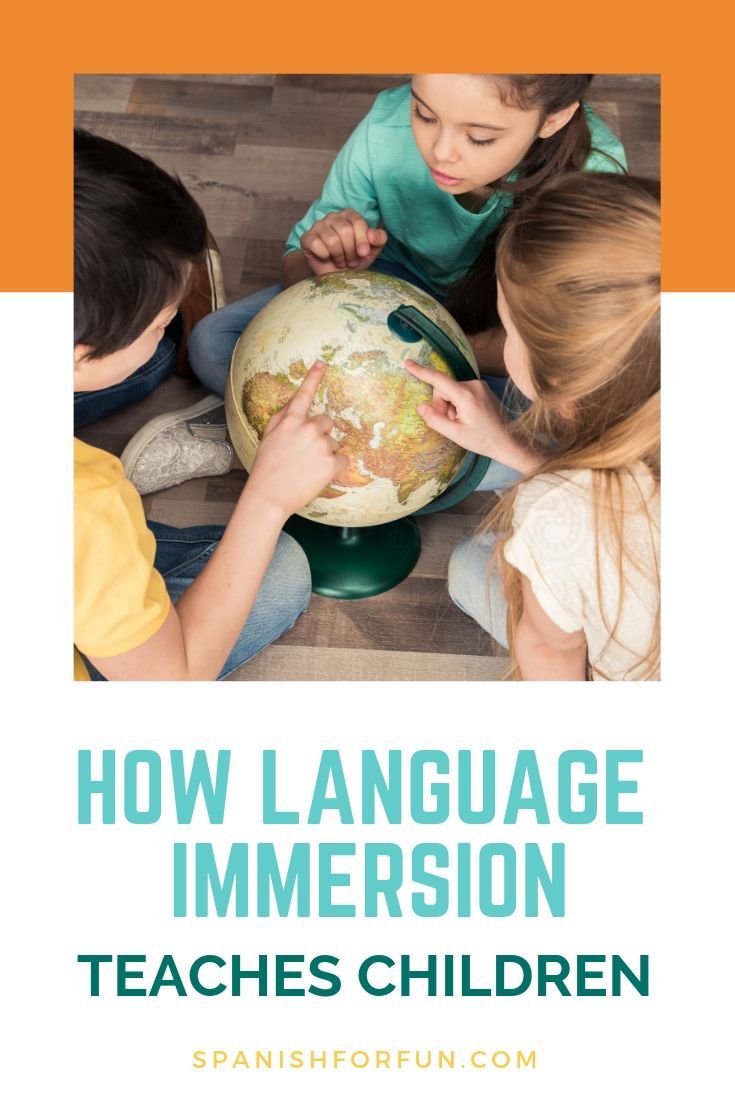
Language Immersion: Exploring its Benefits in Various Settings
Language immersion programs have gained popularity in recent years as an effective way to learn a new language. By immersing oneself in an environment where the target language is spoken, individuals can quickly develop fluency and gain a deeper understanding of the culture associated with that language. While language immersion has been widely embraced in traditional educational settings, its benefits extend far beyond the classroom. In this article, we will explore how language immersion can be beneficial for various groups, including children with special needs, individuals living in rural areas, senior citizens, indigenous communities, and many others.
1. Language Immersion for Children with Special Needs:
Language immersion programs have proven to be highly effective for children with special needs. Immersive environments provide a multisensory experience that engages different learning styles and enhances communication skills. Additionally, these programs promote social interaction and inclusion among diverse groups of learners.
2. Language Immersion in Rural Areas:
Rural areas often lack access to comprehensive language education opportunities due to limited resources or geographical isolation. Language immersion programs can bridge this gap by bringing immersive experiences directly to these communities through mobile classrooms or online platforms.
3. Language Immersion for Senior Citizens:
Learning a new language has numerous cognitive benefits for senior citizens, such as improved memory retention and mental agility. Moreover, it provides seniors with an opportunity to engage socially and connect with younger generations who may speak the target language.
4. Language Immersion and Cultural Preservation:
In today’s globalized world, preserving cultural heritage is crucial. Language immersion serves as a powerful tool in preserving languages at risk of extinction by fostering pride and awareness within indigenous communities or minority populations.
5.Language Immersion for Indigenous Communities:
For indigenous communities striving to maintain their heritage languages amidst rapid globalization processes, language immersion provides a means of revitalization while simultaneously instilling cultural pride among younger generations.
6.Language Immersion and Technology Integration:
The integration of technology into language immersion programs opens up countless possibilities for immersive experiences, both in and outside the classroom. Virtual reality, online language exchanges, and interactive apps can enhance language learning by providing realistic scenarios and authentic cultural content.
7.Language Immersion for Homeschooling Families:
Many families opt for homeschooling to provide tailored education to their children. Language immersion fits well within this model as it offers a comprehensive approach to language learning that can be adapted to fit individual needs and preferences.
8.Language Immersion and Mental Health Benefits:
Language learning has been linked to improved mental health outcomes, including reduced stress levels, enhanced cognitive abilities, and increased self-confidence. The immersive nature of language immersion programs further amplifies these benefits.
9.Language Immersion in Non-Traditional School Settings:
Language immersion need not be limited to traditional school settings. Alternative schools or educational philosophies such as Montessori or Waldorf can incorporate immersive approaches into their curriculum, promoting holistic development among students.
10.Language Immersion and Language Revitalization Efforts:
In regions where minority languages are at risk of disappearing, language immersion plays a crucial role in revitalization efforts. By creating an environment where the target language is spoken regularly, communities can rekindle interest in their heritage languages among younger generations.
11.Language Immersion for Adults in the Workforce:
Proficiency in multiple languages is increasingly valued in today’s job market due to global business opportunities. Language immersion programs targeted towards professionals provide them with the necessary skills to communicate effectively across cultures and enhance career prospects.
12.Language Immersion and Bilingual Education Policies:
Language immersion aligns with bilingual education policies that aim to cultivate citizens who are proficient in more than one language. These programs promote linguistic diversity while fostering understanding between different linguistic communities.
13.Language Immersion and Social Inclusion:
By engaging individuals from various backgrounds through shared language learning experiences, language immersion fosters social inclusion among diverse groups of learners. This promotes empathy, understanding, and cultural exchange.
14.Language Immersion for Refugees and Immigrants:
Language immersion programs can be particularly beneficial for refugees and immigrants seeking to integrate into a new society. By immersing themselves in the language of their host country, individuals can accelerate their language acquisition process and facilitate their social integration.
15.Language Immersion and Heritage Language Maintenance:
For communities where heritage languages are spoken at home but not widely used outside, language immersion programs provide an opportunity to strengthen proficiency in the heritage language while also facilitating bilingualism.
16.Language Immersion in Online Learning Environments:
The rise of online learning platforms has made language immersion more accessible than ever before. Individuals from all over the world can engage in immersive experiences through virtual classrooms, video conferencing, or interactive apps.
17.Language Immersion and Intergenerational Communication:
Language immersion programs bring people of different age groups together through a shared goal of language learning. This fosters intergenerational communication and allows younger generations to learn from the wisdom of older adults.
18.Language Immersion in Alternative Education Philosophies:
Alternative education philosophies such as Steiner or Reggio Emilia often emphasize holistic development. Language immersion aligns well with these approaches by offering a comprehensive learning experience that integrates linguistic, cultural, and social aspects.
19.Language Immersion and Global Citizenship Education:
Global citizenship education aims to foster awareness about global issues while promoting cross-cultural understanding. Language immersion plays a crucial role in this endeavor by enabling individuals to communicate effectively across borders.
20.Language Immersion for Individuals with Learning Disabilities:
Language immersion programs tailored to individuals with learning disabilities offer an inclusive approach that combines linguistic skills development with specialized support services. These programs empower individuals to overcome barriers while acquiring new languages.
In conclusion, language immersion goes beyond traditional educational settings by providing unique benefits for various groups. From children with special needs to senior citizens seeking mental stimulation or rural communities lacking access to comprehensive language education, the immersive approach offers a powerful way to learn languages while fostering cultural understanding and inclusion. As language immersion continues to evolve in response to changing needs and technological advancements, its potential for positive impact will only grow stronger.
 Alternative Amie
Leave a comment