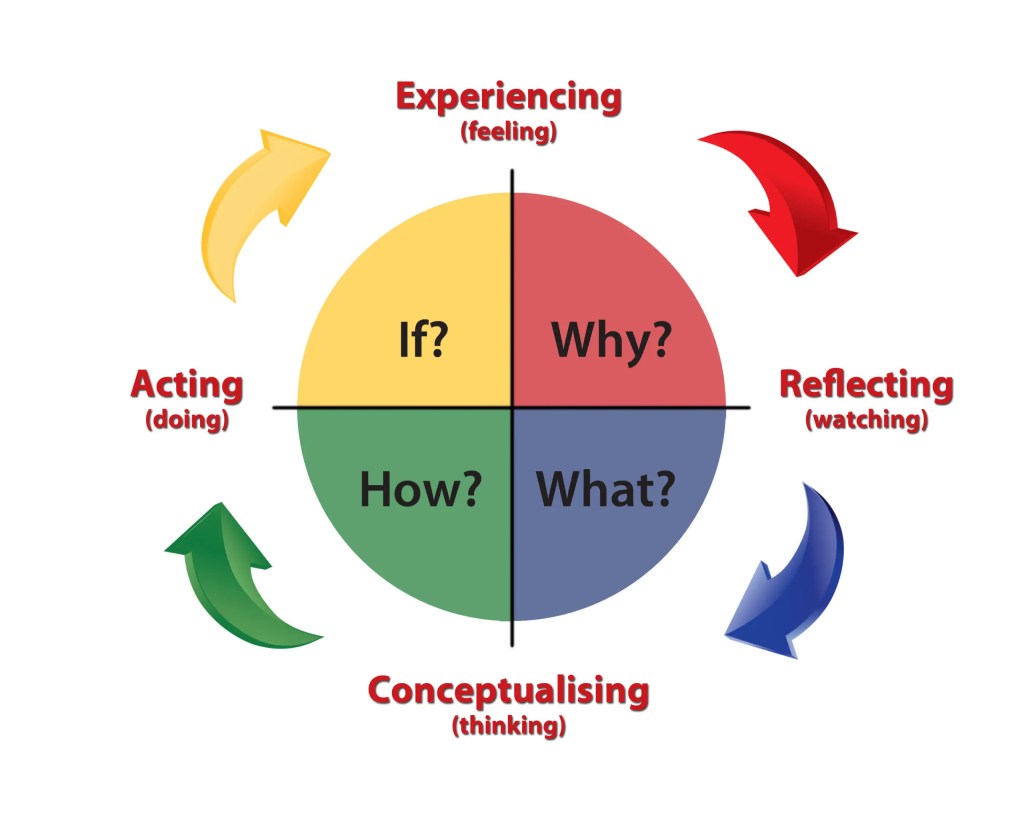
Experiential Learning: Unlocking the Full Potential of Alternative Education
In recent years, there has been a growing interest in alternative schooling and education methods. One approach that has gained significant attention is experiential learning. Unlike traditional classroom-based learning, experiential learning focuses on hands-on experiences to foster deep understanding and skill development. In this article, we will explore the concept of experiential learning and its benefits in unlocking the full potential of alternative education.
Experiential learning can take many forms, including internships, field trips, simulations, project-based assignments, and outdoor activities. The key principle behind this approach is that learners acquire knowledge through direct experience and reflection on those experiences. This active engagement facilitates a deeper understanding of concepts while developing critical thinking skills.
One prominent advantage of experiential learning is its ability to bridge the gap between theory and practice. Traditional educational models often prioritize theoretical knowledge without providing ample opportunities for practical application. Experiential learning allows students to immerse themselves in real-world scenarios where they can apply what they have learned in a meaningful way.
Furthermore, experiential learning promotes active participation and collaboration among students. When engaged in group projects or hands-on activities outside the classroom setting, learners are encouraged to work together towards achieving common goals. This collaborative environment fosters teamwork skills while teaching individuals how to effectively communicate their ideas with others.
Another key benefit of experiential learning lies in its capacity to cater to different types of learners. Not all individuals thrive under traditional teaching methods that rely heavily on lectures or textbooks. Experiential learning recognizes that people have diverse interests and preferences when it comes to acquiring knowledge. By offering various avenues for exploration and discovery, this approach allows students with different strengths – such as kinesthetic or visual learners – to excel.
Moreover, experiential learning enhances student engagement by making education more relevant and personally meaningful. When students actively participate in real-world experiences, they can connect their learning to their own lives and interests. This connection fuels motivation and curiosity, prompting learners to delve deeper into the subject matter.
Experiential learning also cultivates essential life skills beyond academic knowledge. Through direct experience, students develop problem-solving abilities, adaptability, resilience, and decision-making skills. These transferable skills are highly valued in today’s rapidly changing world and are crucial for success in both professional and personal endeavors.
To fully harness the potential of experiential learning in alternative education settings, it is important to provide adequate support structures. Educators should design well-structured experiential activities that align with curriculum goals while allowing flexibility for student exploration. Additionally, reflection on the experience plays a vital role in consolidating the lessons learned and connecting them back to theoretical concepts.
In conclusion, experiential learning offers a dynamic approach that complements alternative schooling and education methods. By emphasizing hands-on experiences, collaboration, relevance, and skill development, this approach unlocks the full potential of learners by bridging theory with practice. As educators continue to explore innovative approaches to education, incorporating experiential learning can create transformative educational experiences that empower students for lifelong success.
 Alternative Amie
Leave a comment