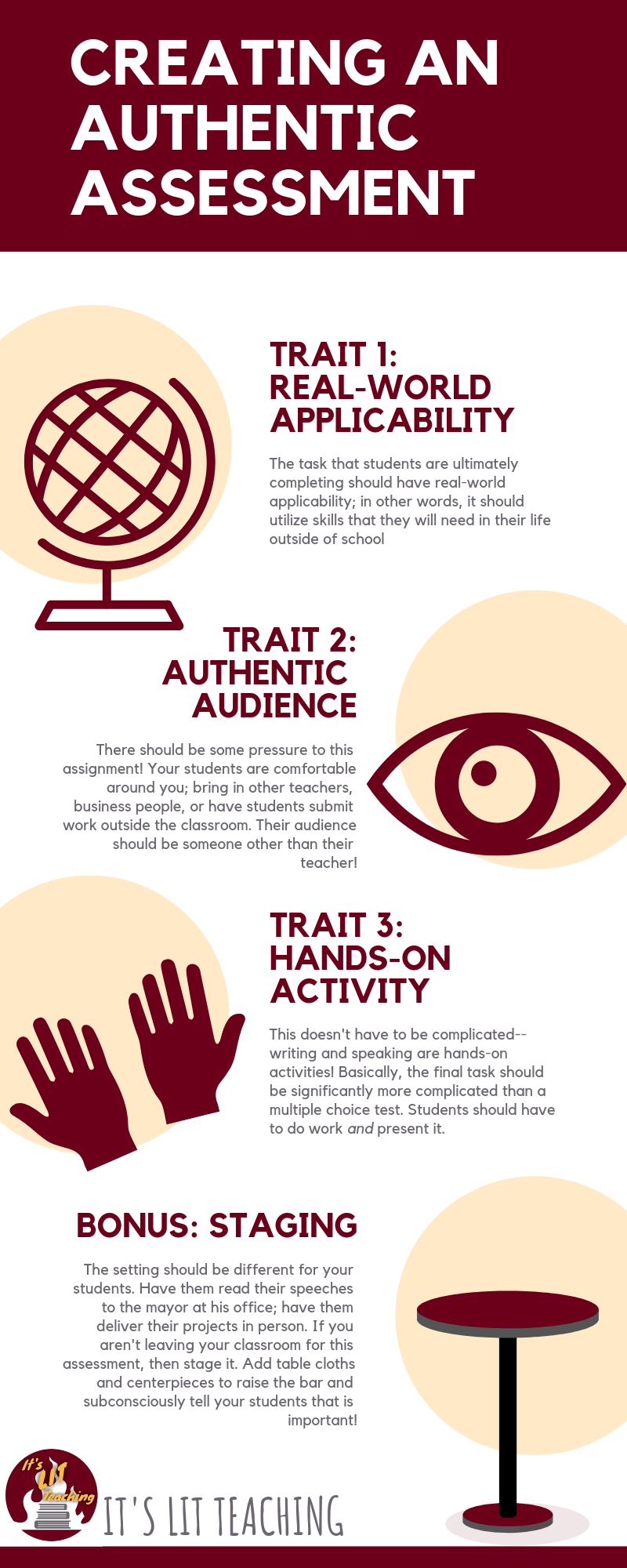
Authentic assessment refers to the process of evaluating a student’s knowledge and skills in real-world contexts, rather than relying solely on traditional tests and exams. This approach allows students to apply their learning to authentic situations, promoting deeper understanding and transferable skills.
Student autonomy and choice are key components of project-based learning. Students have the freedom to choose topics that interest them, allowing for personalized learning experiences. By giving students autonomy, they become more engaged in their work and take ownership of their learning.
Inquiry-based learning is an approach that encourages students to ask questions, investigate problems, and explore solutions independently or collaboratively. It fosters curiosity, critical thinking, problem-solving skills, and a love for lifelong learning.
Collaborative projects involve students working together in groups to complete tasks or solve problems. This promotes teamwork, communication skills, negotiation abilities, empathy towards others’ perspectives, and appreciation for diverse ideas.
Community partnerships enable students to connect with local organizations or individuals outside the school environment. By collaborating with professionals or community members who are experts in specific fields, students gain valuable insights into real-world issues while contributing meaningfully to their communities.
Technology integration plays a crucial role in modern education. The use of technology tools helps facilitate research processes; enables communication beyond classroom walls; supports creativity through multimedia production; provides access to online resources; promotes collaboration through virtual platforms; enhances presentation skills through digital media creation; and prepares students for future careers where technology is prevalent.
Project management skills are essential for successful project-based learning experiences. Students learn how to plan their work effectively by setting goals, creating timelines, allocating resources efficiently,
and monitoring progress throughout the project duration.
Cross-curricular connections involve integrating multiple subjects or disciplines within a single project. This interdisciplinary approach allows students to make connections between different areas of knowledge while solving complex problems that require diverse skill sets.
Problem-solving skills are developed through project-based learning as students encounter real-world challenges that require critical thinking, creativity, and innovation. They learn to analyze problems, generate multiple solutions, evaluate options, make informed decisions, and reflect on their problem-solving processes.
Critical thinking skills are nurtured through project-based learning by encouraging students to question assumptions, evaluate evidence, analyze information critically,
and think independently. This prepares them for making informed judgments and solving complex problems in various contexts.
Creativity and innovation are fostered through project-based learning as students have the freedom to explore their interests and find unique solutions to problems. By encouraging divergent thinking,
students develop creative skills that can be applied across disciplines.
Reflection and self-assessment are integral parts of project-based learning. Students are encouraged to think deeply about their work,
analyze their strengths and weaknesses,
and identify areas for growth. This metacognitive process promotes self-awareness,
self-regulation,
and continuous improvement.
Global perspectives in projects expose students to diverse cultures,
perspectives,
and global issues.
This helps them develop empathy towards others;
appreciation for cultural diversity;
respect for different viewpoints;
and a sense of global citizenship.
Differentiation in project design ensures that all learners’ needs are addressed.
Teachers tailor instruction based on individual abilities;
learning styles;
interests; or academic levels.
This allows each student to engage meaningfully in the project
while challenging themselves appropriately.
Project-based learning can also be integrated into STEM subjects (science,
technology,
engineering,
mathematics),
where students apply scientific inquiry methods
to solve real-world problems using technological tools
and engineering principles while developing mathematical reasoning skills.
Social-emotional learning (SEL) is an essential component of project-based learning.
Students develop interpersonal skills such as communication;
collaboration; empathy; resilience; perseverance; self-management strategies; emotional intelligence; conflict resolution techniques;
leadership qualities needed for success in personal relationships
as well as future careers.
Project-based learning can be adapted for special education students by providing appropriate accommodations and modifications.
Teachers can scaffold learning,
provide additional support,
and adapt the project tasks to meet individual needs while maintaining high expectations for student achievement.
Outdoor and environmental projects offer students opportunities to engage with nature,
develop environmental awareness, and explore ecological issues. These projects promote hands-on learning experiences
and foster a sense of stewardship towards the environment.
Entrepreneurship and business projects allow students to develop essential skills such as problem-solving;
creativity; critical thinking;
communication; collaboration;
financial literacy; marketing strategies; and leadership skills needed for future careers in entrepreneurship or business fields.
Cultural diversity in project work encourages students to explore diverse cultures, traditions, languages, art forms, histories, and perspectives. This promotes cultural understanding,
appreciation for diversity,
and prepares students to thrive in multicultural societies.
Service-learning projects combine community service with academic learning objectives.
Students engage in meaningful service activities that address real community needs while applying their knowledge and skills gained through project-based learning.
Project-based learning can also be adapted for early childhood education by providing age-appropriate tasks that align with developmental milestones.
Young children learn through hands-on exploration,
playful inquiry processes;
and engaging activities that stimulate their curiosity
while promoting cognitive development
social-emotional growth;
physical development; creativity; problem-solving abilities; language acquisition;
and early literacy skills.
Assessment strategies for project-based learning focus on evaluating both process (e.g., teamwork, research process) and product (e.g., final presentation) aspects of the project.
Rubrics are commonly used tools that provide clear criteria
for assessing various dimensions of student performance.
Other assessment methods include self-assessments,
peer evaluations,
portfolios of student work, teacher observations,and reflections on the overall learning experience
Project-based learning can be tailored to meet the unique needs of gifted students by providing more complex challenges,
opportunities for independent research,
authentic applications of knowledge/skills beyond grade-level expectations,
and extension activities that allow for deeper exploration of topics.
Project-based learning can also be beneficial for at-risk students, providing them with meaningful and engaging learning experiences that promote motivation,
relevance to their lives,
and success beyond traditional classroom settings.
By connecting academic content to real-world issues and interests, project-based learning can help at-risk students see the value in education and develop essential skills for future success.
Arts integration in project work involves incorporating various art forms (e.g.,
visual arts, music, dance) into project-based learning experiences.
This encourages creativity,
self-expression;
cultural appreciation; aesthetic awareness;
and enhances overall engagement and enjoyment of the learning process.
 Alternative Amie
Leave a comment