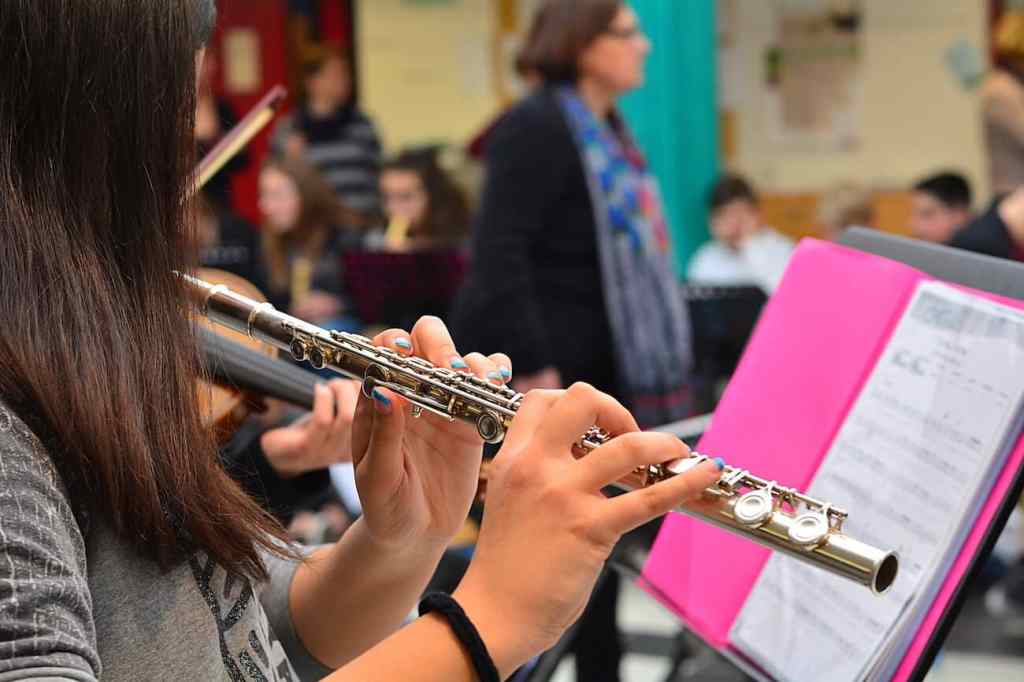
Music has always been an integral part of human culture. From ancient times to the present, it has served as a form of expression, entertainment, and communication. But music is not just about catchy tunes and lyrics; it has a profound impact on our emotions, cognitive abilities, and overall well-being. In recent years, alternative schooling and education programs have recognized the power of music in promoting learning and personal development.
One way that music can enhance education is through its effect on memory and retention. Numerous studies have shown that incorporating music into the learning process can improve information recall. This phenomenon is commonly known as the “Mozart effect,” which suggests that listening to classical music can boost brain activity linked to spatial-temporal reasoning. Thus, playing background music during study sessions or using mnemonic devices set to melodies can help students retain information more effectively.
Furthermore, engaging with music can stimulate creativity and problem-solving skills. Learning to play a musical instrument requires discipline, practice, and perseverance – all essential qualities for success in any field. As students explore different melodies or create their own compositions, they develop their ability to think outside the box and find innovative solutions.
Additionally, music fosters social connections among students by providing opportunities for collaboration and teamwork. Participating in school bands or choirs allows students with similar interests to come together and work towards a common goal while building relationships based on shared passions. Through these experiences, young learners develop important interpersonal skills such as communication, empathy, compromise, leadership abilities – qualities that are highly valued in today’s interconnected world.
Moreover, exposure to various genres of music expands cultural awareness among students. By exploring different musical styles from around the world – traditional folk songs or contemporary global hits – learners gain insights into diverse cultures’ values and traditions. This exposure encourages tolerance and broadens perspectives by highlighting similarities rather than differences between people from various backgrounds.
Music also plays a crucial role in emotional well-being by providing an outlet for self-expression and stress relief. Engaging with music has been linked to the release of endorphins, known as “feel-good” hormones that can reduce anxiety and boost mood. Whether through listening, singing, or playing an instrument, students can find solace in music during challenging times and use it as a healthy coping mechanism.
In recent years, alternative schooling programs have recognized these benefits and incorporated music into their curricula. They offer specialized courses in musical theory, history, composition, and performance alongside traditional subjects such as math and science. These programs provide students with a well-rounded education that nurtures their creativity while fostering critical thinking skills necessary for academic success.
Moreover, technology has made music more accessible than ever before. Online platforms allow students to learn instruments remotely or explore various genres at their own pace. Virtual reality experiences enable them to attend live concerts or visit renowned musicians’ studios from the comfort of their classrooms.
In conclusion, incorporating music into alternative schooling and education programs offers numerous benefits for students’ cognitive development, emotional well-being, social connections, cultural awareness, and creative expression. By recognizing the power of music beyond mere entertainment value, educators can create enriching learning environments where students thrive academically while nurturing their passion for melodies that transcend borders and cultures.
 Alternative Amie
Leave a comment