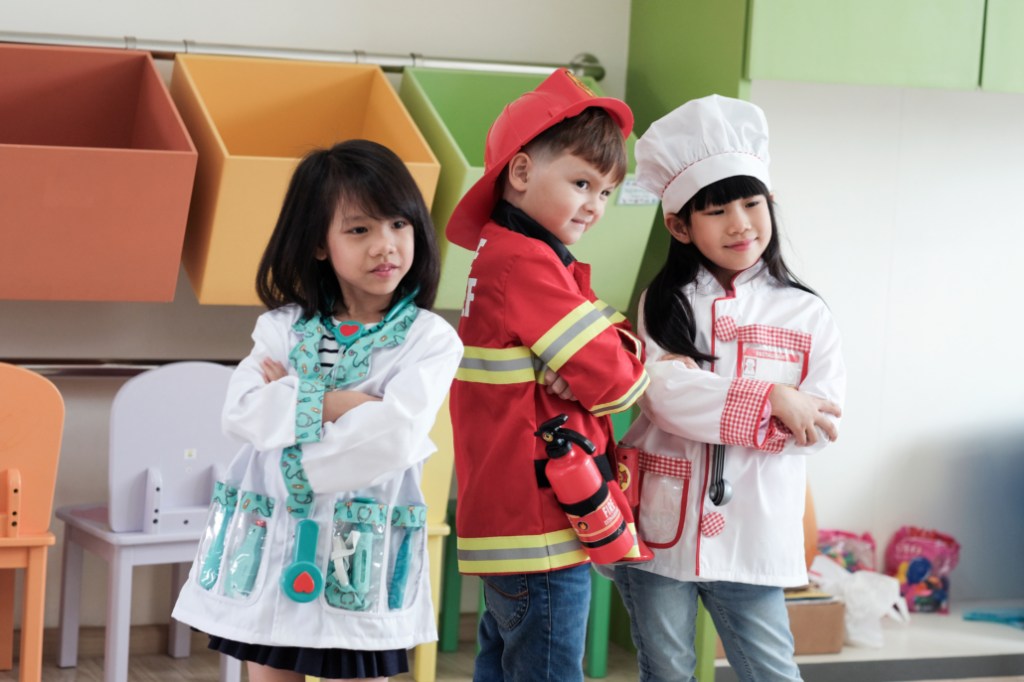
Role-playing exercises are a valuable tool that can be used in alternative schooling and education settings to enhance learning and personal development. These exercises provide students with the opportunity to actively engage in different scenarios, allowing them to explore various perspectives, develop critical thinking skills, and build empathy. By stepping into the shoes of different characters or roles, students can gain a deeper understanding of complex concepts and real-life situations.
One important aspect of role-playing exercises is their ability to foster creativity and imagination. When students are given the freedom to imagine themselves in different scenarios or roles, they are encouraged to think outside the box and come up with innovative solutions. This process not only enhances their problem-solving skills but also encourages them to approach challenges from multiple angles.
For example, one popular role-playing exercise involves simulating historical events or periods. Students may be assigned specific roles such as political leaders, activists, or ordinary citizens during a particular time period. By immersing themselves in these characters’ lives and experiences, students can gain a better understanding of historical contexts and appreciate the complexities involved.
Similarly, role-playing exercises can be used effectively in language arts classes by bringing literary works to life. For instance, students can reenact scenes from plays like Romeo and Juliet or Macbeth. This active engagement helps them comprehend complex themes, analyze character motivations more deeply, and improve their reading comprehension skills.
Furthermore, role-playing exercises have proven beneficial for social-emotional development. They allow students to step into others’ shoes and experience situations from different perspectives. This promotes empathy by helping them understand how others feel and think in certain circumstances.
In this regard, conflict resolution is another area where role-playing exercises prove highly effective. By assigning different roles within a conflict scenario – such as mediator or conflicting parties – students learn negotiation techniques while developing problem-solving strategies that promote peaceful resolutions.
Moreover, incorporating real-world scenarios into classroom activities through role-play helps bridge the gap between theoretical knowledge and practical application. By simulating situations that students might encounter in their future careers or personal lives, they gain hands-on experience in navigating complex challenges and making informed decisions.
For example, a role-playing exercise could involve a simulated job interview where students take turns being the interviewer and interviewee. This allows them to practice important communication skills, such as verbal and nonverbal cues, active listening, and effective articulation of ideas.
Similarly, role-playing exercises can be used to teach financial literacy. Students can assume different roles within a family or business setting where they must make financial decisions based on limited resources. Through these simulations, students learn how to budget effectively, prioritize expenses, and make informed financial choices.
In addition to enhancing academic skills and personal development, role-playing exercises also promote teamwork and collaboration among students. By working together towards a common goal or solving problems collectively, students develop essential interpersonal skills that are crucial for success both inside and outside the classroom.
Group projects that incorporate role-play encourage communication, cooperation, compromise, and coordination among team members. These experiences mirror real-life collaborative dynamics found in professional settings as well as everyday social interactions.
It is worth noting that role-playing exercises should be designed with careful consideration for individual sensitivities and cultural diversity. Educators need to create a safe environment where all students feel comfortable participating without fear of judgment or exclusion.
To ensure inclusivity within these activities, educators should provide options for multiple perspectives rather than restricting participants to predefined roles. Additionally, debriefing sessions after each exercise can help address any concerns or misconceptions that may arise during the process while reinforcing empathy-building principles.
In conclusion, incorporating role-playing exercises into alternative schooling and education settings offers numerous benefits for student learning outcomes. These activities foster creativity by encouraging imaginative thinking; promote social-emotional development through empathy-building experiences; bridge theoretical knowledge with practical application; enhance teamwork abilities; improve communication skills; develop critical thinking capabilities; build problem-solving strategies; and foster an inclusive learning environment.
By actively engaging in role-playing exercises, students are empowered to take ownership of their learning, explore various perspectives, and develop a deeper understanding of complex concepts. As educators continue to innovate teaching methods, the integration of role-playing exercises into alternative schooling and education settings will undoubtedly contribute to more holistic and effective learning experiences for all students.
 Alternative Amie
Leave a comment