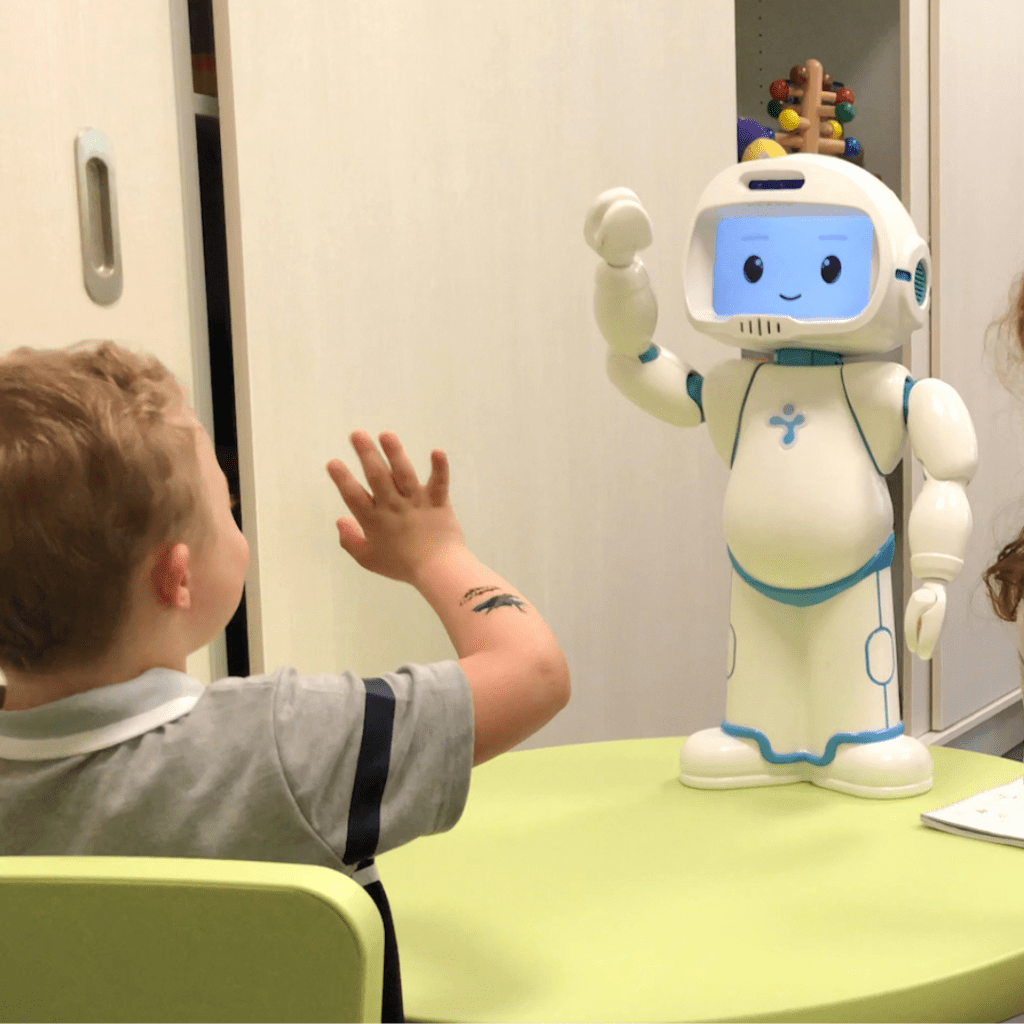
In recent years, robotics has emerged as an exciting field of study and a powerful tool for alternative schooling and education. With its interdisciplinary nature, robotics offers students a unique opportunity to engage in hands-on learning experiences that foster creativity, problem-solving skills, and critical thinking – all essential traits for success in the 21st century.
One of the key benefits of incorporating robotics into alternative education is its ability to bridge the gap between theoretical knowledge and practical application. Through building and programming robots, students can tangibly see how concepts from various subjects such as mathematics, physics, engineering, and computer science come together to create real-world solutions. This experiential learning approach not only enhances understanding but also cultivates a sense of curiosity and innovation among students.
Moreover, robotics enables collaborative learning by encouraging teamwork and communication skills. Many robotic projects require group work where students must collaborate to design, program, test, and troubleshoot their creations. By working together towards a common goal, students learn how to effectively communicate ideas, delegate tasks based on individual strengths, resolve conflicts constructively, and appreciate diverse perspectives – all crucial skills needed for future success in both personal and professional realms.
Robotics also serves as an excellent platform for teaching problem-solving skills. As students encounter challenges during the design process or while programming robots to perform specific tasks autonomously or remotely controlled using sensors or algorithms they develop logical thinking abilities. They learn to analyze problems critically by breaking them down into smaller components before devising strategies to overcome obstacles effectively.
Additionally, incorporating robotics into alternative education settings promotes adaptability by exposing students to emerging technologies used across various industries today. Students gain firsthand experience with cutting-edge tools like artificial intelligence (AI), machine learning (ML), internet of things (IoT), automation systems – fields that are rapidly expanding globally.
Furthermore being exposed daily from early age onwards will enable these young minds capable enough in tackling environmental issues caused due pollution etc., through developing eco-friendly robots or drones that can combat these problems efficiently.
In conclusion, robotics provides a valuable and engaging platform for alternative schooling and education. By integrating robotics into the curriculum, students are empowered to develop essential skills such as critical thinking, problem-solving, collaboration, and adaptability – all of which will serve them well in an increasingly technology-driven future. As we continue to witness the rapid advancements in robotic technologies, it is crucial that alternative education institutions seize this opportunity to prepare students for the challenges and opportunities ahead.
 Alternative Amie
Leave a comment