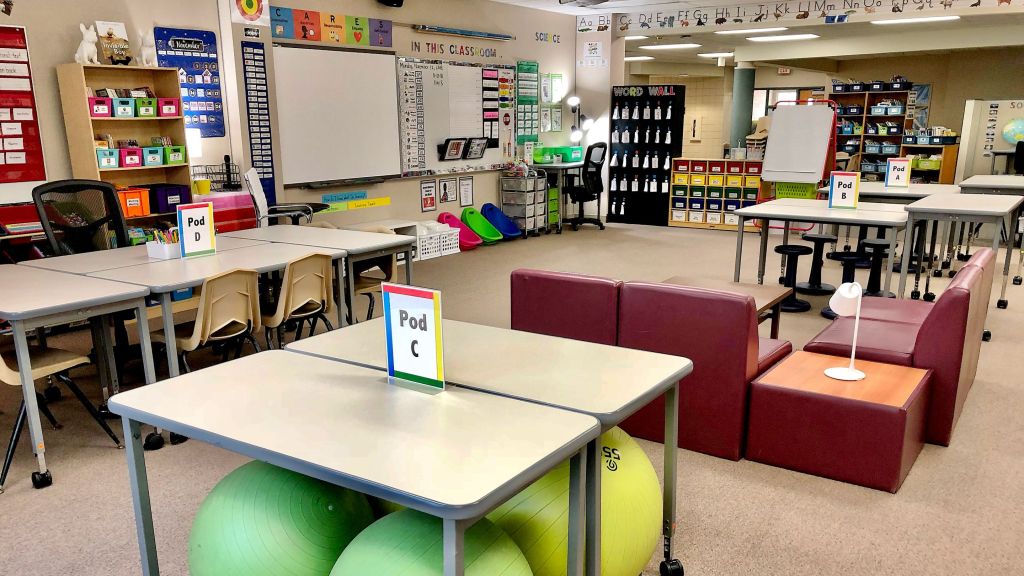
Flexible seating is a growing trend in classrooms around the world. It involves creating an environment where students have the freedom to choose how and where they learn, rather than being confined to traditional desks and chairs. This approach has many benefits, such as increased student engagement, improved collaboration skills, and enhanced creativity. If you’re interested in implementing flexible seating in your classroom, here are ten steps to get you started.
1. Research and Planning:
Before diving into flexible seating, it’s essential to do thorough research about different seating options available that suit your classroom’s needs. Consider factors like comfort, mobility, durability, and versatility when selecting furniture pieces. Browse through online catalogs or visit local furniture stores dedicated to educational settings for inspiration.
Additionally, consult with colleagues or other educators who have already implemented flexible seating in their classrooms. They can provide valuable insights based on their experiences and help you avoid potential pitfalls.
2. Set Clear Expectations:
Establishing clear expectations from the beginning is crucial for successful implementation of flexible seating. Communicate these expectations with both students and parents/guardians at the start of the school year or whenever you introduce this new approach.
Explain that while students have more freedom in choosing their seats, there are still rules they need to follow regarding behavior and respecting others’ workspace boundaries. Emphasize that flexibility comes with responsibility.
3. Create Seating Zones:
Divide your classroom into different zones based on specific learning activities or preferences (e.g., quiet reading area, collaborative group work area). Each zone should offer a variety of seating options suitable for different tasks.
Consider incorporating bean bags, floor cushions, standing desks or tables with adjustable heights, stability balls/chairs (also known as yoga balls), stools/benches of varying sizes/materials/heights etc., depending on your budget constraints and space availability.
4. Gradual Implementation:
Introduce flexible seating gradually instead of making an abrupt transition overnight – especially if your students are accustomed to traditional classroom setups. Start by allowing a few seating options and gradually increase the variety as students become more familiar with the concept.
You can also start by incorporating flexible seating during specific activities or subjects, such as independent reading time, group discussions, or project-based learning tasks. This way, both you and your students can ease into this new approach without feeling overwhelmed.
5. Teach Responsible Decision-Making:
Flexible seating empowers students to make choices about where they work best. However, it’s important to explicitly teach them how to make responsible decisions regarding their seating choices.
Engage in discussions about factors that influence their decision-making process like individual preferences (e.g., comfort level), task requirements (e.g., need for focus or collaboration), and respecting others’ needs (e.g., not choosing a seat that may distract nearby classmates). Encourage self-reflection and guide students towards making thoughtful choices.
6. Establish Rotations:
To ensure fairness and equal access to different seating options for all students, create a rotation system. Designate specific time intervals when students switch seats or zones so that everyone gets an opportunity to experience various seating arrangements throughout the school year.
This rotation system helps prevent conflicts arising from favoritism towards certain seats while encouraging adaptability and flexibility among students as they adjust to new environments regularly.
7. Allow Flexibility Within Structure:
While flexible seating encourages freedom of choice, it’s essential to maintain some structure within the classroom environment. Establish non-negotiable rules related to safety concerns or maintaining orderliness.
For example, you might require all chairs/tables/stools/benches be returned to designated areas at the end of each day or expect noise levels below a certain threshold during quiet work periods. By striking a balance between flexibility and structure, you can create an environment conducive to learning while still fostering autonomy.
8. Collaborative Spaces:
One of the significant advantages of flexible seating is the promotion of collaboration and teamwork. Designate specific areas in your classroom that encourage group work or partner activities.
Consider using large tables, floor rugs with comfortable seating options, or even standing stations for collaborative workspaces. These spaces should be designed to facilitate communication and cooperation among students while promoting an inclusive learning environment.
9. Regular Reflection and Adaptation:
Implementing flexible seating is an ongoing process that requires regular reflection and adaptation based on student feedback and evolving needs. Conduct informal discussions or anonymous surveys to gather input from your students about what works well for them and if any adjustments are needed.
Adapt your seating arrangements accordingly to address any concerns raised by your students. By involving your students actively in this process, you empower them as stakeholders in their own education.
10. Celebrate Successes:
Finally, remember to celebrate successes along the way! Acknowledge positive behavior, responsible decision-making, improved focus, increased collaboration skills, or any other benefits you observe as a result of implementing flexible seating.
Reward students individually or collectively for their efforts towards creating a productive learning environment through verbal praise, certificates of achievement, or small tokens of appreciation like stickers or bookmarks. This recognition reinforces positive behaviors associated with successful implementation of flexible seating.
In conclusion, implementing flexible seating in the classroom can provide numerous advantages for both teachers and students alike. It creates an environment that fosters engagement, collaboration, creativity while also promoting autonomy and responsibility among learners.
By following these ten steps – researching different options available; setting clear expectations; creating seating zones; gradually implementing changes; teaching responsible decision-making; establishing rotations; allowing flexibility within structure; designating collaborative spaces; reflecting regularly and adapting accordingly; celebrating successes – you can successfully implement flexible seating in your classroom.
 Alternative Amie
Leave a comment