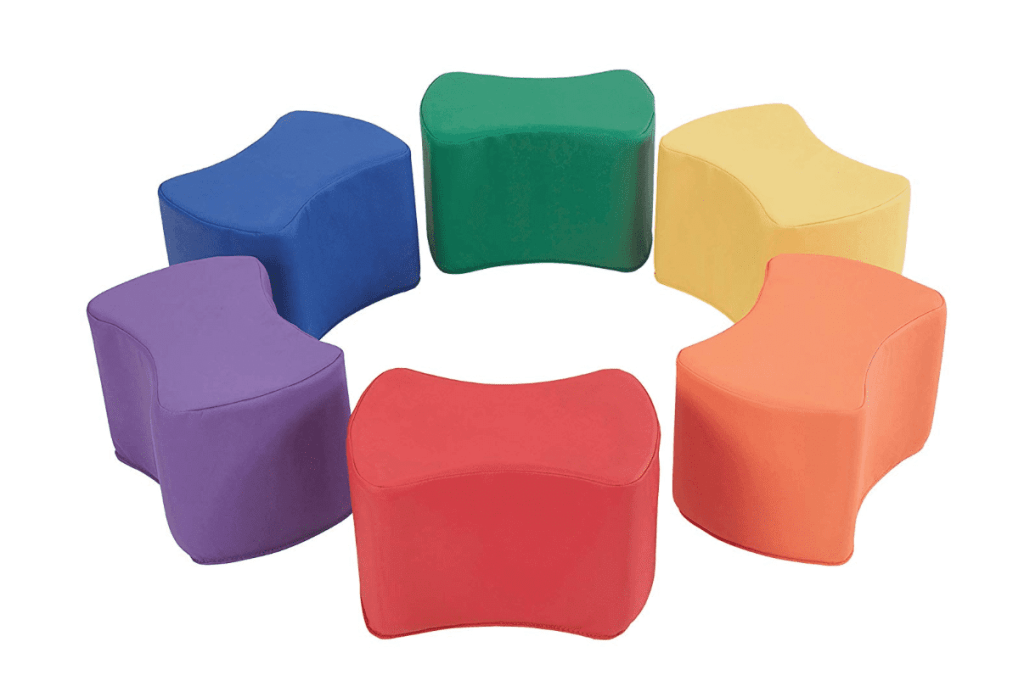
Flexible Seating Options for Alternative Schooling and Education
Introduction:
In recent years, alternative schooling and education approaches have gained popularity for their emphasis on personalized learning experiences. One crucial aspect of these educational models is the provision of flexible seating options. Flexible seating allows students to choose where they sit, promoting comfort, collaboration, and engagement in the learning process. In this article, we will explore various flexible seating options that can be implemented in alternative schools to create a conducive environment for effective learning.
1. Floor Cushions and Mats:
Floor cushions and mats provide an informal yet comfortable seating option for students. These soft surfaces promote relaxation and flexibility while allowing students to work individually or collaboratively in small groups on the floor. Floor cushions are available in different shapes, sizes, colors, and textures to cater to diverse preferences.
2. Bean Bags:
Bean bags are another popular choice for flexible seating arrangements in alternative schools. They offer a relaxed sitting experience that encourages creativity and focus among students. Bean bags come in various sizes and styles, from large ones suitable for lounging or reading corners to smaller ones designed specifically for desk use.
3. Stability Balls:
Stability balls, also known as exercise balls or yoga balls, have become a common feature in many classrooms due to their numerous benefits. Sitting on stability balls helps improve core strength, posture alignment, balance control while engaging muscles throughout the body actively. By incorporating stability balls into the classroom environment, teachers can encourage active sitting habits that contribute positively to student concentration levels.
4. Wobble Stools:
Wobble stools introduce controlled movement into seated positions by offering a rounded base that enables gentle rocking motions without tipping over entirely like regular chairs would do if rocked too far back or forth accidentally). This subtle movement promotes improved blood circulation while engaging core muscles responsible for maintaining balance.
5. Standing Desks:
Standing desks have gained recognition as an effective way to combat sedentary behavior during class time. These desks provide students with the option to alternate between sitting and standing positions, reducing the negative impact of prolonged sitting on their health. Standing desks can be easily adjusted in height to accommodate different student preferences.
6. Lap Desks:
Lap desks are portable surfaces that allow students to work comfortably while seated on the floor or other flexible seating options. They feature a cushioned bottom side for added comfort and prevent laptops or books from overheating when used directly on laps. Lap desks encourage individual productivity by providing a stable surface for writing, drawing, or using electronic devices.
7. Swivel Chairs:
Swivel chairs offer flexibility in movement as they rotate 360 degrees. These chairs allow students to turn around and interact with their peers without needing to leave their seats fully. The ability to swivel also helps students access materials easily from different directions within the classroom environment.
8. Adjustable Tables:
To complement flexible seating arrangements, adjustable tables are essential components that cater to various student needs and activities. These tables can be raised or lowered depending on whether students prefer working at traditional desk height, while seated on low cushions, or even standing up alongside taller seating options like stability balls.
9. Privacy Screens:
Privacy screens can be utilized in alternative schools where individual focus is necessary without completely isolating students from group activities happening around them. These screens provide visual barriers that reduce distractions while maintaining an open learning atmosphere.
Conclusion:
Flexible seating options play a significant role in creating dynamic learning environments where alternative schooling and education approaches thrive best. By incorporating floor cushions, bean bags, stability balls, wobble stools, standing desks, lap desks, swivel chairs, adjustable tables, and privacy screens into classrooms’ design strategies can promote engagement and collaboration among students while accommodating diverse learning styles and preferences effectively.
 Alternative Amie
Leave a comment