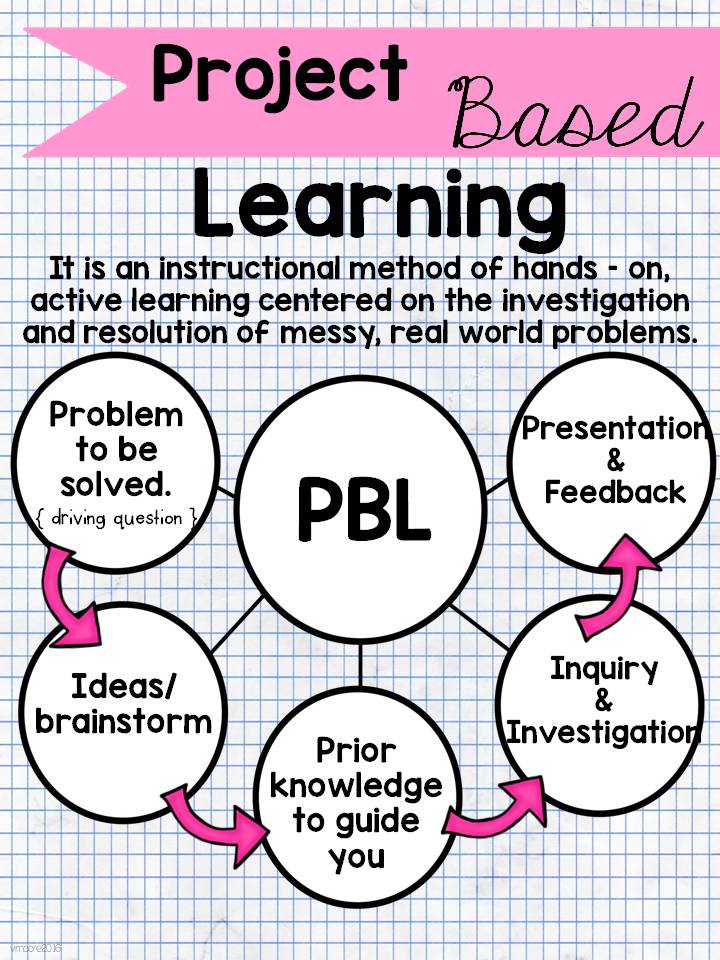
Project-based learning is a dynamic and engaging approach to education that has gained popularity in recent years. It involves students working on real-world projects or tasks that are relevant to their interests and encompass various subject areas. Instead of passively absorbing information, students actively participate in the learning process by applying their knowledge and skills to solve problems, conduct research, and create tangible products or presentations.
One of the key benefits of project-based learning is its ability to foster critical thinking skills. By tackling complex challenges, students develop problem-solving abilities that will serve them well beyond the classroom. They learn how to analyze information, think creatively, make decisions based on evidence, and evaluate different perspectives. These skills are essential for success in today’s rapidly changing world where adaptability and innovation are highly valued.
Another advantage of project-based learning is its potential to promote collaboration among students. Working on projects encourages teamwork, communication, and cooperation as students collaborate with their peers to achieve common goals. They learn how to contribute effectively within a group setting by sharing ideas, delegating tasks, resolving conflicts constructively, and supporting one another’s progress. This collaborative aspect not only enhances social skills but also prepares students for future careers where teamwork is often required.
Furthermore, project-based learning helps make education more relevant and meaningful for students. By connecting classroom concepts with real-life applications, it demonstrates the practical value of what they are learning. For example, instead of memorizing facts about climate change from a textbook chapter, project-based learning might involve researching local environmental issues and designing innovative solutions to reduce carbon emissions in their community. This hands-on approach empowers students by showing them how they can make a difference in the world around them.
In addition to academic growth, project-based learning also nurtures important life skills such as time management and self-direction. Students have greater autonomy over their work as they plan timelines for completing tasks within given deadlines. This responsibility teaches them valuable organizational skills that are applicable to various aspects of their lives. Moreover, project-based learning encourages self-reflection and self-assessment as students evaluate their own progress, set goals for improvement, and monitor their own learning journey.
Lastly, project-based learning cultivates a sense of ownership and pride in students’ work. When they have the opportunity to choose projects that align with their interests or passions, they become more invested in the outcome. This intrinsic motivation fuels enthusiasm and dedication, leading to higher levels of engagement and achievement. Students take pride in showcasing their final products or presentations to an authentic audience which could include peers, parents, community members, or professionals in relevant fields.
In conclusion, project-based learning offers numerous benefits that enhance both academic growth and personal development. By promoting critical thinking skills, collaboration, relevance, life skills acquisition, and a sense of ownership over one’s work, it creates a dynamic educational experience that prepares students for success beyond the classroom. As educators continue to explore innovative approaches to teaching and learning, project-based learning stands out as an effective method for fostering engaged learners who are ready to tackle challenges head-on.
 Alternative Amie
Leave a comment