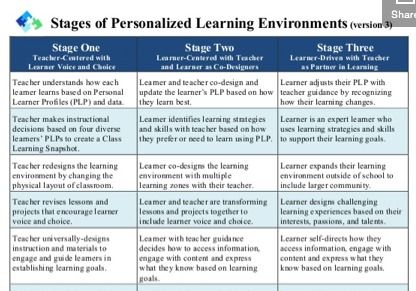
Personalized learning has become a buzzword in education circles around the world. It promises to revolutionize the way students learn by tailoring instruction to their individual needs, interests, and abilities. While this approach has gained traction in developed countries, its implementation in developing nations raises some interesting questions.
In theory, personalized learning seems like a silver bullet for education challenges faced by developing countries. With limited resources and overcrowded classrooms, it is often difficult for teachers to cater to the diverse needs of their students. Personalized learning offers a solution that could potentially bridge this gap and provide quality education for all.
One of the key components of personalized learning is technology integration. Advocates argue that technology can empower students by providing access to vast amounts of information and enabling interactive and engaging learning experiences. In developed countries with robust technological infrastructure, this vision is easier to realize. However, in many developing nations where school infrastructure is lacking or unreliable at best, ensuring equitable access to technology becomes a significant hurdle.
Another challenge lies in training teachers to effectively implement personalized learning strategies. Teachers play a crucial role in facilitating student-centered approaches, but they need adequate support and professional development opportunities to do so successfully. Unfortunately, many developing countries struggle with low teacher salaries, limited training programs, and high turnover rates – factors that hinder efforts towards effective implementation of personalized learning.
Furthermore, the cultural context cannot be ignored when discussing educational innovations like personalized learning in developing nations. Education systems are deeply rooted in local cultures and traditions; therefore any new approach must align with these values if it aims to be successful. This requires careful consideration of how personalized learning models can be adapted without compromising cultural identity or local values.
Despite these challenges, there have been notable success stories showcasing the potential benefits of personalized learning in developing countries. For instance, Bridge International Academies – an organization operating low-cost private schools across several African nations – implements a data-driven model that tailors instruction based on individual student needs. By leveraging technology and continuous assessment, Bridge International Academies has been able to improve learning outcomes for thousands of students.
Similarly, many non-profit organizations have been working tirelessly to introduce personalized learning initiatives in developing countries. These initiatives often focus on providing access to technology and training teachers to integrate it into their classrooms effectively. By doing so, they aim to equip students with the skills necessary for success in the digital age.
However, it is essential not to overlook potential pitfalls associated with personalized learning in developing nations. One concern is the exacerbation of existing inequalities caused by unequal access to resources. If only a select few schools or regions receive the benefits of personalized learning initiatives, it could further widen educational disparities between urban and rural areas or wealthier and disadvantaged communities.
Another potential challenge is the risk of over-reliance on technology as a solution for all educational problems. While technology undoubtedly has its merits when used appropriately, it should not replace critical pedagogical practices such as teacher-student interactions and hands-on experiences. Striking a balance between utilizing technology effectively while maintaining human connection remains crucial in any education system – particularly in developing countries where face-to-face interaction can be limited due to various factors.
Moreover, there are concerns about data privacy and security when implementing personalized learning models that heavily rely on collecting sensitive information about individual students. In developed nations with robust legal frameworks protecting data privacy rights, these issues are already subject to rigorous scrutiny. However, many developing countries lack comprehensive legislation or enforcement mechanisms that safeguard student data adequately.
In conclusion, while personalized learning holds promise for transforming education globally, its implementation in developing countries poses unique challenges that must be addressed thoughtfully. Ensuring equitable access to resources like technology and quality teacher training is vital for success. Additionally, adapting personalized learning models within cultural contexts while avoiding exacerbating existing inequalities requires careful consideration from policymakers and educators alike.
By embracing both the potential benefits and inherent complexities associated with personalized learning, developing countries can strive towards providing quality education that meets the diverse needs of their students. With concerted efforts and collaborative partnerships, personalized learning has the potential to make a lasting impact on educational outcomes worldwide.
 Alternative Amie
Leave a comment