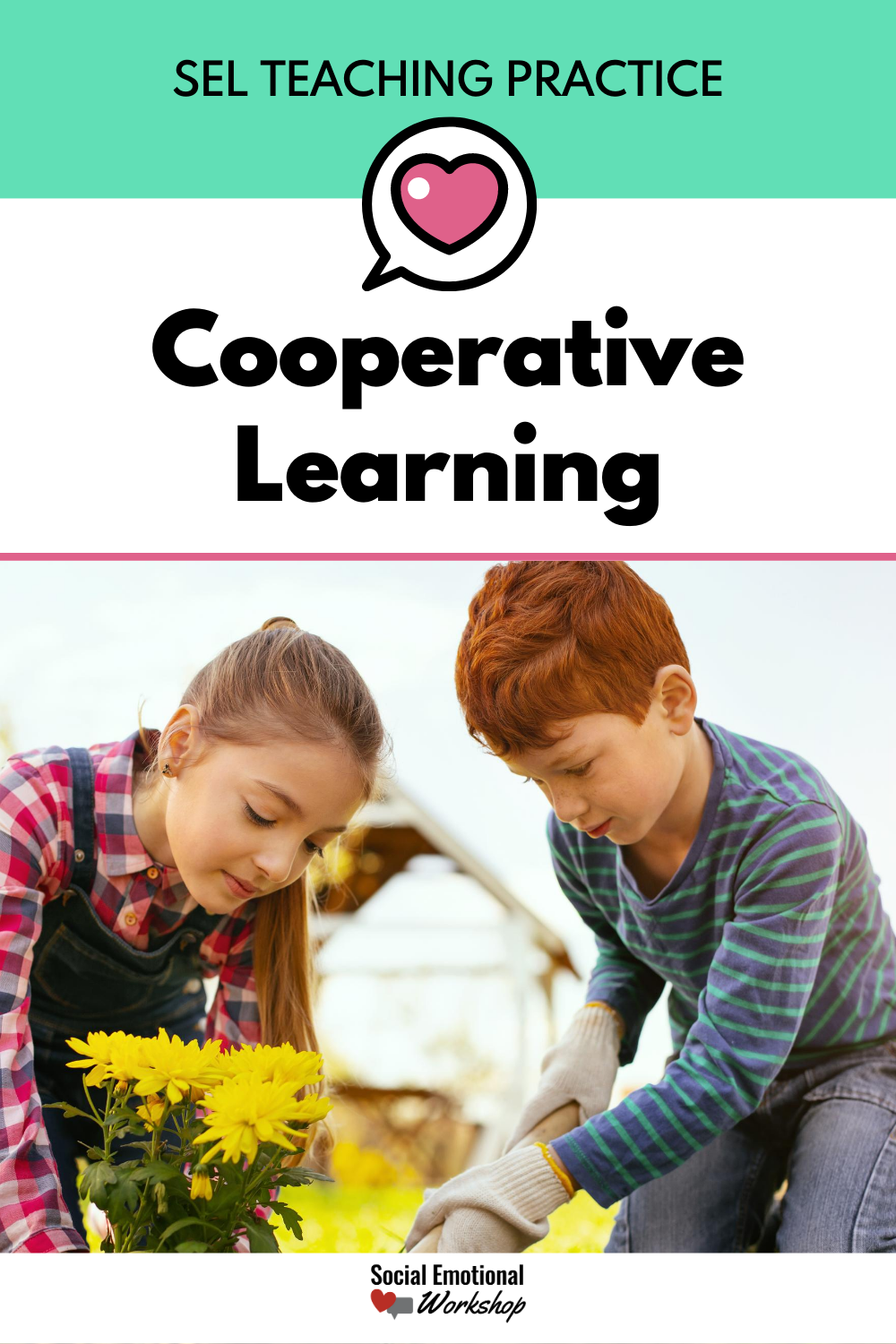
Cooperative Education: A Journey towards Collective Learning
In today’s fast-paced and individualistic society, alternative schooling and education models are gaining popularity for their emphasis on community, collaboration, and hands-on learning. One such model that has stood the test of time is cooperative education, also known as co-op education.
Cooperative education is a unique approach to learning that combines classroom instruction with practical work experience in a real-world setting. It fosters an environment where students actively participate in their own education by working together towards common goals while acquiring valuable skills along the way.
The roots of cooperative education can be traced back to the early 19th century in Europe during the Industrial Revolution. As mechanization took over traditional industries, workers faced increasing challenges in adapting to new technologies and finding employment opportunities. In response to these socioeconomic changes, workers began forming cooperatives – organizations owned and operated by their members – to collectively address their needs.
Inspired by this spirit of cooperation, educational reformers sought ways to integrate real-life experiences into formal schooling. They believed that combining practical work experience with academic study would not only prepare students for future careers but also instill values such as teamwork, mutual support, and social responsibility.
One of the pioneers of cooperative education was Sir Albert Mansbridge who founded The Workers’ Educational Association (WEA) in England in 1903. WEA aimed to provide accessible adult education through evening classes held at local trade union centers or workplaces. These classes focused on subjects like literature, history, science, and politics while encouraging active participation from learners.
The success of WEA inspired similar initiatives around the world. In North America during the late 19th century and early 20th century, universities such as Northeastern University in Boston started integrating cooperative programs into their curricula. Students alternated between semesters spent studying on campus and working full-time jobs related to their fields of study.
Cooperative programs gained momentum and popularity in the United States during the Great Depression when they offered students a chance to earn money while pursuing their education. Moreover, cooperative education proved to be an effective way for industries to identify and recruit talented individuals who had gained practical experience through these programs.
Over time, cooperative education expanded beyond higher education institutions and found its place in K-12 schooling as well. Cooperative schools emerged as an alternative to traditional public or private schools, providing students with a more hands-on learning experience rooted in community engagement.
The defining characteristic of cooperative education is the active involvement of students, teachers, parents, and community members in decision-making processes within the school. Unlike conventional educational models where authority lies solely with administrators and teachers, co-op schools operate on a principle of shared responsibility.
While each co-op school may have its unique requirements for membership, there are some common elements that define the cooperative learning experience. Firstly, parents or guardians are actively involved in their child’s education by serving on committees or boards responsible for running various aspects of the school. This level of parental participation not only strengthens the bond between home and school but also allows parents to contribute their expertise and shape their child’s educational journey.
Secondly, student involvement is key to cooperative education. Students are encouraged to take ownership of their learning by participating in decision-making processes alongside adults. They may have a say in designing curricula, planning field trips or projects, or even evaluating teacher performance – all aimed at fostering a sense of agency among learners.
Lastly, community engagement plays a vital role within co-op schools. These institutions often forge partnerships with local businesses and organizations to provide students with real-world experiences outside traditional classroom settings. Through internships or apprenticeships tailored to individual interests and career goals, students gain practical skills while contributing positively to society.
Cooperative education offers numerous benefits for both learners and communities alike. By engaging actively in their own educations from an early age, children develop a sense of responsibility, critical thinking, and problem-solving skills. They learn to work collaboratively with others, appreciate diverse perspectives, and understand the importance of active citizenship.
Moreover, cooperative education fosters a strong sense of community and belonging. Parents become actively involved in their child’s educational journey, forging meaningful connections with other families and educators. Students also build relationships with peers that extend beyond the classroom walls – friendships based on shared experiences and mutual support.
In conclusion, cooperative education is an age-old model that has stood the test of time by promoting collective learning and community engagement. Its roots can be traced back to workers’ cooperatives during the Industrial Revolution, but it has since expanded into various educational settings around the world.
By combining classroom instruction with practical work experience in real-world settings, co-op schools empower students to take charge of their own education while fostering values such as collaboration, social responsibility, and active citizenship. Through active involvement from parents, students, teachers, and community members alike – cooperative education paves the way for a more inclusive and holistic approach to learning.
As we continue to explore alternative schooling models that prioritize experiential learning and community engagement – cooperative education serves as an inspiration for educators looking to create transformative educational experiences for learners at all levels.
 Alternative Amie
Leave a comment