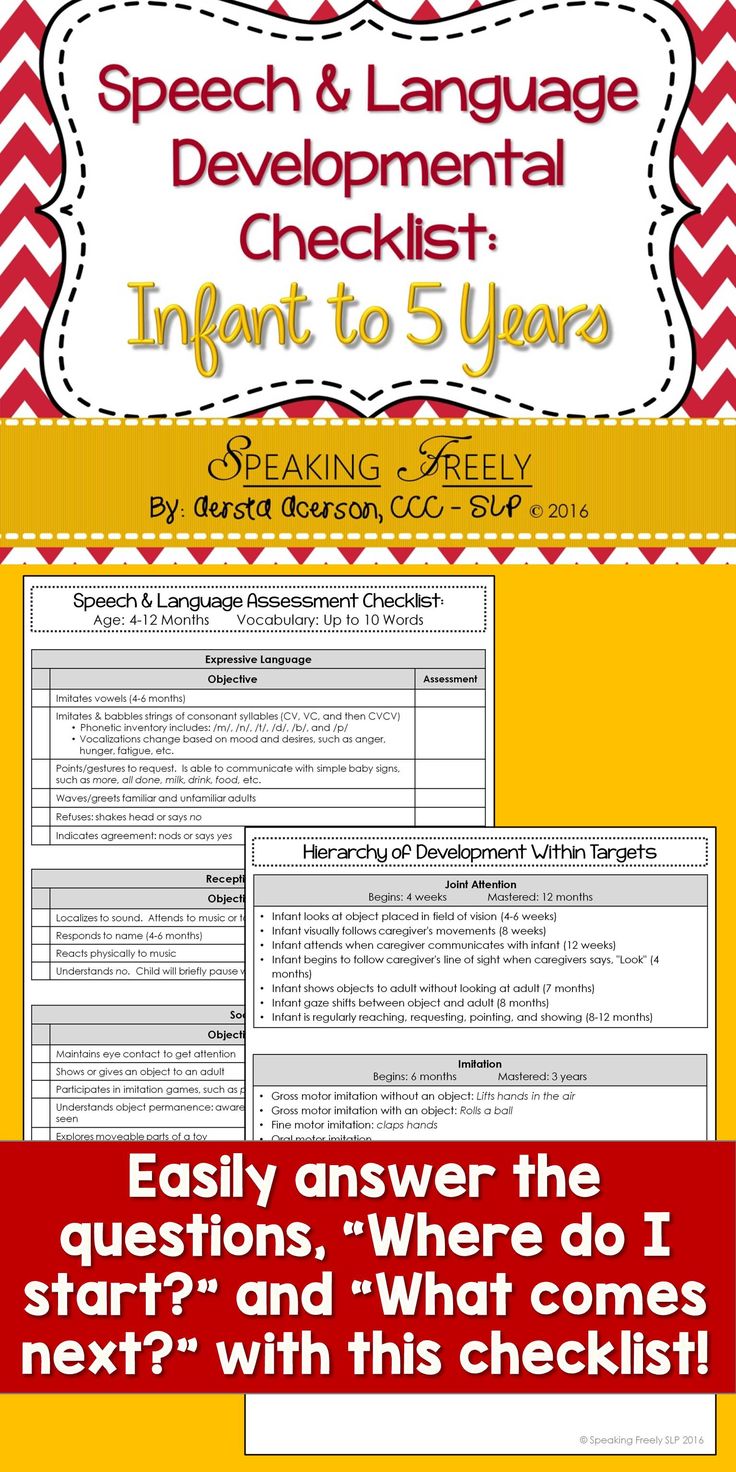
Early Intervention in Language Development for At-Risk Students
Introduction:
Language development plays a crucial role in a child’s overall cognitive and social development. For at-risk students, who may face various challenges that hinder their language acquisition, early intervention becomes even more critical. By providing targeted support and resources at an early stage, educators can significantly enhance the language skills of these students, setting them on a path towards success. In this article, we will explore the importance of early intervention in language development for at-risk students and discuss effective strategies to ensure their linguistic growth.
Understanding At-Risk Students:
At-risk students are those who face circumstances or conditions that put them at a higher chance of not reaching their full potential academically or socially. Such factors may include poverty, limited access to educational resources, developmental delays, learning disabilities, or exposure to adverse childhood experiences. These challenges can result in delayed language development and difficulties with communication skills if left unaddressed.
Importance of Early Intervention:
Research has consistently shown that early intervention is crucial for improving outcomes for at-risk students, particularly in terms of language development. During the first few years of life, children’s brains are highly receptive to acquiring new languages and developing essential communication skills. By intervening during this critical period, educators can provide targeted support tailored to each student’s needs.
Identifying Language Delays:
In order to implement effective interventions, it is essential to identify language delays as early as possible. This can be done through regular assessments such as standardized tests or observation-based screenings conducted by speech-language pathologists (SLPs) or educators trained in identifying developmental milestones. Identifying specific areas where a student is struggling allows educators to design personalized interventions accordingly.
Effective Strategies for Early Intervention:
1. Individualized Education Plans (IEPs): Collaborating with SLPs and other professionals enables educators to develop IEPs that address specific language goals for each student. These plans outline customized strategies and interventions to support the student’s language development.
2. Language-Rich Environment: Creating a language-rich environment is crucial for at-risk students. This can be achieved by incorporating activities that promote vocabulary expansion, active listening, and communication skills into daily routines. For example, using visual aids, reading books aloud, and engaging in conversations during playtime can enhance language development.
3. Small Group Instruction: Providing small group instruction allows educators to focus on individual needs while also fostering peer interaction and collaboration. Students can engage in activities that encourage conversation, turn-taking, storytelling, and other essential language-building exercises.
4. Parental Involvement: Collaborating with parents or guardians is vital for successful early intervention. Educators should communicate regularly with families to share progress updates and provide strategies that can be reinforced at home. Encouraging parents to read aloud to their children or engage in everyday conversations supports continuous language growth beyond the school environment.
5. Assistive Technology: Utilizing assistive technology tools such as speech-to-text software or tablets with interactive learning apps can provide additional support for at-risk students who struggle with expressive or receptive language skills.
6. Multimodal Approaches: Incorporating multiple modes of communication (e.g., visual aids, gestures) alongside verbal instruction helps reinforce understanding and comprehension for at-risk students who may have difficulty processing information solely through auditory means.
Monitoring Progress:
Regular monitoring of progress is crucial throughout the intervention process. Educators should use formative assessments to track a student’s growth over time and make necessary adjustments to interventions if needed. Collaboration between educators, SLPs, parents/guardians ensures a comprehensive approach towards supporting each student’s linguistic development.
Conclusion:
Early intervention plays a pivotal role in enhancing language development for at-risk students by addressing their specific needs from an early age. By implementing effective strategies such as personalized education plans, creating a language-rich environment both inside and outside the classroom, involving parents, and utilizing assistive technology, educators can significantly impact the language skills of at-risk students. By providing these students with the necessary support and resources, we can ensure they have a strong foundation for future academic success and social well-being.
 Alternative Amie
Leave a comment