Wearable technology has become increasingly popular in recent years, with more and more people incorporating these innovative devices into their daily lives. From fitness trackers to smartwatches, there is a wide range of wearable tech available that can greatly enhance our personal and professional lives. In this article, we will explore the top 10 wearable technologies that are revolutionizing alternative schooling and education.
1. Smartwatches:
Smartwatches have evolved beyond simply telling time; they now offer a plethora of features that can be beneficial for students. With built-in calendars, reminders, alarms, and note-taking capabilities, smartwatches help students stay organized and manage their time effectively. Additionally, smartwatches can track physical activity levels and monitor heart rate, ensuring students maintain a healthy lifestyle while juggling their studies.
2. Fitness Trackers:
Fitness trackers are not just for athletes or gym enthusiasts; they can also be valuable tools for students who want to maintain an active lifestyle while pursuing their education. These devices monitor steps taken, distance traveled, calories burned, and even sleep patterns. By encouraging physical activity and promoting healthy habits like regular exercise breaks during study sessions or taking the stairs instead of the elevator on campus, fitness trackers contribute to overall well-being.
3. Virtual Reality (VR) Headsets:
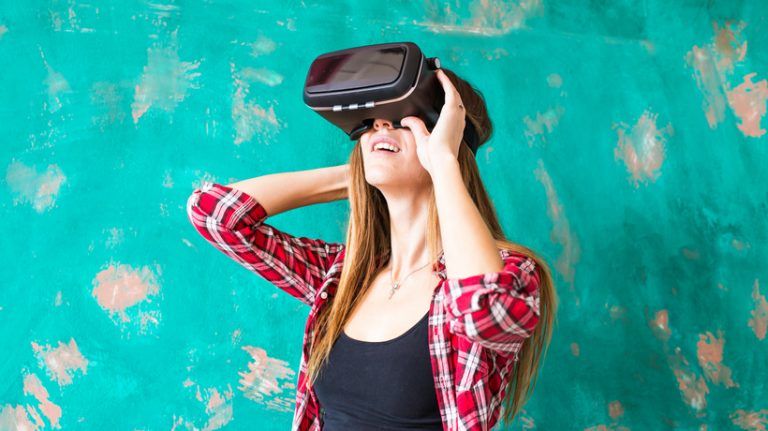
Virtual reality has tremendous potential in alternative schooling as it offers immersive learning experiences that go beyond traditional classroom methods. VR headsets enable students to take virtual field trips to historical sites or explore scientific concepts through interactive simulations. This technology provides a hands-on approach to learning that enhances engagement and retention among students.
4. Augmented Reality (AR) Glasses:
Similar to VR headsets but with added real-world overlays, AR glasses blend digital content with the physical environment around us – making them ideal for educational purposes. Teachers can use AR glasses to provide visual aids during lectures or allow students to interact with three-dimensional models right from their seats.
5. Language Translation Devices:
For students studying abroad or learning a new language, wearable language translation devices are invaluable tools. These devices can instantly translate spoken words into different languages, making communication easier in foreign countries and facilitating language acquisition.
6. Smart Clothing:
Smart clothing integrates technology seamlessly into our everyday attire. From temperature-regulating fabrics to biometric sensors, these garments offer real-time data on heart rate, breathing patterns, and even stress levels. For students dealing with anxiety or stress-related disorders, smart clothing can provide insights and suggestions for managing their well-being.
7. Brainwave Monitoring Headsets:
Brainwave monitoring headsets measure brain activity through electroencephalography (EEG) sensors placed on the scalp. These devices analyze brainwaves associated with concentration levels and attention span – enabling students to track their focus during study sessions and optimize productivity accordingly.
8. Smart Pens:
Smart pens combine traditional writing instruments with digital technology by allowing users to capture handwritten notes digitally in real-time. These pens synchronize with mobile apps or cloud services, making it easy for students to access their notes from anywhere while reducing the need for paper wastage.
9. Wearable Microphones:
Wearable microphones are particularly useful in large lecture halls or classrooms where audio quality may be compromised due to distance from the speaker or background noise interference. Students can wear these discreet microphones that transmit sound directly into their ears – ensuring they don’t miss any important information during lectures.
10. Electronic Backpacks:
Electronic backpacks incorporate features such as built-in charging ports, anti-theft mechanisms like fingerprint locks or GPS tracking systems, and even solar panels that generate power on-the-go using renewable energy sources. These backpacks not only keep electronic devices charged but also ensure student safety and security while traveling between classes or alternative schooling environments.
In conclusion, wearable technology is revolutionizing alternative schooling by enhancing organization skills, promoting physical well-being through fitness tracking capabilities, providing immersive learning experiences with VR and AR devices, facilitating communication across languages, monitoring mental well-being, improving productivity, and optimizing learning environments. By embracing these wearable technologies, students can unlock their full potential and excel in their educational journey.
 Alternative Amie
Leave a comment