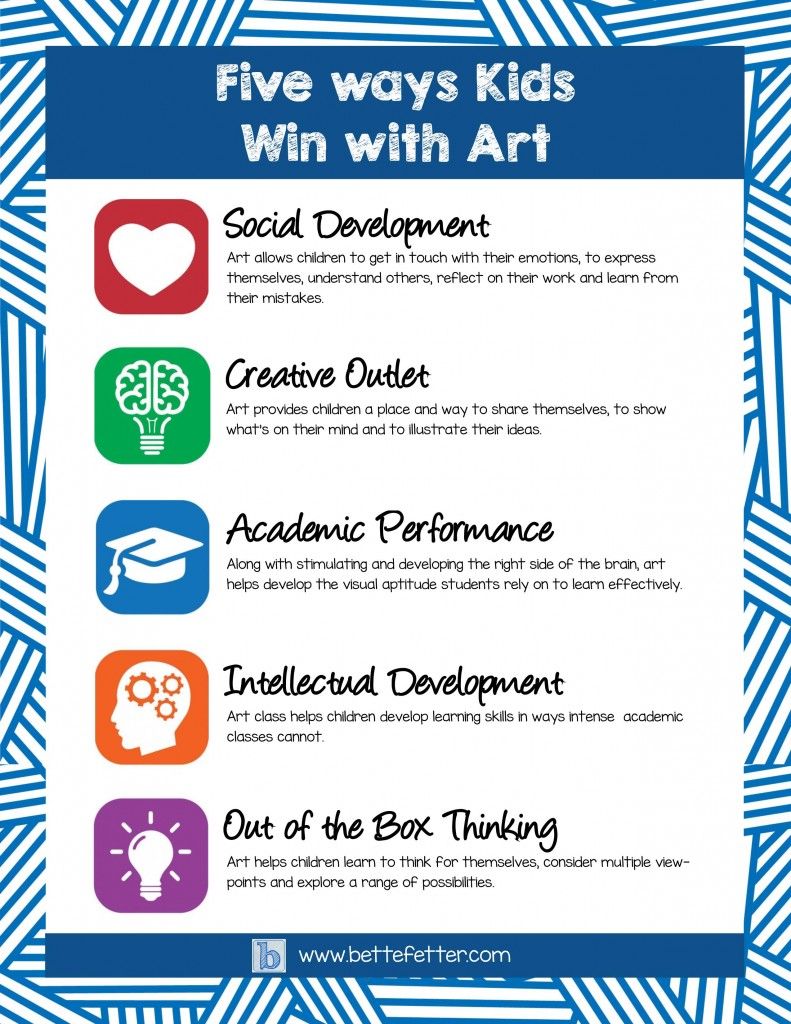
Creative learning is a powerful approach to education that encourages students to think outside the box, explore their passions, and develop critical thinking skills. Unlike traditional methods of teaching, creative learning focuses on fostering curiosity, imagination, and innovation among learners. By engaging students in hands-on activities and allowing them to express themselves freely, this educational approach enables them to become active participants in their own learning journey.
In this article, we will explore the top ten benefits of creative learning and why it is gaining popularity among alternative schools and educators worldwide. From enhancing problem-solving abilities to promoting collaboration and self-expression, creative learning offers an array of advantages for both students and teachers alike.
1. Encourages Critical Thinking: Creative learning pushes students to analyze problems from different angles, encouraging critical thinking skills. It prompts them to ask questions, challenge assumptions, and seek innovative solutions.
2. Fosters Imagination: By incorporating art forms such as music, visual arts or drama into the curriculum, creative learning stimulates imagination in children. This helps students develop unique perspectives and find unconventional solutions.
3. Promotes Collaboration: Through group projects or interactive activities like role-playing or simulations, creative learning promotes teamwork and collaboration skills essential for success in today’s interconnected world.
4. Enhances Problem-Solving Abilities: Creative learning provides opportunities for students to encounter real-world problems they must solve using their creativity and analytical skills. These experiences enable learners to become effective problem solvers who can tackle challenges with confidence.
5. Cultivates Self-Expression: Traditional education often prioritizes factual knowledge over personal expression; however, creative learning encourages self-expression through various mediums such as writing stories or creating artwork. This empowers students by giving them a voice in their own education.
6. Boosts Confidence: The freedom offered by creative learning allows children to take risks without fearing failure or judgment. When they see that their ideas are valued regardless of whether they are right or wrong – it boosts their confidence and self-esteem.
7. Supports Individual Learning Styles: Every student learns differently, and creative learning acknowledges this by offering various approaches to education. Visual, auditory or kinesthetic learners can engage with the material in a way that suits their unique style.
8. Nurtures Emotional Intelligence: Creative learning provides opportunities for students to explore and express their emotions through art, music or writing. This emotional engagement enhances their understanding of themselves and others, fostering empathy and emotional intelligence.
9. Develops Resilience: In creative learning environments, students are encouraged to experiment, make mistakes, learn from them, and try again. This process teaches resilience – the ability to bounce back from setbacks – an invaluable skill for success in all areas of life.
10. Cultivates Lifelong Learners: Creative learning instills a love for learning by making education engaging and enjoyable. When students are actively involved in the learning process and have control over what they learn, they develop a lifelong passion for acquiring knowledge.
As alternative schools continue to gain popularity globally, creative learning is emerging as a preferred educational approach due to its numerous benefits. By nurturing critical thinking skills, fostering collaboration and self-expression, enhancing problem-solving abilities, promoting individuality while supporting different learning styles; creative learning empowers students to become well-rounded individuals ready to face the challenges of the future head-on.
In conclusion, creative learning offers an innovative approach that focuses on cultivating curiosity while developing essential skills required in today’s complex world. It encourages students to think creatively about problems they encounter both inside and outside the classroom while providing them with tools necessary for success beyond traditional academic boundaries. With its emphasis on collaboration, critical thinking skills development along with individual expression – creative learning enables learners not only excel academically but also become confident individuals capable of tackling real-world challenges with creativity and resilience
 Alternative Amie
Leave a comment