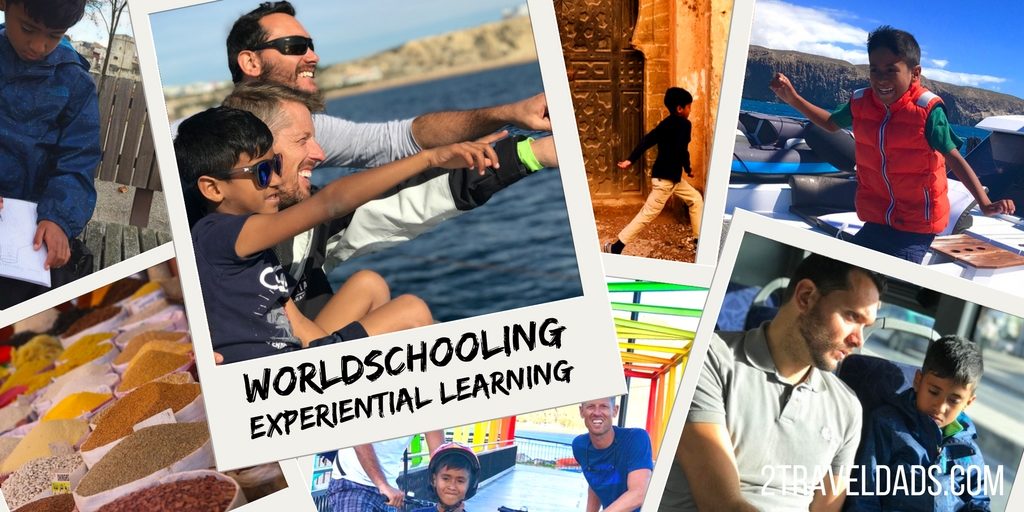
Have you ever wondered if there is a different way to educate your child, one that goes beyond the traditional classroom setting? Look no further than worldschooling. Worldschooling is an alternative approach to education that focuses on experiential learning and global experiences. In this article, we will explore the concept of worldschooling and compare it to traditional schooling, highlighting the benefits and drawbacks of each.
Traditional schooling has long been the default choice for parents when it comes to educating their children. It follows a structured curriculum, typically taught in a classroom setting, with designated subjects and standardized assessments. While this may provide a solid foundation in academics, it often lacks real-world application and fails to tap into students’ individual interests and passions.
On the other hand, worldschooling embraces a more holistic approach to education. It encourages learning through immersive experiences such as travel, cultural exchanges, and hands-on activities. The main goal of worldschooling is not just knowledge acquisition but also personal development, fostering skills like adaptability, critical thinking, empathy, and cultural awareness.
One of the most significant advantages of worldschooling is its ability to break free from geographical limitations. Traditional schools confine students within four walls while worldschoolers have access to an entire planet as their classroom. They can learn about history by visiting ancient ruins in Greece or explore marine biology by scuba diving in Australia’s Great Barrier Reef.
Another key benefit of worldschooling lies in its focus on personalized learning. Traditional schools often adopt a one-size-fits-all approach where students are expected to conform to predetermined standards and timelines. In contrast, worldschoolers have the freedom to tailor their educational journey based on their unique strengths and interests.
Moreover, through worldschooling experiences like volunteering abroad or participating in community projects around the globe, children develop essential life skills such as resilience and adaptability at an early age – skills that cannot be fully cultivated within the confines of a traditional school environment.
However, it is important to acknowledge that worldschooling may not be suitable for every family or every child. It requires flexibility and adaptability from both parents and students alike. Worldschoolers often face challenges like maintaining consistency in their education, ensuring social interactions with peers, and finding a sense of stability amidst constant travel.
Ultimately, the decision between worldschooling and traditional schooling depends on individual circumstances and preferences. Some families may choose to combine aspects of both approaches by enrolling their children in online programs or hiring tutors while they embark on extended travels. The key is to find an educational path that aligns with your child’s needs, interests, and future aspirations.
In conclusion, worldschooling offers an alternative approach to education that prioritizes real-world experiences over conventional classroom learning. By breaking free from the confines of traditional schooling, children can gain a broader perspective of the world while developing essential life skills along the way. However, it’s vital to weigh the benefits against the challenges before deciding which educational path is best suited for your child’s growth and development.
 Alternative Amie
Leave a comment