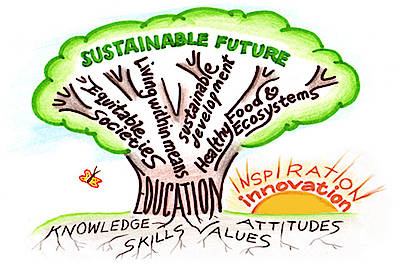
Natural Resource Preservation: Nurturing a Sustainable Future
In our modern world, the significance of natural resource preservation cannot be overstated. As we witness the rapid depletion of resources and the detrimental effects of human activities on our planet, it has become crucial to adopt sustainable practices that aim to protect and conserve these invaluable assets for future generations. By understanding the importance of natural resources and implementing education programs centered around their preservation, alternative schooling systems can play a pivotal role in nurturing a sustainable future.
Natural resources are materials or substances found in nature that have economic value. They include minerals, water, forests, wildlife, air quality, and fertile soil. These resources are essential for various aspects of life as they provide us with food, energy, shelter materials, medicines, and countless other products necessary for human survival and development. However, with growing populations and increasing demand for goods and services worldwide comes an alarming rate of resource exploitation.
One way alternative schooling systems can contribute to natural resource preservation is by incorporating environmental education into their curriculum. By teaching students about ecological concepts such as biodiversity, climate change mitigation strategies, waste management techniques, renewable energy sources, conservation methods for forests and oceans – among many others – students gain a comprehensive understanding of how their actions impact the environment.
Moreover, alternative schools can promote hands-on learning experiences outside traditional classroom settings. Field trips to local ecosystems like forests or wetlands allow students to observe firsthand the interconnections between living organisms within these habitats. Engaging in outdoor activities like gardening or tree planting not only enhances students’ appreciation for nature but also instills a sense of responsibility towards preserving it.
Another effective method employed by alternative schools is involving students directly in sustainability initiatives within their school communities. Encouraging recycling programs or establishing composting systems within school premises familiarizes children with waste reduction practices from an early age. Additionally,self-sustaining gardens where students grow fruits and vegetables provide valuable lessons on food production while promoting organic, locally sourced diets.
Alternative schooling systems can also collaborate with local organizations and environmental experts to provide workshops and guest lectures on natural resource preservation. Inviting professionals from fields such as forestry, marine biology, or renewable energy to share their knowledge and experiences can inspire students to pursue careers in these areas while fostering a deeper understanding of the importance of resource conservation.
Furthermore, alternative schools can implement projects that encourage creative thinking and problem-solving related to natural resource preservation. For example, organizing sustainability challenges where students are tasked with finding innovative solutions for reducing water consumption or developing eco-friendly packaging materials promotes critical thinking skills alongside an environmentally conscious mindset.
While alternative schools play a vital role in promoting natural resource preservation among students, it is equally important for them to prioritize sustainable practices within their own operations. By adopting green building designs incorporating efficient energy systems and renewable energy sources like solar panels or wind turbines, schools become models of sustainability within their communities. Additionally, implementing recycling programs throughout the school premises reduces waste generation while educating students about responsible waste management practices.
In conclusion, alternative schooling systems have an incredible opportunity to shape the future by instilling values of natural resource preservation in today’s youth. By integrating environmental education into their curriculum and providing hands-on learning experiences through field trips and community engagement initiatives, these schools equip students with the knowledge and skills needed to become stewards of our planet. Moreover, by embracing sustainable practices within their own operations, alternative schools exemplify the principles they teach while inspiring others to follow suit. Together we can create a generation that understands the significance of preserving our natural resources – a generation committed to building a sustainable future for all living beings on Earth.
 Alternative Amie
Leave a comment