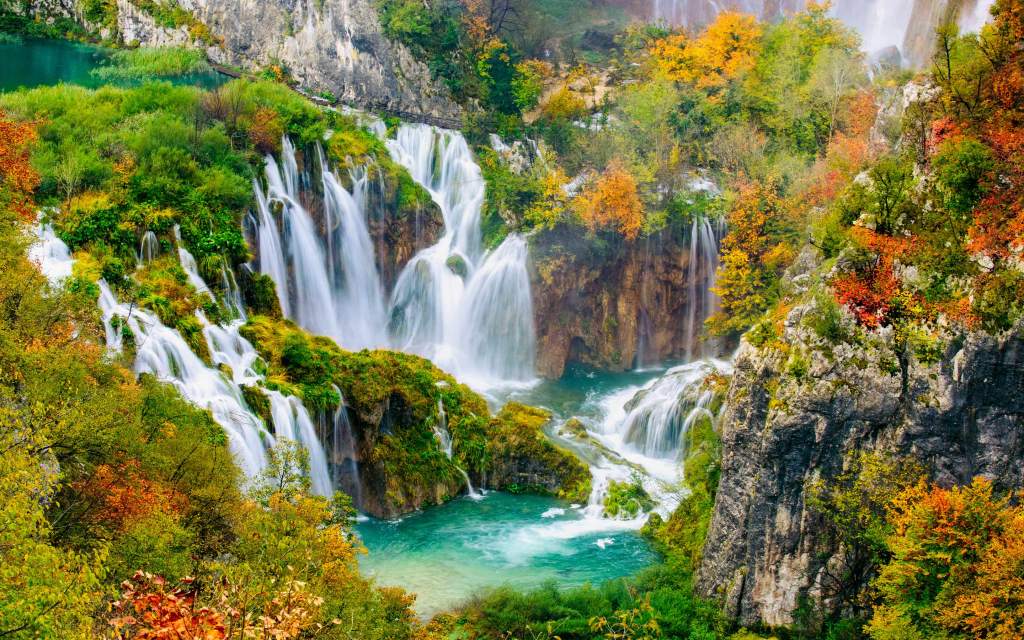
Waterfalls: A Journey into Nature’s Majestic Beauty
Nature has a way of captivating us, drawing us in and filling our souls with wonder. One such natural phenomenon that never fails to leave a lasting impression is the waterfall. With its sheer power, mesmerizing beauty, and soothing sounds, waterfalls have long been sources of inspiration for poets, painters, and adventurers alike. Beyond their aesthetic appeal, waterfalls offer a multitude of educational opportunities for alternative schooling and education programs.
Waterfalls are formed when rivers or streams flow over an edge of hard rock or cliff face. The force of the falling water erodes the softer rock underneath, creating a plunge pool at the base while shaping breathtaking cascades above it. They can be found in various sizes around the world – from small ones barely noticeable to towering giants that seem to touch the sky.
One key aspect that makes waterfalls so enchanting is their ability to teach children about geology. By observing different types of rocks exposed around waterfalls—such as sedimentary rocks like sandstone or limestone—young learners can gain insight into how these geological formations were created over millions of years through processes like erosion and weathering. They can learn about how water shapes our planet by studying how it interacts with different types of rock formations.
Further exploration will reveal that each waterfall has its unique characteristics—some boast wide veils spreading across cliffsides while others feature narrow chutes thundering down steep inclines. These variations provide excellent opportunities for students to study hydrology—the science behind bodies of water on Earth—and understand how factors like volume, velocity, and elevation impact the appearance and behavior of a waterfall.
Apart from geology and hydrology lessons provided by waterfalls themselves, exploring these natural wonders also opens doors to broader environmental studies. Waterfall ecosystems support diverse plant life due to increased humidity levels caused by constant mist generated by falling waters. Aspiring botanists can venture out to identify unique flora that thrives in these moist habitats. They can learn about the adaptations of plants to a high water environment and how they contribute to the overall ecosystem.
In addition, waterfalls often attract a wide range of wildlife, making them perfect for studying biodiversity. Students can observe different species of birds nesting nearby or flying through the spray, as well as amphibians and insects taking advantage of the abundant moisture. By documenting their observations and researching the behavior and habitats of these animals, learners can gain insights into animal adaptation strategies and ecological interconnectedness.
Furthermore, waterfalls offer opportunities for interdisciplinary learning. Artists can capture their beauty through various mediums such as painting or photography, fostering creative expression while appreciating nature’s wonders. Writers can find inspiration in the mesmerizing sounds and sights surrounding waterfalls—using descriptive language to create vivid narratives that transport readers directly into these breathtaking landscapes.
Beyond academic exploration, spending time around waterfalls provides an array of benefits for personal growth and well-being. The sight and sound of cascading waters have been proven to reduce stress levels, promoting relaxation and mental clarity. Waterfall hikes also encourage physical activity by challenging students to navigate uneven terrains while developing endurance and resilience.
Waterfall excursions also foster environmental stewardship among young learners by instilling a sense of awe for nature’s majesty. Being immersed in these serene settings amplifies one’s understanding of our planet’s fragility, emphasizing the importance of conservation efforts. Students may find themselves inspired to advocate for preserving natural spaces like waterfalls so future generations can continue benefiting from their beauty.
To make waterfall expeditions even more enriching experiences, educators could consider incorporating service-learning activities during field trips. Engaging students in tasks like litter clean-up or trail maintenance not only helps preserve these natural wonders but also cultivates a sense of responsibility towards our environment.
In conclusion, exploring waterfalls offers numerous educational opportunities beyond what traditional classrooms provide. From geology to hydrology, biodiversity to environmental stewardship, these natural wonders serve as outdoor classrooms that awaken curiosity and inspire a profound connection with nature. By incorporating waterfall excursions into alternative schooling and education programs, we can nurture well-rounded learners who appreciate the beauty of our planet while gaining valuable knowledge about its intricate systems. So let’s venture out, dive into nature’s majestic beauty, and let waterfalls be our teachers in this incredible journey of learning.
 Alternative Amie
Leave a comment