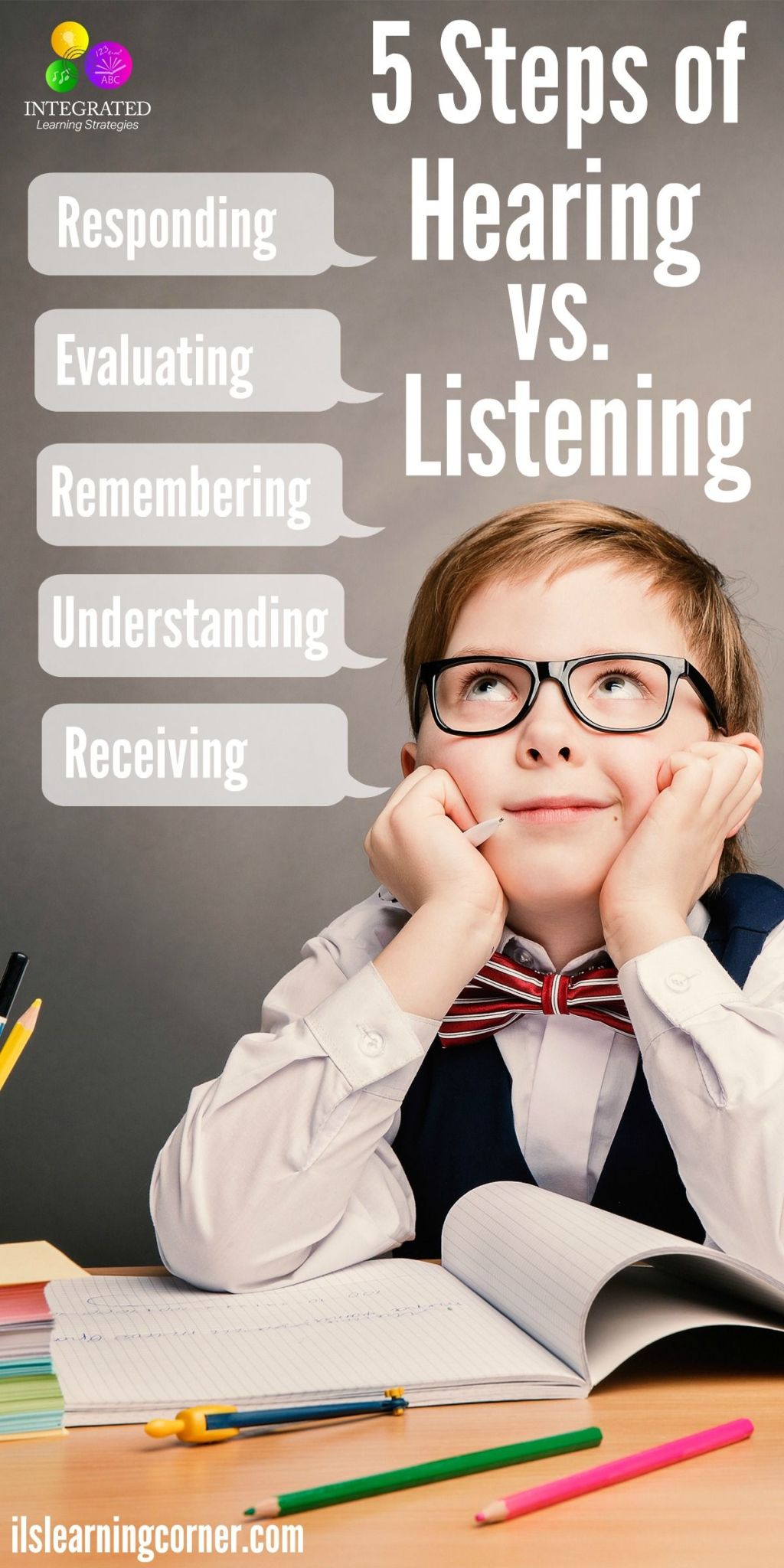
Auditory Learning: Unlocking the Power of Sound in Education
Panel Moderator: Welcome, everyone, to today’s panel discussion on auditory learning. Today, we have gathered a group of experts from the field of education to shed light on this unique and powerful learning style. Let’s dive right in!
Panelist 1: Thank you for having me here. Auditory learning refers to the process of acquiring knowledge through auditory stimuli such as sound or spoken words. It is an essential component of a holistic educational approach that recognizes and caters to different learning styles.
Panelist 2: Absolutely! Auditory learners thrive when information is presented orally. They are excellent listeners and prefer lectures, discussions, audiobooks, podcasts, or even engaging in conversations with their peers. These activities help them retain information effectively.
Panelist 3: I completely agree. One significant advantage of auditory learning is its ability to enhance comprehension and retention by tapping into our natural inclination towards oral communication since ancient times. When students actively listen to information being explained or discussed rather than just reading it silently, they can grasp concepts more easily.
Panelist 4: That’s true! Auditory learners often excel at expressing themselves verbally because they have been immersed in language-rich environments throughout their education. This strengthens their communication skills which are invaluable not only academically but also in real-world scenarios where effective verbal expression plays a crucial role.
Panelist 1: Additionally, incorporating various audio tools alongside traditional teaching methods can greatly benefit all students by catering to different learning preferences within the classroom setting. For instance, using recorded lectures or voice recordings as study aids helps reinforce important concepts for auditory learners while accommodating other student needs simultaneously.
Panelist 2: It’s worth mentioning that technology has opened up new avenues for auditory learners too – from online courses with interactive audio components to language-learning apps that focus on pronunciation practice and listening exercises. These resources empower students with the flexibility to learn at their own pace, fostering independent learning.
Panelist 3: Absolutely! However, it’s important to strike a balance and not solely rely on auditory techniques. Incorporating visual aids like diagrams, charts, and videos can enhance the learning experience for all students, including auditory learners. This multimodal approach allows them to reinforce what they hear with relevant visuals.
Panelist 4: That’s an excellent point. It is crucial for educators to create inclusive classrooms where different learning styles are acknowledged and addressed. By blending various approaches in their teaching methods, they ensure that students receive information through multiple channels, promoting deeper understanding and engagement.
Panel Moderator: Thank you all for sharing your valuable insights into auditory learning. It’s evident that incorporating auditory elements in education has numerous benefits for both auditory learners specifically and all students as a whole. As educators continue to explore innovative ways of teaching and embracing diverse learning styles, we can create more inclusive educational environments that cater to every student’s individual needs.
In conclusion, auditory learning plays a vital role in education by leveraging the power of sound as a tool for knowledge acquisition and retention. By recognizing its significance and integrating it into our teaching methodologies effectively alongside other modalities such as visual aids or kinesthetic activities – we empower students with diverse learning preferences to thrive academically while developing essential communication skills needed for life beyond the classroom walls.
 Alternative Amie
Leave a comment