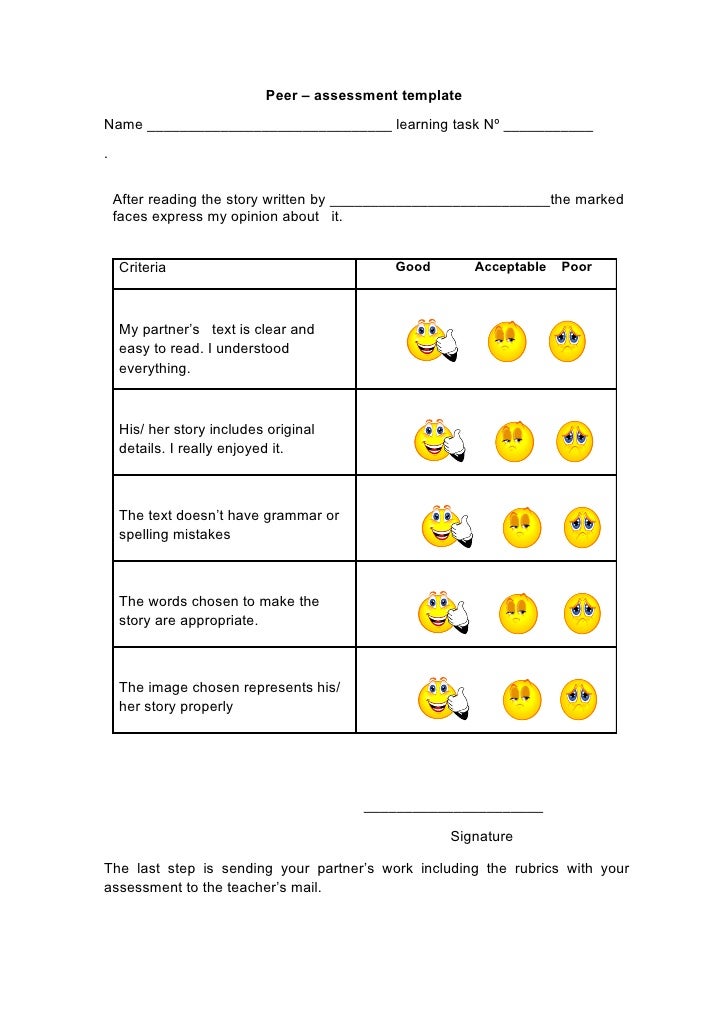
Peer assessment is a valuable tool in alternative schooling and education that encourages students to take an active role in evaluating their own learning and the learning of their peers. This approach not only fosters critical thinking skills but also promotes collaboration, self-reflection, and a deeper understanding of the subject matter. In this article, we will explore eight reasons why peer assessment is beneficial for students.
1. Promotes Active Learning: Peer assessment shifts the focus from passive listening to active engagement. By participating in the evaluation process, students become more attentive to details, reinforce their understanding of concepts, and actively contribute to classroom discussions.
2. Enhances Critical Thinking Skills: When students assess their peers’ work, they develop skills in analyzing information objectively and providing constructive feedback. This process helps them refine their own reasoning abilities while learning from others’ perspectives.
3. Encourages Collaboration: Through peer assessment activities, students learn how to work collaboratively by discussing ideas, sharing feedback, and supporting each other’s growth. They gain insights into different approaches to problem-solving and benefit from diverse viewpoints.
4. Builds Confidence: Assessing the work of others requires confidence in one’s own knowledge and abilities. As students engage in peer assessments regularly, they develop confidence in expressing their opinions constructively while respecting differing viewpoints.
5. Develops Communication Skills: Peer assessment provides opportunities for students to articulate their thoughts clearly when giving feedback or explaining concepts to others. Effective communication skills are essential for success both within academic settings and beyond.
6. Fosters Self-Reflection: Through assessing the work of their peers, students are encouraged to reflect on their own progress as well as identify areas for improvement. Regular self-reflection helps them set goals effectively and devise strategies for personal growth.
7. Increases Accountability: Peer assessments introduce an element of accountability among students as they become responsible not only for evaluating themselves but also for helping others improve through constructive criticism and support.
8. Provides a Holistic Assessment: Traditional methods of assessment often focus solely on exams or assignments graded by teachers. Peer assessment offers a more comprehensive evaluation as students consider multiple aspects such as creativity, problem-solving skills, and presentation abilities.
Incorporating peer assessment into alternative schooling and education fosters an environment where students actively participate in their own learning journey. It empowers them to take ownership of their education while developing valuable life skills such as critical thinking, collaboration, communication, and self-reflection. By embracing peer assessment, educators can create a dynamic classroom that nurtures holistic growth and prepares students for success in the real world.
 Alternative Amie
Leave a comment