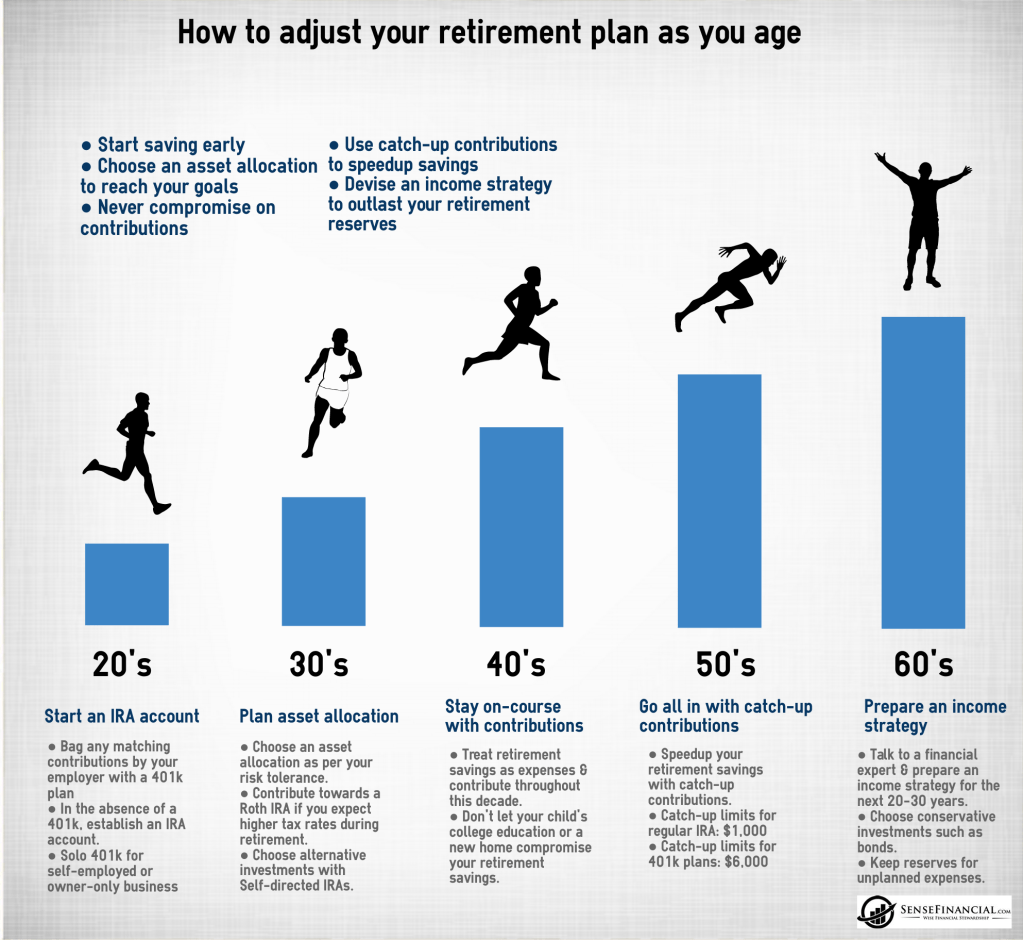
Retirement Planning: Q&A Guide
Q: Why is retirement planning important?
A: Retirement planning is crucial because it allows individuals to secure their financial future and maintain a comfortable lifestyle during their golden years. Without proper planning, one may find themselves struggling financially or unable to meet their desired retirement goals.
Q: When should I start planning for retirement?
A: It’s never too early to start planning for retirement. The earlier you begin, the more time you have to save and invest, which can significantly impact your financial well-being in the long run. Ideally, experts recommend starting as soon as you enter the workforce or receive your first paycheck.
Q: How much money do I need to retire comfortably?
A: The amount of money needed for a comfortable retirement varies from person to person based on individual circumstances and expectations. Factors such as living expenses, healthcare costs, and desired lifestyle all play a role. However, it is generally advised that retirees aim for replacing at least 70-80% of their pre-retirement income.
Q: What are some common mistakes people make when planning for retirement?
A: One of the most common mistakes is underestimating how much they will need during retirement. Failing to account for inflation or unexpected expenses can result in running out of funds later in life. Another mistake is relying solely on Social Security benefits without considering other sources of income like pensions or investments.
Q: How can I determine how much I will need for retirement?
A: Calculating how much money you’ll need requires careful consideration of various factors like expected expenses and lifestyle choices during retirement. A good starting point is assessing your current spending habits and estimating whether they will change post-retirement (e.g., mortgage payments). Additionally, consider potential healthcare costs and any travel plans you may have.
Q: Should I rely solely on Social Security benefits for my retirement income?
A: While Social Security benefits provide essential support during retirement, they are often not enough to cover all expenses. It is wise to have additional sources of income like personal savings, investments, or a pension plan. Diversifying your income streams will provide greater financial security and flexibility during your retirement years.
Q: What role do pensions play in retirement planning?
A: Pensions are employer-sponsored retirement plans that provide retirees with a regular income stream after they stop working. However, not all individuals have access to a pension plan. If you do have one available through your employer, it can be an excellent addition to your overall retirement strategy.
Q: How much should I save for retirement each month?
A: The amount you should save monthly depends on various factors such as your current age, desired retirement age, and expected lifestyle during retirement. As a general guideline, financial advisors suggest saving at least 10-15% of your annual income towards retirement throughout your working years.
Q: What investment options are suitable for growing my retirement savings?
A: There are several investment options available that can help grow your retirement savings over time. Some common choices include individual stocks and bonds, mutual funds, exchange-traded funds (ETFs), real estate investment trusts (REITs), and tax-advantaged accounts like IRAs or 401(k) plans.
Q: Is it possible to catch up on saving for retirement if I start late?
A: While starting early is ideal when it comes to saving for retirement due to the power of compound interest over time, it is still possible to catch up if you begin later in life. Individuals who start late may need to contribute higher percentages of their income towards savings or consider working longer before retiring.
Q: Are there any tax advantages associated with specific types of retirements accounts?
A: Yes! Many countries offer tax advantages for certain types of retirements accounts like Traditional IRAs or 401(k) plans where contributions are made with pre-tax dollars. This means you can reduce your taxable income in the present and defer taxes until retirement when you may be in a lower tax bracket.
Q: How often should I review my retirement plan?
A: It is recommended to review your retirement plan at least once a year or whenever significant life events occur (e.g., marriage, birth of a child, job change). Regularly assessing your progress allows you to make necessary adjustments and ensure that you’re on track to meet your retirement goals.
Q: Can I retire early if I want to?
A: Early retirement is possible for individuals who have diligently saved and invested over their working years. However, it requires careful planning, as retiring before the standard age may impact Social Security benefits and other sources of income. Consulting with a financial advisor can help determine if early retirement is feasible for your specific situation.
In conclusion, retirement planning is essential for securing financial stability during one’s golden years. Starting early, estimating future expenses accurately, diversifying income streams, and making informed investment decisions are key components of an effective retirement plan. Regular reviews of your strategy will allow for necessary adjustments along the way. Remember that everyone’s situation is unique; therefore, it’s vital to consult with professionals who can provide personalized advice based on your individual needs and goals.
 Alternative Amie
Leave a comment