Immersion Techniques: A Path to Alternative Schooling and Education
In today’s rapidly changing world, traditional approaches to education are being challenged by alternative schooling methods. One such method gaining popularity is immersion learning. Immersion techniques involve fully immersing students in a subject or environment, allowing them to learn through direct experience and active participation. This hands-on approach has been proven to be highly effective in fostering deep understanding, critical thinking skills, and overall student engagement.
There are various ways that immersion techniques can be implemented in alternative schooling settings. Let’s explore some of these techniques that can transform the way we educate our children.
1. Language Immersion:
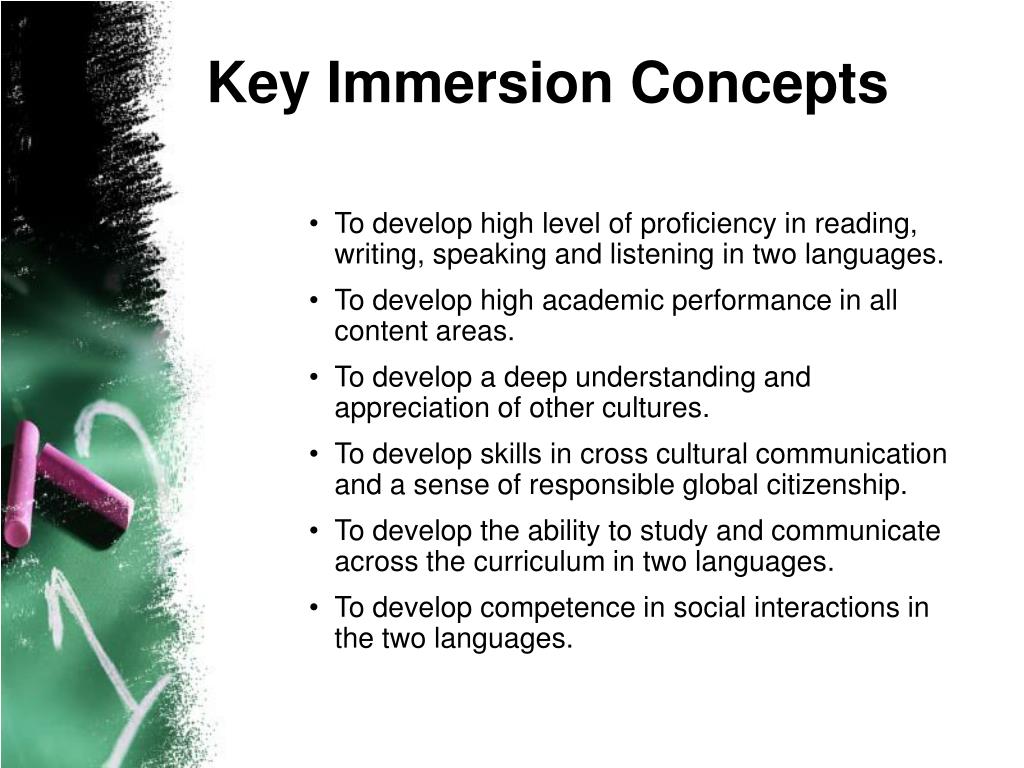
Language immersion programs have gained significant attention as an effective way for students to become bilingual or multilingual from an early age. In these programs, students are completely immersed in the target language throughout their school day, with all subjects taught exclusively in that language. By experiencing real-life situations where they must actively communicate and understand the language, students develop fluency naturally and quickly.
2. Cultural Immersion:
Cultural immersion programs aim to provide a holistic educational experience by integrating cultural aspects into the curriculum. Students not only learn about different cultures but also engage directly with them through activities like cooking traditional dishes, participating in cultural festivals, or even traveling abroad for immersive experiences. Through this hands-on approach, students gain a deep appreciation for diversity while honing their interpersonal skills.
3. Project-Based Learning:
Project-based learning (PBL) is a well-known technique used in many alternative schools around the world. Instead of focusing on rote memorization or lecturing, PBL encourages students to apply their knowledge through real-world projects that address authentic problems or challenges. This technique fosters creativity, critical thinking skills, collaboration abilities, and problem-solving capabilities – all crucial skills needed for success beyond the classroom.
4. Experiential Learning:
Experiential learning emphasizes direct experience as a primary method of education. By actively engaging students in hands-on activities, simulations, field trips, or internships related to their subjects of study, they acquire knowledge through direct involvement and reflection. This technique encourages students to take ownership of their learning process and allows them to develop practical skills that are transferable to real-life situations.
5. Outdoor Education:
Incorporating outdoor education into the curriculum is another way to immerse students in alternative schooling settings. By taking classes outside the traditional classroom environment, such as nature walks, camping trips, or environmental conservation projects, students can connect with the natural world and gain a deeper understanding of ecological systems while promoting physical activity and emotional well-being.
6. Virtual Reality (VR) Immersion:
With advancements in technology, virtual reality has become an invaluable tool for immersive learning experiences. VR immersions provide unique opportunities for students to explore places they wouldn’t otherwise have access to – be it historical landmarks or faraway planets. By stepping into these virtual worlds and interacting with them firsthand, students can enhance their understanding and engagement with various subjects.
7. Apprenticeships:
Apprenticeship programs offer an immersive experience by placing students directly in professional environments relevant to their interests or career goals. Rather than relying solely on textbooks or lectures, apprenticeships provide hands-on training under the guidance of experienced mentors within industries like healthcare, engineering, culinary arts, or theater production. Through this approach, students gain practical skills while building valuable connections within their chosen fields.
The benefits of immersion techniques go beyond academic achievements; they also foster personal growth and development among learners. Students who participate in immersive learning experiences often exhibit increased self-confidence due to their active participation and mastery over new skills.
While implementing immersion techniques may require additional resources and planning compared to traditional methods of education delivery; however, the long-term benefits justify the investment made by alternative schools seeking innovative approaches that better prepare future generations for success.
In conclusion, immersion techniques provide a dynamic and engaging way to educate students in alternative schooling settings. By fully immersing learners in subjects or environments, these techniques foster deep understanding, critical thinking skills, and overall student engagement. From language and cultural immersion to project-based learning and virtual reality experiences, there are numerous ways to incorporate immersion techniques into education. By adopting these innovative practices, we can ensure that our children are well-prepared for the challenges of the future while nurturing their curiosity and love for learning.
 Alternative Amie
Leave a comment