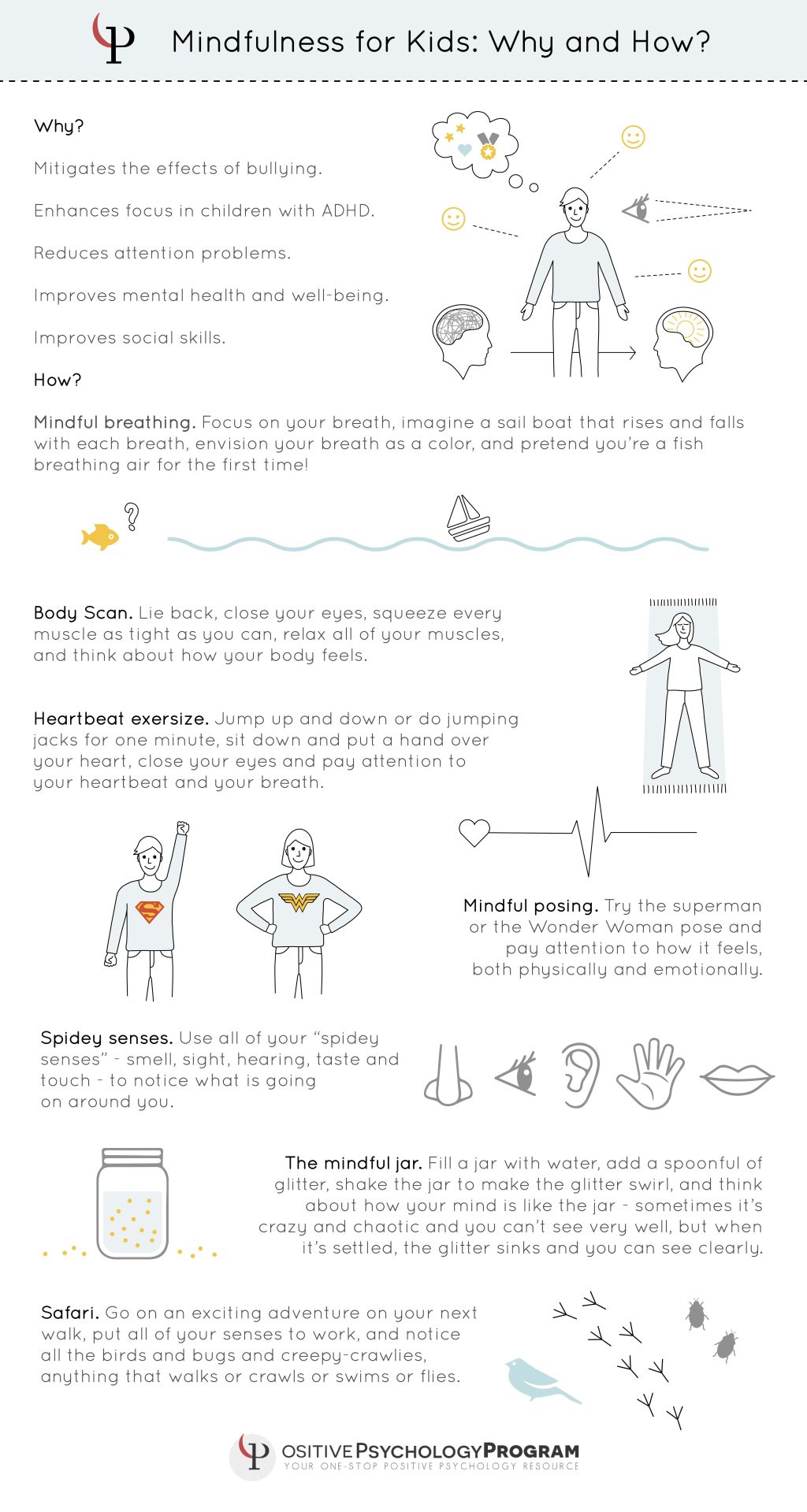
Mindfulness practices have become increasingly popular in recent years, as people seek ways to cope with stress and live more fulfilling lives. These techniques can be especially beneficial for students in alternative schooling and education settings, where a focus on holistic growth and personal development is often emphasized. Here are five mindfulness practices that can greatly enhance the well-being of students:
1. Breathing exercises: Deep breathing exercises are a simple yet powerful way to bring awareness to the present moment. Encourage students to take slow, deep breaths in through their nose, hold for a few seconds, and then exhale slowly through their mouth. This practice helps calm the mind and relaxes the body.
2. Mindful eating: Bring attention to what we eat by practicing mindful eating. Encourage students to savor each bite, paying attention to texture, taste, and smell. By doing so, they can cultivate gratitude towards food and develop healthier eating habits.
3. Nature walks: Take advantage of alternative schooling’s emphasis on outdoor learning by incorporating nature walks into the curriculum. Encourage students to observe their surroundings without judgment or analysis – simply being present in nature promotes relaxation and fosters a sense of connection.
4. Gratitude journaling: Practicing gratitude has been shown to improve mental well-being significantly. Incorporate regular gratitude journaling sessions into classroom activities or homework assignments where students reflect on three things they are grateful for each day.
5 Meditation: Introduce meditation as part of daily routines or during quiet times in class schedules. Guided meditations or silent sitting meditation help improve focus, reduce anxiety, increase self-awareness, and foster overall emotional resilience.
These mindfulness practices may seem simple but can have profound effects on student well-being and academic performance over time if practiced consistently.
By integrating these techniques into alternative schooling environments,
educators will be supporting not only academic achievement but also nurturing skills that promote lifelong wellness for their students
 Alternative Amie
Leave a comment