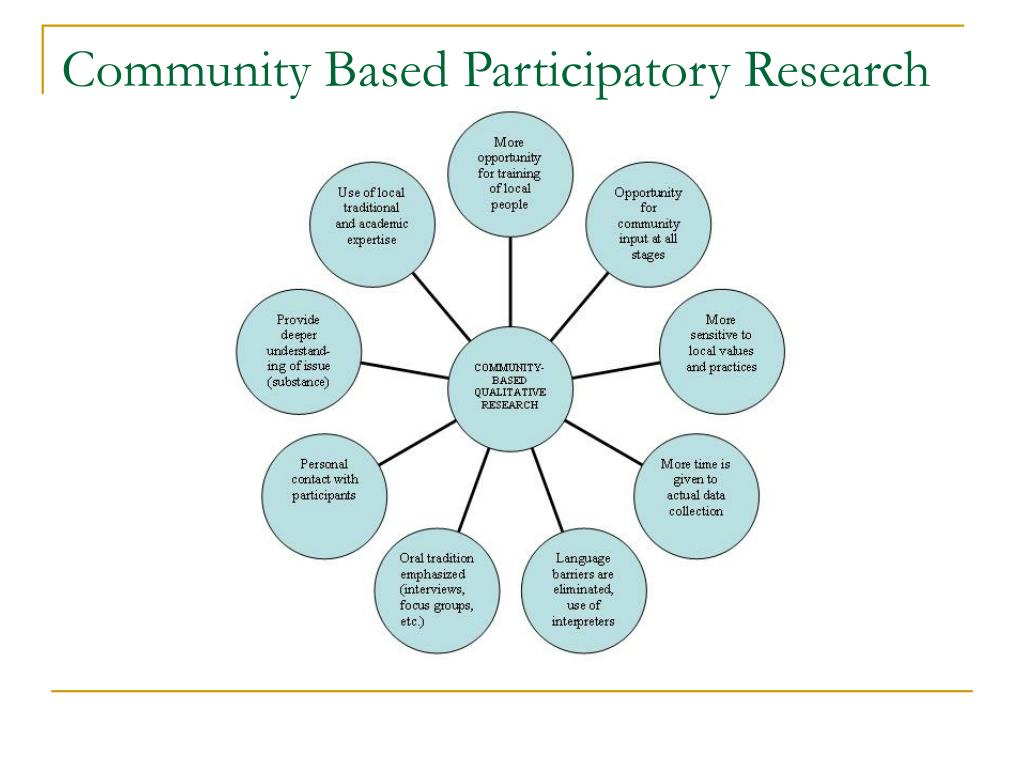
Community-based research projects are gaining popularity as a way to engage students in real-world issues and make a positive impact on their local communities. These projects go beyond the traditional classroom setting, allowing students to collaborate with community members, organizations, and businesses to address pressing social, environmental, or economic challenges.
One example of a community-based research project is the creation of a community garden. Students can work alongside local residents to design and build the garden space, learning about sustainable gardening practices along the way. This not only provides hands-on learning opportunities but also helps create a green space that benefits the entire community by providing fresh produce and fostering a sense of pride and ownership.
Another impactful project involves conducting surveys or interviews with community members to gather data on specific issues or concerns. For instance, students might investigate access to affordable housing or healthcare services in their neighborhood. By collecting this information and analyzing it, they can identify areas for improvement and present their findings to local policymakers or organizations working on these issues.
Environmental conservation is another important area where community-based research projects can have an impact. Students may collaborate with environmental nonprofits or government agencies to conduct studies on water quality monitoring, wildlife population assessments, or waste management strategies. Through these projects, students develop scientific inquiry skills while contributing valuable data that informs decision-making processes aimed at protecting natural resources.
In some cases, students might focus on addressing social justice issues through collaborative action research projects. This could involve partnering with marginalized groups within their community to tackle systemic inequalities such as racial discrimination or socioeconomic disparities. By engaging directly with affected individuals and advocating for change together, students gain empathy and understanding while actively working towards creating more equitable communities.
Community-based research projects also provide an opportunity for interdisciplinary learning across subjects like history, mathematics, language arts, and technology. For example, students studying history might delve into archival records or conduct oral history interviews with longtime residents to document changes in their community over time. In doing so, they develop critical thinking and research skills while preserving important local narratives.
Furthermore, community-based research projects foster a sense of civic engagement and social responsibility in students. By actively participating in addressing community needs, they gain a deeper understanding of their role as citizens and learn the importance of active participation in democratic processes. These experiences can shape their values and inspire them to continue making positive contributions to society throughout their lives.
In conclusion, community-based research projects offer a unique approach to education that empowers students to become active contributors to their communities. By working directly with community members, organizations, and businesses on real-world issues, students not only acquire valuable knowledge but also develop crucial skills such as teamwork, problem-solving, and critical thinking. These projects foster a sense of civic engagement and promote social responsibility among students while making a tangible impact on local communities.
 Alternative Amie
Leave a comment