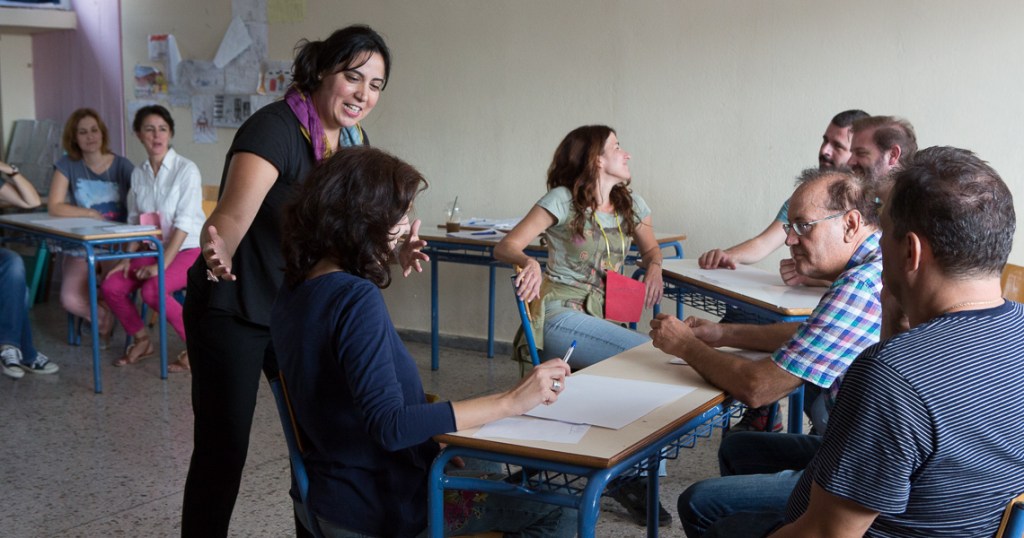
Teacher as Facilitator: Empowering Students in Alternative Education
In the realm of alternative schooling and education, there is a growing movement towards adopting a facilitative approach to teaching. Rather than being the central authority figure in the classroom, teachers are transforming into facilitators who guide and empower students on their learning journey. This shift not only enhances student engagement but also fosters critical thinking, creativity, and collaboration.
1. Creating an Open Learning Environment
In alternative education settings, teachers act as facilitators to create an open learning environment where students feel safe to express their thoughts and ideas. By encouraging dialogue and active participation, teachers promote independent thinking among students. This collaborative atmosphere nurtures diverse perspectives while fostering mutual respect and understanding.
2. Individualized Instruction
One of the key aspects of facilitating learning is recognizing that each student has unique strengths, weaknesses, interests, and learning styles. Teachers as facilitators take this into account by providing individualized instruction tailored to meet each student’s needs. They offer personalized feedback and support to help students navigate through challenges while building upon their strengths.
3. Fostering Self-Directed Learning
Facilitative teachers empower students by guiding them towards becoming self-directed learners who take ownership of their education. Instead of spoon-feeding information, they encourage curiosity and exploration among students through various hands-on activities and projects. Teachers facilitate discussions that encourage critical thinking skills by posing thought-provoking questions rather than simply providing answers.
4. Encouraging Active Participation
Gone are the days when classrooms were filled with passive listeners; today’s alternative education classrooms thrive on active participation from all students. Facilitators ensure that every student has a voice by incorporating group work, debates, presentations, role-playing exercises, or hands-on experiments into lesson plans.
5. Nurturing Creativity
Creativity plays a crucial role in alternative education environments where unconventional approaches are embraced wholeheartedly.
Facilitative teachers encourage students to think outside the box, explore new ideas, and challenge established norms. They create opportunities for students to express their creativity through art, music, drama, or innovative problem-solving tasks. By fostering creativity, facilitative teachers help students develop their unique talents and skills.
6. Promoting Collaborative Learning
Collaboration is a vital skill in today’s interconnected world. Facilitators acknowledge this by incorporating collaborative learning activities into their teaching methods. Group projects, discussions, and peer feedback sessions not only enhance understanding but also promote teamwork and communication skills among students.
7. Embracing Technology
In the digital age, technology has become an integral part of education. Facilitators harness its potential by integrating various technological tools and resources into the learning process. From online research to multimedia presentations or virtual field trips – technology provides endless possibilities for enhancing student engagement and understanding.
8. Continuous Assessment and Feedback
Facilitative teachers understand that assessment is not limited to traditional exams; instead, they focus on continuous assessment techniques that provide real-time feedback to both students and themselves.
Through formative assessments like quizzes, presentations, portfolios or self-reflection exercises – facilitators monitor student progress while identifying areas where additional support may be required.
9. Cultivating Emotional Intelligence
Alternative education environments prioritize holistic development rather than purely academic achievement.
Facilitative teachers pay attention to emotional intelligence by creating a supportive classroom climate where empathy,
self-awareness,
and social skills are nurtured alongside academic growth.
By acknowledging emotions in the learning process,
teachers help students develop resilience,
emotional regulation abilities,
and healthy relationships with others.
10. Lifelong Learning Mentality
Finally,
facilitators instill a lifelong love of learning among their students.
They act as role models who demonstrate intellectual curiosity,
professional growth pursuits,
and enthusiasm towards acquiring knowledge beyond the curriculum.
By doing so,
they inspire their students to embrace a mindset of continuous learning and personal growth.
In conclusion,
the role of a teacher as a facilitator in alternative education is to empower students,
foster critical thinking,
and inspire them to become lifelong learners.
By creating open learning environments, personalized instruction plans,
and encouraging active participation and collaboration,
facilitative teachers equip students with the skills necessary for success in the rapidly changing world.
 Alternative Amie
Leave a comment