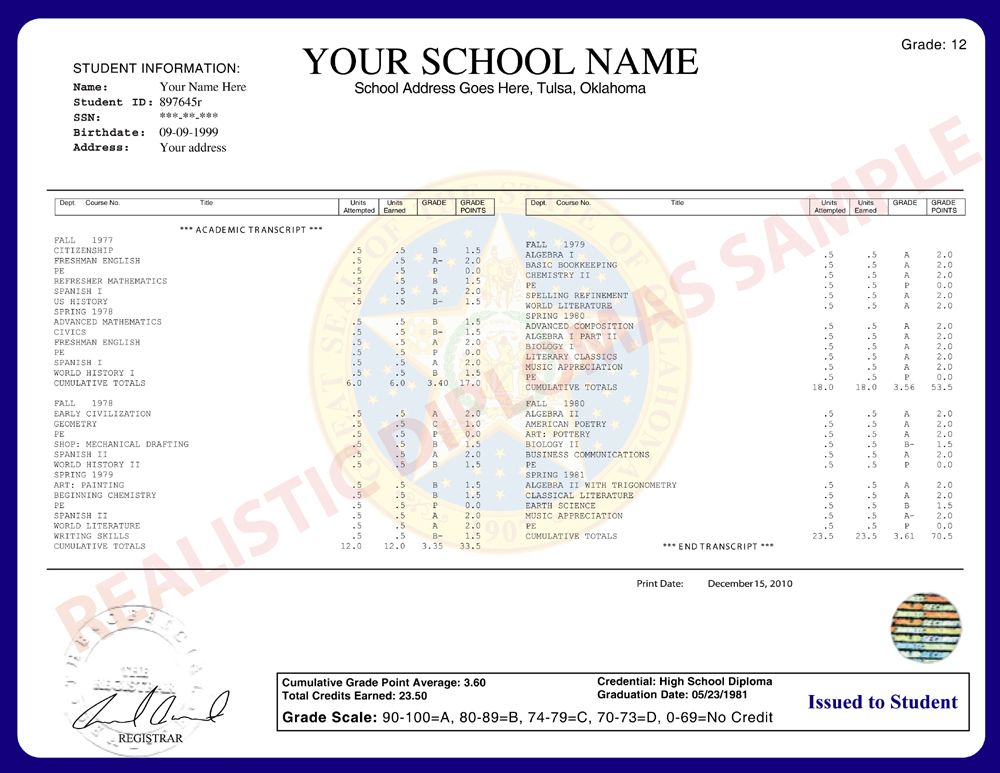
Building a Transcript for College Applications: A Holistic Approach to Alternative Education
Introduction:
👉 Check it out: Shop Holistic Health Book on Amazon
In the realm of alternative schooling and education, students often find themselves with unique experiences and educational paths that differ from the traditional model. As such, when it comes time to apply for college, these students may face challenges in presenting their diverse backgrounds and accomplishments effectively. However, by taking a holistic approach to building a transcript for college applications, alternative education students can showcase their personal growth, passion-driven projects, experiential learning opportunities, and demonstrate their readiness to succeed in higher education.
👉 Check it out: Shop Essential Oils on Amazon
1. Emphasize Personal Growth:
One of the advantages of alternative education is its focus on personalized learning and individual development. Rather than solely relying on standardized tests or grades alone, alternative learners can highlight their personal growth throughout high school. Colleges value self-motivation and initiative; therefore, including narratives that illustrate an applicant’s journey towards self-discovery can be highly compelling.
For instance, essays or portfolio reflections could discuss how participating in non-traditional educational methods fostered independence or allowed them to explore subjects that ignited curiosity. By emphasizing personal growth within the transcript itself or through additional application materials like recommendation letters or essays, applicants can provide admissions officers with valuable insights into their character.
2. Showcase Passion-Driven Projects:
Alternative education encourages project-based learning where students delve deeply into areas they are passionate about. These projects often go beyond standard curriculum requirements and enable students to develop expertise in specific fields while honing essential skills such as critical thinking, problem-solving abilities, creativity, collaboration skills.
To demonstrate this aspect effectively within a transcript for college applications requires clear documentation of these projects along with any relevant outcomes achieved. Students should include detailed descriptions of each project highlighting research conducted, methodologies employed during implementation stages as well as final products created (e.g., reports/papers/prototypes). Additionally,
3. Highlight Experiential Learning Opportunities:
Alternative schooling often offers unique opportunities for experiential learning, such as internships, apprenticeships, or community service. These experiences provide valuable real-world context and can be instrumental in shaping an applicant’s educational journey.
Within the transcript, students should dedicate a section to detail their involvement in these experiential learning opportunities. This can include descriptions of the organization they worked with, the nature of their responsibilities, and any significant accomplishments or skills developed during these experiences. By showcasing how alternative education integrates practical application with theoretical knowledge, applicants can demonstrate their ability to navigate real-world scenarios effectively.
4. Incorporate Standardized Test Scores:
While alternative education places less emphasis on standardized testing than traditional schooling models do, it is still important to include test scores within a college application transcript. SAT or ACT scores provide admissions officers with a benchmark for evaluating an applicant’s academic abilities relative to other candidates.
However, it is crucial to remember that standardized test scores should not overshadow the other strengths and achievements gained through alternative education. Rather than relying solely on test scores as a measure of competency, students should present them as just one facet of their overall profile.
5. Utilize Recommendation Letters:
Recommendation letters are invaluable tools for highlighting an applicant’s character and potential beyond what appears on paper alone. Alternative education often fosters close mentor-student relationships which make obtaining strong recommendation letters more accessible.
Students applying from alternative education backgrounds should seek recommendations from teachers who have witnessed their growth firsthand or mentors who have guided them in passion-driven projects or experiential learning activities. These letters can shed light on qualities like adaptability, self-motivation, resilience along with intellectual capabilities which may not be evident through grades alone.
Conclusion:
Building a comprehensive transcript for college applications requires strategic planning and thoughtful curation of academic achievements alongside personal growth milestones attained through unique educational paths typical of alternative schooling environments. By emphasizing personal growth narratives within essays/portfolio reflections while showcasing passion-driven projects and experiential learning opportunities, applicants can effectively demonstrate their readiness for higher education. Incorporating standardized test scores and strong recommendation letters further strengthens the application package, providing admissions officers with a holistic understanding of an alternative education student’s capabilities. Ultimately, by presenting a well-rounded transcript, these students can confidently showcase their diverse backgrounds and stand out in the competitive college admissions process.
🛒 Recommended Products
As an Amazon Associate, we earn from qualifying purchases.
Disclosure: This post contains Amazon affiliate links. As an Amazon Associate, we earn from qualifying purchases at no additional cost to you.
 Alternative Amie
Leave a comment