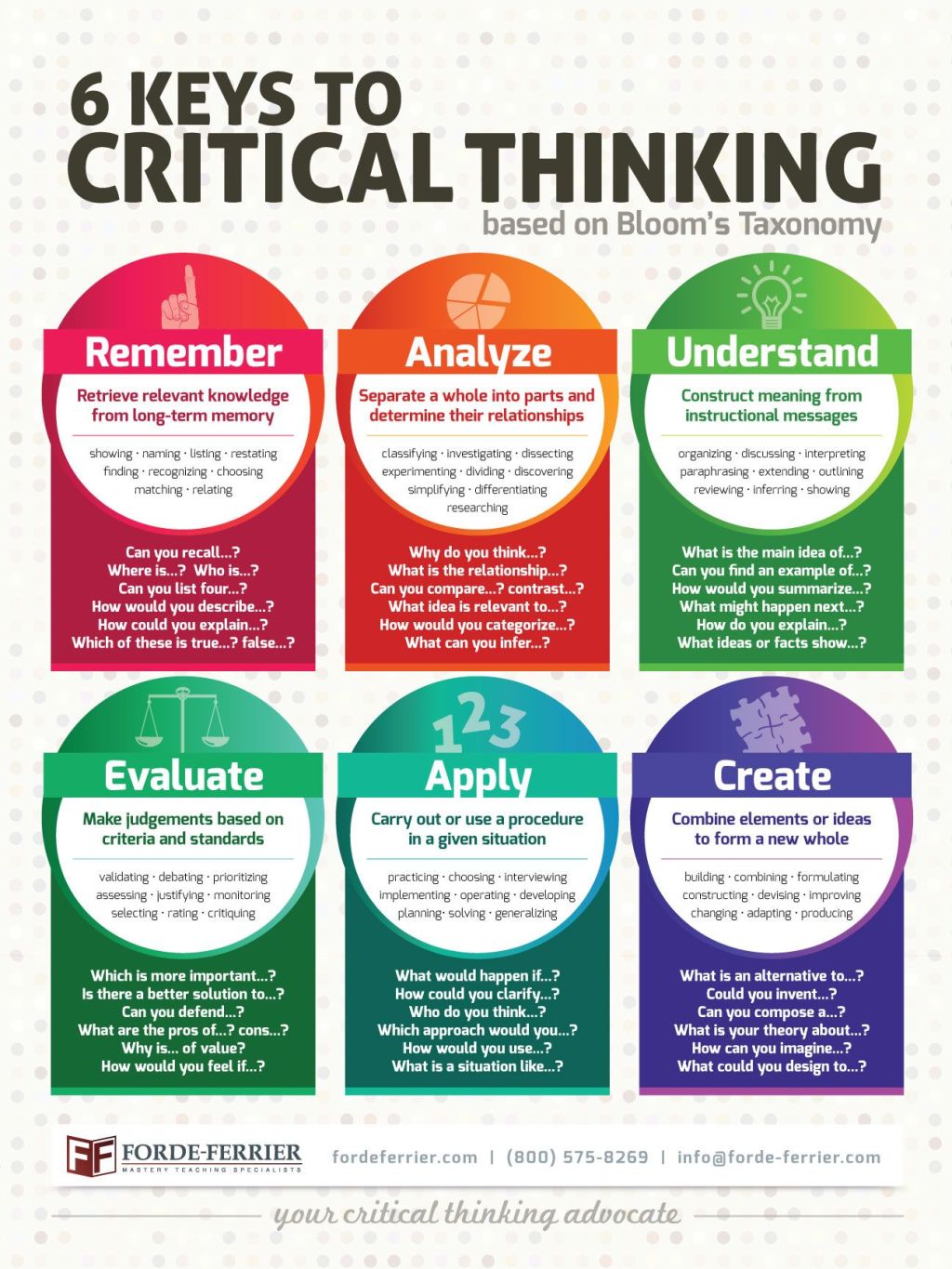
Critical thinking skills development is a crucial aspect of alternative schooling and education. It equips students with the ability to analyze, evaluate, and interpret information effectively. In an ever-changing world that demands constant adaptation, critical thinking skills are more important than ever.
One of the key benefits of developing critical thinking skills is the enhancement of problem-solving abilities. Students who possess strong critical thinking skills can approach problems from multiple angles, identify potential solutions, and make informed decisions. This skill set prepares them to navigate real-world challenges confidently.
Furthermore, critical thinking fosters creativity and innovation. By encouraging students to question assumptions and think outside the box, alternative schools provide an environment where new ideas flourish. These schools prioritize open-ended discussions and engage students in collaborative projects that require innovative problem-solving approaches.
Another advantage of cultivating critical thinking skills is improved communication. Alternative education encourages active participation in group activities such as debates and presentations. Students learn how to articulate their thoughts clearly, listen actively to others’ perspectives, and constructively critique arguments – all essential components of effective communication.
Moreover, critical thinkers tend to be more independent learners. They know how to research thoroughly, analyze sources critically for credibility and bias, discern fact from opinion or propaganda, and draw evidence-based conclusions. These skills empower them to become lifelong learners who can adapt quickly in our rapidly changing society.
Alternative schooling also places great emphasis on fostering empathy through critical thinking practices. By examining different viewpoints objectively and respectfully engaging with diverse perspectives during debates or discussions, students develop a broader understanding of society’s complexities. This helps create compassionate individuals who are capable of empathizing with others’ experiences.
In conclusion, alternative schooling plays a vital role in nurturing critical thinking skills among students by emphasizing problem-solving abilities, creativity and innovation, effective communication techniques, independent learning habits,and empathy-building practices.These skill sets ensure that alternative education equips students not only for academic success but also for personal growth as engaged citizens in an ever-evolving world.
 Alternative Amie
Leave a comment