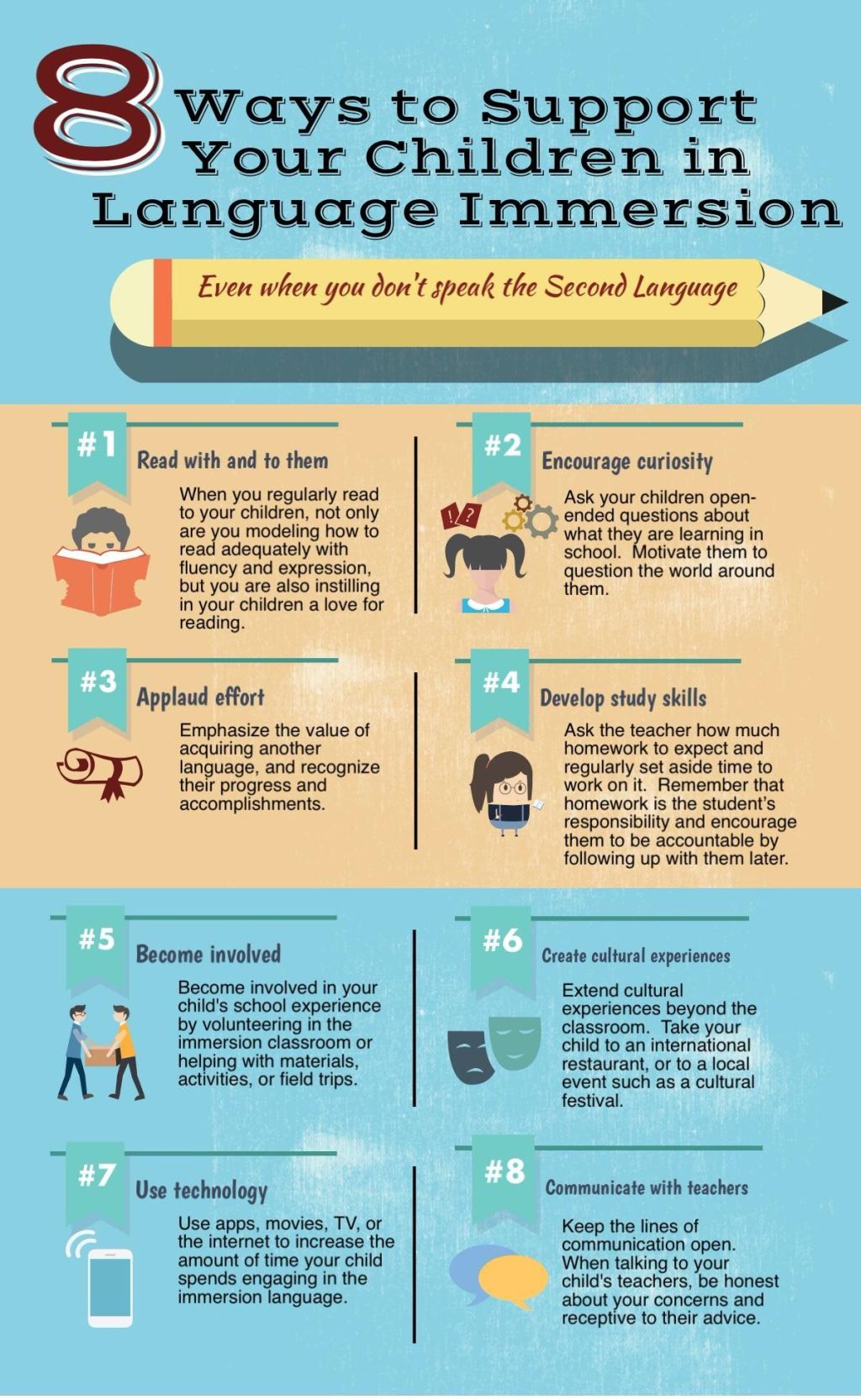
Language Immersion Programs: Unlocking the Power of Multilingualism
In a rapidly globalizing world, being able to communicate in multiple languages is a valuable skill. Language immersion programs offer a unique and effective approach to language learning by providing students with an immersive experience in the target language. These programs go beyond traditional classroom instruction, allowing learners to fully immerse themselves in the culture and linguistic environment of the language they are studying.
What is Language Immersion?
Language immersion programs aim to create an authentic and natural learning environment where students are surrounded by native speakers of the target language. This approach helps learners develop their language skills through constant exposure, encouraging them to think and communicate in the target language from day one.
Types of Language Immersion Programs
There are various types of language immersion programs available, catering to different age groups and proficiency levels. Here are some popular options:
1. Early Childhood Language Immersion: Designed for preschoolers or elementary school children, these programs introduce young learners to a second or foreign language at an early age when their brains are especially receptive to acquiring new languages.
2. Summer Camps and Exchange Programs: These short-term immersion experiences often take place during summer vacations or school breaks. Students have the opportunity to live with host families or attend specialized camps while engaging in daily activities conducted entirely in the target language.
3. High School Study Abroad: Many high schools offer study abroad programs that allow students to spend a semester or academic year living with host families and attending local schools where classes are conducted primarily in the target language.
4. University Exchange Programs: College-level exchange programs provide students with opportunities for full cultural immersion while attending university courses taught in their chosen foreign language.
Benefits of Language Immersion Programs
The benefits of participating in a language immersion program extend far beyond linguistic proficiency alone:
1. Rapid Language Acquisition: Living and learning within an immersive environment accelerates vocabulary acquisition, improves pronunciation, enhances listening skills, and builds fluency.
2. Cultural Understanding: Immersion programs expose students to the customs, traditions, and values of the target language’s culture, fostering cultural sensitivity and global awareness.
3. Cognitive Development: Language immersion enhances critical thinking skills, memory retention, problem-solving abilities, and overall cognitive function.
4. Enhanced Career Prospects: In an increasingly interconnected world, multilingual individuals have a competitive edge in the job market. Language proficiency opens doors to international career opportunities.
Choosing the Right Program
When selecting a language immersion program, it is crucial to consider factors such as program duration, location, cost, curriculum quality, and support services provided by the organization or institution offering the program. Researching reviews from previous participants can also provide valuable insights into the effectiveness of a particular program.
In conclusion, language immersion programs offer an engaging and effective way to learn languages by creating an immersive environment where learners are fully immersed in their chosen language. These programs not only foster linguistic proficiency but also promote intercultural competence and cognitive development. Whether you’re considering an early childhood program or seeking a university exchange opportunity abroad as part of your education journey – embracing language immersion will undoubtedly unlock endless possibilities for personal growth and success in our diverse world.
 Alternative Amie
Leave a comment