In today’s fast-paced and competitive world, the traditional education system often falls short in meeting the diverse needs of students. This has led to a rise in alternative approaches to education that focus on nurturing not only academic skills but also emotional, physical, and social development. One such approach is holistic education.
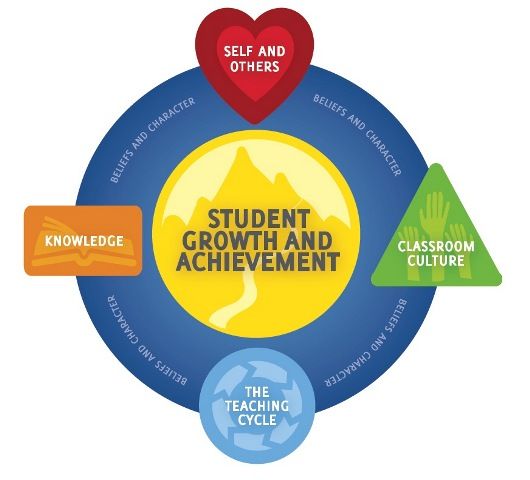
Holistic education takes into account the whole child – their mind, body, emotions, and spirit – and aims to provide a well-rounded learning experience. It recognizes that each child is unique with different strengths, weaknesses, interests, and learning styles. By addressing all aspects of a student’s being, holistic education aims to create an environment where every child can thrive.
One key aspect of holistic education is its emphasis on experiential learning. Instead of simply memorizing facts and figures from textbooks, students are encouraged to actively engage with the material through hands-on experiences. This could involve field trips to museums or nature reserves where students can explore concepts firsthand or participating in group projects that require critical thinking and problem-solving skills.
Another important component of holistic education is the integration of arts into the curriculum. Arts-based activities such as painting, music, drama, or dance not only foster creativity but also help develop self-expression and communication skills. These artistic endeavors provide an outlet for students to explore their emotions and thoughts in a safe and supportive environment.
Physical health is also given significant importance in a holistic approach to education. Regular exercise and outdoor activities are incorporated into daily routines to promote physical fitness as well as overall wellbeing. Whether it’s through organized sports teams or yoga classes, these activities help children develop healthy habits while reducing stress levels.
Furthermore, social-emotional development plays a crucial role in holistic education. Students are taught empathy, compassion, conflict resolution skills, and how to build positive relationships with others. The focus on social-emotional learning helps create a nurturing classroom environment where students feel supported by both teachers and peers.
A key element that sets holistic education apart from traditional schooling is the individualized approach to learning. Rather than following a one-size-fits-all curriculum, teachers in holistic education tailor their instruction to meet the specific needs and interests of each student. This personalized approach ensures that students are actively engaged in their own learning journey and can explore topics they are passionate about.
In addition to academic subjects, holistic education also places a strong emphasis on character development. Ethics, values, and moral reasoning are integrated into the curriculum, providing students with a solid foundation for making ethical decisions throughout their lives. By instilling these principles early on, holistic education aims to create responsible citizens who contribute positively to society.
Holistic schools often have smaller class sizes compared to traditional schools, allowing for more individual attention and fostering stronger relationships between teachers and students. This supportive environment enables teachers to better understand each student’s strengths, weaknesses, and learning styles so they can provide tailored guidance.
Parents also play an integral role in holistic education. They are seen as partners in their child’s educational journey rather than mere observers or occasional participants. Regular communication between parents and teachers is encouraged so that both parties can work together towards the best interest of the child.
In conclusion, holistic education offers a refreshing alternative to the conventional model of schooling by prioritizing the overall development of students – academically, emotionally, physically, and socially. Through experiential learning opportunities, integration of arts into the curriculum, focus on physical health and social-emotional development, personalized instruction methods tailored to individual needs, character building exercises along with involving parents as partners; this approach aims to nurture well-rounded individuals prepared for success in all aspects of life beyond academia. As our understanding of what constitutes effective education evolves over time; it is important that we continue exploring alternative approaches like holistic education that empower learners holistically while addressing their unique strengths and challenges
 Alternative Amie
Leave a comment