Implementing Flexible Seating in the Classroom: A New Approach to Enhancing Learning
As education continues to evolve, teachers are exploring innovative ways to engage and motivate their students. One approach gaining popularity is implementing flexible seating in the classroom. Gone are the days of rigid rows of desks; instead, educators are embracing an environment that promotes movement, collaboration, and individualized learning.
What is Flexible Seating?
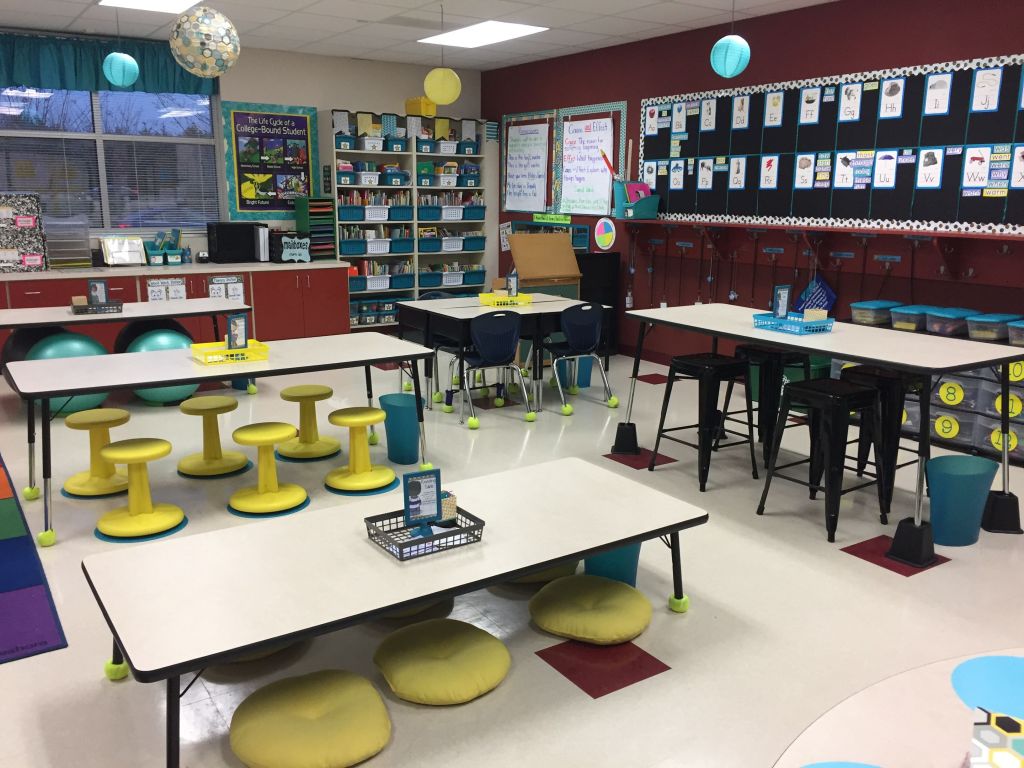
Flexible seating refers to a classroom arrangement where traditional desks and chairs are replaced with a variety of seating options. These alternatives include bean bags, exercise balls, standing desks, floor cushions, stools, and even couches. The goal is to provide students with choices that allow them to find a comfortable space for learning.
Why Implement Flexible Seating?
1. Increased Engagement: Traditional classroom setups often lead to passive learning experiences. By offering different seating options, students become more engaged as they have control over their physical space. They can choose where they sit based on their needs or preferences at any given moment.
2. Improved Focus: Contrary to what one might think, providing learners with options actually helps improve focus and attention span during lessons. When students feel comfortable physically and mentally in their environment, distractions decrease significantly.
3. Enhanced Collaboration: Collaborative work has become an essential aspect of modern education. With flexible seating arrangements in place, group projects become more dynamic and fluid as students can easily move around the room or gather in small clusters without limitations imposed by fixed furniture.
4. Individualized Learning: Every student learns differently – some prefer working alone while others thrive in group settings. Flexible seating allows for personalized learning experiences by accommodating various styles and preferences within one classroom setting.
5.Cultivating Responsibility: In a flexible seating environment, children learn how to make responsible decisions about where they sit best suited for their own personal productivity without relying solely on teacher guidance or instruction.
How Can Teachers Successfully Implement Flexible Seating?
While transitioning from traditional seating to flexible seating may seem daunting, there are several steps that teachers can take to ensure a smooth implementation process:
1. Educate Students: Before introducing flexible seating, it is crucial to educate students about the purpose and expectations of this new classroom arrangement. Explain why it is important for them to make thoughtful decisions about their seating choices.
2. Establish Clear Guidelines: Set clear guidelines regarding how students should choose their seats and how they should behave in the different seating areas. Reinforce the idea that flexibility comes with responsibility and respect for others’ learning spaces.
3. Provide Seating Options: Begin by offering a range of options based on the available space and resources. Incorporate a mix of different types of furniture, such as bean bags, standing desks, or floor cushions, allowing students to explore what works best for them.
4. Create Flexible Learning Zones: Divide your classroom into various flexible learning zones based on activities or preferences (e.g., quiet zone, group collaboration area). This helps students associate certain areas with specific tasks and establishes an organized environment.
5.Encourage Movement Breaks: Recognize that children have varying attention spans and energy levels throughout the day. Encourage movement breaks where students can stretch or choose alternative seating arrangements if needed.
6.Evaluate Regularly: Assessing the effectiveness of flexible seating is essential. Observe how well it supports student engagement and productivity during lessons while also gathering feedback from both students and parents to make necessary adjustments along the way.
Challenges and Solutions
Implementing flexible seating does come with its challenges; however, proactive solutions can help address these obstacles:
1.Managing Noise Levels: Flexible seating arrangements may increase noise levels initially due to increased interaction among students. To address this challenge, establish noise guidelines early on while teaching strategies for respectful communication within a collaborative environment.
2.Space Constraints: Limited space might be a concern when implementing flexible seating in cramped classrooms or schools with limited resources. Teachers can find creative solutions by rearranging the existing furniture or seeking donations from parents and community members.
3. Personal Ownership: Students may struggle initially with decision-making regarding their seating choices. To encourage personal ownership, provide students with opportunities to reflect on their preferences and understand how different seating options impact their learning experience.
4.Supporting Diverse Learning Needs: Some students may require additional support or accommodations due to physical disabilities or attention difficulties. It is essential for teachers to be flexible in providing alternative seating options tailored to individual needs.
The Benefits of Flexible Seating are Worth the Effort
Implementing flexible seating in the classroom requires thoughtful planning, clear guidelines, and ongoing evaluation. However, when done right, this approach can have a profound impact on student engagement, collaboration, and individualized learning experiences. By providing students with choice and autonomy over their physical space, educators open up a world of possibilities that foster creativity, critical thinking skills, and a love for lifelong learning.
 Alternative Amie
Leave a comment